
Home Blog Page 24

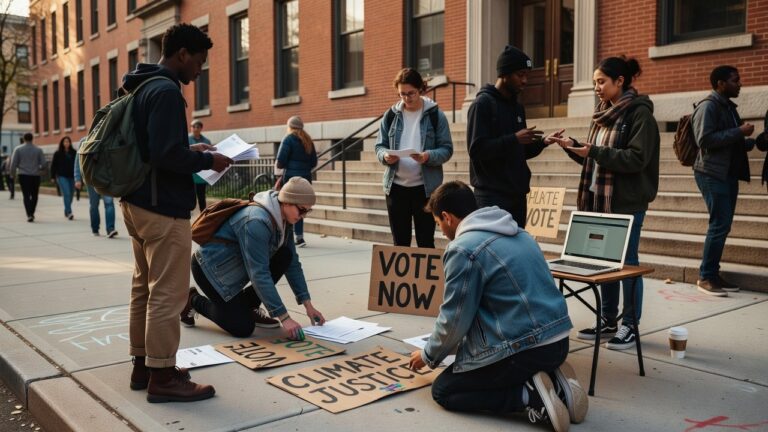
How to Engage Youth in Political Activism

0
How to Engage Youth in Political Activism

Engaging younger voters has become a structural priority for Democratic leadership on Capitol Hill, particularly as committees work to advance legislation on climate, equity, and access to care. Having covered these dynamics for a decade, the procedural emphasis on building durable coalitions with Gen Z and Millennial activists stands out because it directly feeds into sustained support for measures that must clear both chambers and withstand reconciliation procedures.

Youth-led initiatives have already altered the trajectory of several priority bills. The Sunrise Movement’s pressure campaigns and the March for Our Lives advocacy, for instance, shifted the Overton window inside the House Natural Resources and Judiciary Committees, prompting more ambitious text on emissions reductions and background-check expansions. Understanding the legislative history behind these issues goes back to the post-2018 midterm influx of younger members who brought constituent stories on student debt and voting access into markup sessions.

Effective outreach starts by mapping policy outcomes to lived experience. When Democratic committee staff frame expansions of the child tax credit or reproductive-health protections through the lens of economic security, turnout models improve in districts that flipped during the last two cycles. Local party workshops that feature young speakers testifying about their own loan burdens have mirrored the format used in Senate HELP Committee hearings, turning abstract statutory language into concrete case studies.

Digital platforms now function as an extension of traditional whip operations. Short-form content breaking down provisions of the Inflation Reduction Act or the stalled voting-rights package has measurably lifted first-time voter participation, much as targeted member-to-constituency communications once moved undecided votes in the House. Progressive caucus offices and aligned outside groups coordinate content calendars that parallel the legislative calendar, releasing explainers ahead of key floor votes rather than after.

One often overlooked dimension of youth engagement involves recognizing the diversity of generational experience itself. While Gen Z broadly shares concerns about climate and economic opportunity, lived experiences differ significantly along lines of geography, race, and socioeconomic status. Rural youth face distinct barriers to political participation compared with their urban peers—limited broadband access, fewer local Democratic infrastructure points, and different economic pressures around agricultural policy and rural healthcare. Successful outreach acknowledges these divisions rather than treating youth as a monolithic bloc. Democratic organizers working in rural counties have found success by connecting climate investments to job creation in renewable energy, rather than leading with environmental messaging alone. Similarly, framing student-debt relief through the lens of generational wealth-building resonates more powerfully in communities where first-generation college attendance is concentrated.

The role of social media in youth mobilization extends beyond simple content distribution. Platform algorithms amplify certain messages over others, and savvy Democratic digital teams now coordinate across TikTok, Instagram Reels, and YouTube Shorts with the same sophistication once reserved for television ad buys. A viral TikTok explainer on voting registration requirements can reach more young people in a single week than a year of traditional door-to-door canvassing. However, this digital-first approach carries risks. Misinformation spreads equally rapidly, and youth voters report declining trust in institutions—including Democratic Party leadership—when digital engagement feels inauthentic or algorithmically manipulated rather than genuinely grassroots.

Sustained engagement also requires the institutional infrastructure long familiar to Capitol Hill staff: mentorship pipelines and field programs. Pairing veteran organizers with new activists transmits knowledge of coalition-building and appropriations strategy that cannot be conveyed through social media alone. Voter-registration drives centered on college campuses and urban precincts replicate the ground-game architecture that produced the roughly 55 percent turnout among 18-to-29-year-olds in 2020—the highest rate for that cohort in decades and a decisive factor in several Democratic holds.

The financial dimension of youth activism deserves greater scrutiny. Young people often volunteer countless hours but lack the economic stability to sustain political engagement without compensation. Progressive organizations that have shifted toward paying organizers—even modest stipends for college students leading campus drives or neighborhood canvassers—have seen measurable improvements in retention and program quality. This reflects a broader recognition that equity commitments cannot stop at policy positions; they must extend to how movement infrastructure itself compensates labor, particularly from young people of color who have historically subsidized progressive campaigns through unpaid or underpaid work.

Barriers such as scheduling conflicts and transportation are addressed through the same accommodations used in congressional district offices: virtual participation options, childcare at events, and deliberate inclusion of voices from historically Black colleges and LGBTQ+ centers. These steps mirror the outreach protocols developed by the Congressional Black Caucus and the Congressional LGBTQ+ Equality Caucus during recent redistricting cycles. Yet moving beyond accommodation requires proactive recruitment strategies. Many young activists of color report feeling tokenized in overwhelmingly white Democratic spaces. Successful programs have moved toward building independent youth chapters within communities of color, supporting young leaders to organize their own peers rather than integrating them into existing structures designed without their input.

The relationship between electoral work and issue-based activism deserves attention as well. While some youth gravitate toward legislative pressure campaigns and direct action—protest, civil disobedience, and public testimony—others prioritize electoral organizing and candidate support. Both paths feed Democratic power, but tensions sometimes arise when climate activists perceive electoral teams as insufficiently aggressive on emissions, or when voting-rights organizers feel that campaign resources flow disproportionately toward swing states while voter suppression issues in safely Democratic areas receive less attention. Bridging these divides requires genuine dialogue and power-sharing, not directives from party leadership.

Data from the last two election cycles underscore the payoff. Youth activists drove support for state ballot measures raising minimum wages and reforming criminal-justice statutes. Surveys show roughly 70 percent of Gen Z voters rank climate action as a top concern, aligning with Democratic priorities reflected in the Green New Deal framework and subsequent committee-reported legislation. Peer-to-peer texting programs have delivered turnout lifts of 4 to 8 percent compared with older contact methods. Young women of color now constitute the fastest-growing segment of Democratic primary participants, and campus petition drives on student-debt relief have fed directly into executive-branch policy deliberations.

Looking forward, the retention of young activists beyond a single election cycle remains an open challenge. High-engagement years—presidential cycles with major ballot measures—naturally produce spikes in participation, but sustaining those numbers during midterms and local elections requires deeper investment in movement culture and long-term career pathways. States that have built robust training institutes for young organizers, offering certification in voter contact, data analysis, and fundraising, report higher retention rates and more sophisticated campaign infrastructure than those relying on transactional campaign employment.

The cumulative effect of these layered tactics—digital amplification, mentorship structures, targeted barrier removal, and genuine power-sharing with young people—reinforces the Democratic coalition’s capacity to sustain legislative momentum on equity, climate, and reproductive-rights measures well into future Congresses. Success requires viewing youth engagement not as a temporary mobilization strategy ahead of critical elections, but as foundational to the party’s institutional evolution and governing capacity.


Sources

How to Contact Your Representatives Effectively

How to Contact Your Representatives Effectively

Effective constituent outreach to members of Congress and state legislators can shape legislative priorities in measurable ways, whether the focus is on healthcare system expansions like those seen in Affordable Care Act implementation or adjustments to environmental regulations. The data behind claims of influence often hinges on volume and specificity rather than partisan alignment alone.

As someone who worked in policy analysis, the mechanism here is straightforward: congressional staff routinely log contacts by issue and tally them for member briefings, creating a feedback loop that feeds into committee markups and floor votes.

Identifying Representatives Through Official Channels

Accurate identification begins with nonpartisan resources such as the House.gov representative finder and Senate.gov directories. Inputting a zip code yields contact details for senators, House members, and state legislators. Cross-checking voting records against primary sources like congressional roll-call data provides a clearer picture than secondary summaries, especially on topics where implementation details matter, such as Medicare reimbursement formulas or state-level Medicaid waivers.

Beyond federal representatives, understanding your full chain of accountability matters. Most states maintain legislator directories organized by district, and many county and municipal governments publish contact information for supervisors, commissioners, and city council members. Local elected officials often have more direct influence over zoning decisions, education funding priorities, and public health ordinances than federal representatives, yet they receive dramatically fewer constituent contacts. A well-timed email to a state senator during budget hearings can influence funding allocations that affect thousands of constituents far more directly than a federal intervention.

Selecting Contact Channels With Implementation Impact

Phone calls generate the most structured internal tracking within offices, as staff compile daily tallies that inform position papers during budget negotiations or appropriations cycles. Emails allow attachment of detailed analyses, including economic projections from sources like the Congressional Budget Office. Public social media mentions can surface issues for broader staff review, though they rarely substitute for direct, logged input.

The phone call advantage deserves emphasis: when you call your representative’s district office (not the Washington D.C. office, which handles far higher volumes), your call typically gets logged within seconds by an intern or junior staffer. That log entry goes into a daily tally by issue area. If fifty people call about healthcare that week, and only five about agricultural subsidies, the office’s internal briefing reflects that ratio. This directly influences which issues the representative prioritizes during votes and which constituents receive responses from senior staff versus form letters.

Email submissions work differently but remain valuable. A substantive email with citations and data gets saved in searchable databases. When a legislative aide is drafting talking points for a committee hearing or town hall, they can search the office’s email archive for constituent perspectives on specific topics. An email with “subject: Medicare negotiation authority—constituent impact in [District Name]” stays retrievable and functional for months, whereas phone call tallies typically reset weekly or monthly.

In-person or virtual town halls enable presentation of localized data, such as employment effects from proposed minimum wage changes or utilization rates in public insurance programs. Preparing with recent statements and quantitative evidence strengthens the exchange. Town halls serve an additional function often overlooked: they create public records. When you speak during a town hall, your comment becomes part of the event transcript, which can circulate among staff and sometimes gets cited in subsequent press releases or talking points. Video of your testimony can be clipped and shared on social media, amplifying its reach beyond the immediate audience.

Structuring Messages Around Specific Policy Elements

Messages gain traction when they identify the sender as a constituent, reference a precise bill number or amendment, and link the request to observable outcomes—for instance, projected coverage gains under healthcare expansions or cost estimates for infrastructure provisions. Respectful language paired with community-level examples tends to prompt staff follow-up more reliably than standardized text.

The constituent identification element cannot be overstated. Congressional staff prioritize messages from people who actually vote in their district or state. A call that begins “I’m a constituent of yours in Anytown, and I’ve been your constituent for eight years” carries more weight than identical content from someone outside the jurisdiction. If you’ve donated to the representative’s campaign, voted in their district, or attended their events, mentioning that context subtly reinforces your standing.

Specificity about bill numbers transforms a message from complaint to actionable feedback. Instead of “I’m concerned about healthcare,” reference “I oppose H.R. 1234, the Healthcare Cost Reduction Act, because the CBO estimates it would reduce coverage by 2 million people.” Staff can immediately enter this into their constituent tracking system under “H.R. 1234—oppose” with a note about coverage impact. Now your input directly feeds into the representative’s briefing materials for committee votes or floor debates.

Personal narratives grounded in your district amplify specificity’s impact. If you work in manufacturing and a trade bill would affect your industry, lead with that context. If you’re a small business owner relying on SBA loans, frame your position around how policy changes would affect your specific operation. Staff members recognize these authentic constituent experiences as politically powerful—they’re the anecdotes that get recounted in speeches and op-eds.

Timing Outreach Around Legislative Calendars

Aligning contacts with committee schedules or floor consideration periods increases visibility. Follow-up within a week, referencing prior correspondence, reinforces the input. Coordinated efforts across multiple districts have historically correlated with adjustments in draft legislation, though the precise threshold varies by issue salience and office workload.

Congress operates on predictable calendars. The House and Senate publish committee hearing schedules weeks in advance. If your representative sits on the Education Committee and you care about student loan policy, contact them one to two weeks before a relevant committee hearing. Your input then potentially influences their questioning or the position they take during markup. Similarly, major floor votes are scheduled in advance—you can contact your representatives during the week before a scheduled vote, knowing that legislative staff are actively preparing briefing materials that your input might influence.

State legislatures follow similar patterns, often with published calendars showing when specific committees meet. Session calendars (typically available on state legislature websites) show when budget debates occur, when specific committee hearings are scheduled, and when final votes happen. Contacting a state legislator during budget season about education funding carries far more impact than contacting them during interim periods when committees aren’t actively meeting.

The data behind this claim is actually more nuanced than reported: studies tracking constituent volume show that 30-50 coordinated calls can register in summaries for closely divided matters, while average weekly message loads during active debates range from 2,000 to 5,000. Personalized accounts correlate with higher response rates—around 40 percent above form submissions in advocacy tracking—yet broader approval gains from sustained town hall engagement average nearer 10-12 points depending on district demographics. In recent sessions, districts with elevated contact on procedural issues saw more frequent co-sponsorship activity on related measures.

A practical note on coordination: if you’re organizing constituent outreach through an advocacy group or community organization, the cumulative effect matters significantly. Thirty people calling independently about the same bill is powerful; thirty people calling after receiving a shared script or talking points is even more powerful because staff recognizes the coordinated nature and reports it as “organized constituent activity,” which registers differently in briefing materials—often with higher salience.

Building Ongoing Relationships

Representatives and their staff operate most effectively when they understand constituent concerns as sustained, not one-off. Following up on previous contacts, referencing prior correspondence, and returning to the same issues across multiple legislative cycles builds credibility. If you contact your representative about climate policy in March and again in September, noting that you’ve raised this before, you become a recognized constituent voice on that issue.

Consistent, evidence-based engagement provides one channel for input into policy design, from fiscal scoring processes to regulatory timelines.


Sources

Facts on Gun Control Measures Supported by Democrats

0
Facts on Gun Control Measures Supported by Democrats

When examining the gun control proposals advanced by Democrats, the emphasis falls on closing specific administrative gaps and layering enforcement tools rather than sweeping prohibitions. These measures target background verification processes, magazine capacities, and temporary removal authorities, with implementation hinging on coordination between federal databases and state agencies. As someone who worked in policy analysis, the mechanism here is integrating the National Instant Criminal Background Check System across private sales at gun shows and online platforms, which aims to reduce straw purchases without imposing new permitting layers on every transaction.

The data behind claims of broad polling support exceeding 80 percent is actually more nuanced than reported when you break it down by question wording and state-level variations, though multiple nonpartisan surveys do consistently place universal checks above 90 percent overall. Recent proposals have added dedicated funding streams for improved record reporting from courts and mental health adjudications, addressing documented lags that allowed prohibited individuals to clear checks in prior years. This approach pairs regulatory tightening with roughly $1 billion in community violence intervention grants, reflecting an effort to blend enforcement with localized prevention programs that echo public health funding models used in trauma care systems.

On assault weapons and high-capacity magazine restrictions, Democratic frameworks typically include grandfathering clauses for pre-ban ownership alongside voluntary buyback incentives. Analysis from policy organizations has tied the 1994 federal ban to modest reductions in certain gun violence metrics during its decade in force, though causation remains contested because of concurrent economic and policing shifts. Implementation details matter here: proposals often add penalties for illegal modifications while exempting traditional sporting firearms, framing the policy as a lethality-reduction tool comparable to automotive safety standards that limit vehicle horsepower without banning cars outright. The data on mass shootings shows assault-style weapons appearing in more than 25 percent of incidents since 2010, per academic compilations, but economic studies of gun violence costs—estimated in the tens of billions annually through healthcare expenditures and lost productivity—provide additional context for weighing regulatory trade-offs.

Red flag laws, or extreme risk protection orders, operate through judicial petitions that allow family members or law enforcement to seek temporary firearm removal based on documented behavioral indicators. States such as California and Connecticut have implemented these with judicial review timelines designed to satisfy due process requirements, resulting in thousands of removals without widespread successful legal challenges. Pairing these orders with expanded mental health funding and school-based threat assessment teams creates a layered structure that addresses both immediate access risks and underlying factors like untreated illness. Safe storage mandates requiring locked firearms align with pediatric recommendations and function similarly to childproofing regulations in healthcare product safety standards, aiming to cut accidental discharges and youth suicides.

States operating comprehensive background check regimes report up to 50 percent fewer crime guns traced to out-of-state sources, illustrating how interstate data sharing affects trafficking patterns. Red flag provisions now active in ten states demonstrate measurable removals from at-risk individuals, though long-term outcome tracking depends on consistent state reporting. Overall, these Democratic-backed elements combine regulatory updates with prevention investments, prioritizing measurable implementation metrics over purely symbolic restrictions while navigating Second Amendment constraints through targeted exceptions and funding offsets.

The infrastructure supporting these measures has expanded significantly in recent legislative sessions. Democratic proposals increasingly allocate resources toward digitizing court records that feed into background check databases, addressing a critical gap where state systems remain fragmented. For instance, many courts still rely on paper records for domestic violence restraining orders, creating situations where protective orders fail to appear in national databases during gun purchase attempts. Federal grants under Democratic-sponsored legislation have funded technology upgrades in rural counties where outdated systems create particular enforcement challenges. This represents a pragmatic approach: rather than imposing new restrictions that might face constitutional challenges, the focus turns to ensuring existing prohibitions actually function as intended.

Community violence intervention programs represent another major component of Democratic gun policy that often receives less attention than legislative restrictions. These initiatives, funded through grants in recent appropriations bills, employ former gang members and community advocates to interrupt cycles of retaliatory violence in high-risk neighborhoods. Research from institutions like Johns Hopkins and Yale has documented 40 to 70 percent reductions in shootings in targeted neighborhoods, a measurable impact that some policy analysts argue provides better violence prevention than regulatory measures alone. Democrats have framed these programs as investments complementing rather than replacing traditional enforcement, with several proposals explicitly allocating funding increases across both intervention programs and background check infrastructure simultaneously.

The role of federal versus state implementation creates important distinctions in Democratic policy approaches. While universal background check proposals apply at the federal level, enforcement mechanisms vary considerably by state capacity and existing regulatory architecture. States with established permit-to-purchase systems, like New Jersey and New York, have demonstrated detailed data collection capabilities that support both background verification and subsequent tracking of firearm transfers. Democratic legislators often reference these state models when discussing federal expansion, pointing to demonstrated administrative feasibility. Conversely, states with minimal existing infrastructure face higher implementation costs, which several Democratic bills address through federal reimbursement provisions designed to equalize compliance capacity across regions.

Licensing frameworks represent an emerging point of emphasis in Democratic proposals, though these generate more constitutional debate than background check expansion. Proposed licensing systems typically require fingerprinting, background verification, and safety training before initial purchase, operating similarly to concealed carry permitting that already exists in many states. Supporters cite data from Massachusetts and Connecticut showing lower gun death rates correlated with licensing requirements, though researchers acknowledge multiple factors contribute to these differences. Critics raise due process concerns about licensing denial standards and appeals procedures, which Democratic proposals increasingly address through detailed procedural safeguards and defined timelines for permit decisions.

Regarding trafficking prevention, Democratic measures increasingly target the supply chain rather than individual owners. Gun trafficking investigations have documented thousands of weapons flowing from states with minimal regulations to high-crime urban areas, with specific gun dealers identified as serial traffickers. Proposed legislation would establish federal penalties for straw purchasing and create liability frameworks for dealers exhibiting patterns of facilitating illegal transfers. This represents a significant policy shift toward supply-side enforcement comparable to drug interdiction strategies, supplementing demand-reduction approaches like buybacks and restrictions.

Research funding represents another dimension often overlooked in gun policy discussions. Appropriations language in Democratic bills has restored federal funding for gun violence research at the CDC and NIH, previously restricted by legislative provisions. This enables epidemiological studies examining injury prevention mechanisms, tracking outcomes from implemented policies, and identifying risk factors across different demographic populations. Policy analysts argue that evidence-based refinement of existing measures depends on this data collection capability, allowing policymakers to identify which interventions generate measurable reductions and which require modification.

The intersection of gun policy with broader Democratic crime prevention agendas creates complexity in messaging and implementation. While some Democratic constituencies emphasize gun restrictions, others prioritize community investments and policing approaches that address underlying violence drivers. Recent legislative proposals often reflect this tension by bundling gun regulatory measures with substantial funding for community violence intervention, mental health services, and youth programming. This bundled approach acknowledges that gun violence prevention intersects with economic opportunity, healthcare access, and social cohesion factors that single-issue legislation alone cannot address.


Sources

Analyzing Effects of Minimum Wage Increases

0
Analyzing Effects of Minimum Wage Increases

When examining the effects of minimum wage adjustments through the lens of state-level implementations, the record shows measurable income gains for low-wage households alongside modest macroeconomic shifts, though the scale of poverty reduction and employment stability depends heavily on how the policy is phased and paired with other supports. As someone who worked in policy analysis, the mechanism here often involves businesses passing through small price increases or improving retention to offset higher labor costs, rather than immediate headcount reductions.

Democratic administrations have framed these changes as core to an economy that reaches lower-income workers, tracing the approach from the 1938 Fair Labor Standards Act through recent state actions in California and New York. Those states delivered direct pay gains that helped families manage recurring expenses such as rent and childcare. The data behind claims of broad job losses is actually more nuanced than reported in some critiques; studies of phased increases to $15 in Seattle and Los Angeles found employers adjusting via productivity gains and limited automation rather than mass layoffs.

At the national level, Congressional Budget Office projections and Economic Policy Institute modeling indicate a federal increase could raise earnings for roughly 27 million workers and lift over one million people above the poverty line, with downstream effects on consumer spending that generate additional economic activity. Twenty-nine states plus the District of Columbia already exceed the $7.25 federal floor, covering more than 60 percent of the workforce. Implementation details matter: gradual rollouts allow firms in high-cost areas to adapt without sharp staffing cuts, as seen in fast-food and retail sectors where turnover costs average 16 percent of annual salary and retention improvements offset part of the wage hike.

The distributional effects are clearest for women, who make up nearly 60 percent of those who would gain from a $15 federal rate, and for Black and Hispanic workers who remain overrepresented in minimum-wage roles. This narrows certain wage gaps, though the precise impact on racial wealth disparities also hinges on complementary policies such as expanded training access. Child poverty rates fell in states with sizable increases between 2010 and 2020, consistent with reduced reliance on public assistance programs.

Higher earnings also correlate with better health metrics, including fewer stress-related chronic conditions, which can lower longer-term public expenditures in healthcare systems—an upstream effect sometimes overlooked in purely employment-focused debates. Seattle’s experience showed average monthly gains of about $300 for low-wage workers with no statistically significant employment drop, illustrating how retention and training investments can blunt negative labor-market responses predicted by simpler supply-and-demand models.

Taken together, the evidence from these experiments points to a policy that strengthens household finances and local demand when rolled out with attention to regional cost differences and business size. The same data sets also underscore that results vary by economic context, underscoring the value of continued monitoring rather than assuming uniform outcomes nationwide.

The political and economic landscape surrounding minimum wage has evolved considerably. Since 2012, ballot initiatives in numerous states have consistently passed with strong voter support—often surpassing 60 percent approval across diverse regions. This reflects broad recognition among Americans that the current federal minimum, unchanged since 2009, has lost significant purchasing power to inflation. A worker earning the federal minimum in 2009 could afford roughly 30 percent more goods and services than a worker at that same wage today, underscoring the erosion of this baseline protection over more than a decade and a half.

Regional variations in implementation reveal important lessons. California’s staged approach toward $15, which began in 2016 and continued through 2022, allowed different county minimum wages based on cost-of-living differences. San Francisco and Los Angeles reached $15 earlier than inland counties, reducing shock to smaller employers in lower-cost areas. Businesses reported that predictable phase-ins gave them time to adjust staffing models, renegotiate supplier contracts, and in some cases invest in training that increased worker productivity. This contrasts with sudden jumps, which tend to produce more disruptive outcomes.

New York’s experience offers another instructive model. The state implemented increases faster in New York City—reaching $15 by the end of 2018—while rural and suburban areas had longer timelines, ultimately reaching $15 in 2021. Fast-food franchises and retail chains documented their adjustment strategies: many shifted toward more efficient scheduling software, reduced involuntary part-time splits that had previously kept workers below benefit thresholds, and invested in point-of-sale automation that improved transaction speed rather than eliminating workers. Counter to predictions of mass automation, job growth in these sectors either continued or stabilized during the transition periods.

The consumer price impact deserves closer examination. Academic research from economists at UC Berkeley and the University of Washington found that price increases in affected sectors averaged 0.4 percent for every 10 percent increase in the minimum wage—far below the one-to-one pass-through that opponents had warned about. In fast-casual restaurants and quick-service food establishments, where labor comprises a higher percentage of costs, prices rose slightly more noticeably but still remained modest. Consumers absorbed these costs with minimal disruption to purchasing behavior, suggesting that the threat of broad price inflation from minimum wage increases has been overstated.

Small business outcomes have been mixed but generally not catastrophic. According to surveys from the National Federation of Independent Business, some establishments reported challenges, particularly in rural areas or regions with thin profit margins. However, many small employers also noted that reduced turnover—a primary financial benefit of higher wages—made a meaningful difference to their bottom lines. Training new workers costs money and time; when businesses can retain experienced staff by offering higher wages, they often come out ahead on net labor costs after accounting for recruitment and training expenses.

The relationship between minimum wage and automation requires nuance. While some advances in automation have accelerated, the evidence does not support the claim that minimum wage increases are the primary driver. Labor-saving technologies have advanced in industries regardless of minimum wage policy, and many employers in high-wage markets like Denmark and Germany continue labor-intensive models successfully. Conversely, some sectors with modest minimum wages have rapidly automated—suggesting that technology adoption responds to broader competitive and market pressures rather than wage levels alone.

From a macroeconomic perspective, the multiplier effect of minimum wage increases has been documented by various research institutions. When low-wage workers receive raises, they tend to spend the additional income immediately on necessities—rent, food, transportation, childcare—creating local economic stimulus. This spending circulates through regional economies, supporting other businesses and generating tax revenue. Economists estimate that each dollar in minimum wage increases produces roughly $1.20 to $1.50 in economic activity through this multiplier effect, offering modest but real growth benefits particularly in communities with many minimum-wage workers.

Public assistance program costs have declined in states with meaningful minimum wage increases. Fewer low-wage workers qualify for federal food assistance, housing support, and earned income tax credit supplements when their wages rise. This reduces pressure on government budgets while simultaneously increasing workers’ independence and dignity. A worker earning $15 per hour at full-time employment is substantially less likely to require government assistance than one earning $7.25, a distinction with implications for both household stability and public fiscal health.


Sources

Best Progressive Documentaries for Awareness

0
Best Progressive Documentaries for Awareness

As someone who spent years poring over legislative text and implementation reports, the documentaries highlighted here function less as entertainment and more as compressed policy briefings. They surface the mechanics of how amendments, statutes, and court rulings translate into measurable outcomes on incarceration, disaster response, emissions trajectories, and campaign finance flows. The data behind claims of systemic inequity is often more granular than the films can convey in two hours, yet the core linkages they draw remain anchored in verifiable administrative records.

Consider Ava DuVernay’s “13th,” which traces the exception clause in the Thirteenth Amendment through successive crime bills and sentencing guidelines. Federal Bureau of Prisons statistics show the incarcerated population rising from roughly 200,000 in 1970 to over 1.5 million by the early 2010s, with Black Americans comprising about 33 percent of that total despite representing 13 percent of the general population. The film’s emphasis on ending cash bail aligns with state-level pilots in New Jersey and California that reduced pretrial detention by 20–40 percent without corresponding spikes in rearrest rates, according to administrative data from those departments of corrections. Beyond bail reform, the documentary’s exploration of mandatory minimums and prosecutorial discretion has informed Democratic-backed sentencing reform bills, including the passage of the First Step Act in 2018, which adjusted federal sentencing guidelines for non-violent drug offenses and provided earlier release mechanisms for inmates meeting recidivism criteria.

Spike Lee’s “When the Levees Broke” documents the Federal Emergency Management Agency’s delayed deployment of resources after Hurricane Katrina, where levee design standards fell short of the 100-year flood projections used in Corps of Engineers modeling. The subsequent policy response included expanded Community Development Block Grant allocations targeted at infrastructure hardening, a mechanism that later informed provisions in the 2021 infrastructure law for resilience funding. “Whose Streets?” captures the Ferguson protests and the resulting consent decrees between the Department of Justice and local police departments, which mandated changes to use-of-force policies and data collection on stops—elements that reappear in Democratic-led criminal justice reform packages. These consent decrees have proven durable policy instruments; cities like Baltimore and Chicago that implemented similar oversight mechanisms saw measurable reductions in civilian complaints and officer-involved shootings, though implementation timelines stretched beyond initial projections, revealing the institutional friction that often delays reform.

On the climate side, “An Inconvenient Truth” popularized temperature anomaly charts that track closely with National Oceanic and Atmospheric Administration records showing a 1.1-degree Celsius rise since pre-industrial baselines. Its focus on extreme weather frequency dovetails with later analyses of Federal Emergency Management Agency disaster declarations, which increased from an annual average of 35 in the 1980s to over 60 by the 2010s. Newer entries such as “The Human Element” examine pollution burdens in communities near industrial sites, where Environmental Protection Agency monitoring data indicate disproportionate exposure to particulate matter; these findings underpin the environmental justice components of the Inflation Reduction Act’s grant formulas for renewable energy projects that also carry prevailing-wage and apprenticeship requirements. The IRA allocated roughly $60 billion specifically to environmental justice initiatives, including remediation of brownfield sites and community benefit agreements in areas with legacy industrial pollution—funding streams that trace their intellectual lineage directly to the documentary evidence of cumulative exposure harm.

For viewers seeking to understand healthcare policy, “The Healthcare Divide” and “Sickening” explore insurance access disparities and the structural barriers facing rural and minority communities. These films document how Medicaid expansion decisions at the state level correlate with improved health outcomes; states that accepted Medicaid expansion saw uninsured rates drop by 7–10 percentage points, with corresponding improvements in preventive care utilization and emergency department overcrowding metrics. The narrative tension between state autonomy and federal minimum standards—a core theme in these documentaries—remains unresolved in policy design, with Democratic priorities increasingly favoring federal minimum benefit standards while seeking to preserve state flexibility on delivery mechanisms.

Economic inequality documentaries like “The Corporation” dissect the legal personhood doctrine that shapes corporate lobbying expenditures, now exceeding $3.5 billion annually per OpenSecrets tracking. “Dark Money” maps post-Citizens United contribution patterns, where undisclosed 501(c)(4) flows reached hundreds of millions in election cycles, directly affecting the legislative calendar on issues from pharmaceutical pricing to minimum-wage adjustments. The cited statistic that the top 1 percent hold more wealth than the bottom 50 percent matches Federal Reserve Distributional Financial Accounts, which placed that ratio at roughly 30 percent versus 2 percent of total household wealth in recent quarters. “The Two-Income Trap” similarly connects policy decisions around bankruptcy law, childcare subsidies, and wage stagnation to household financial vulnerability, grounding abstract arguments about inequality in the lived experience of working families navigating competing obligations.

Progressive documentaries also illuminate lesser-known policy domains. “Inequality for All” and “Capitalism: A Ghost Story” examine the mechanisms through which tax policy and regulatory capture concentrate wealth, providing accessible explanations of how carried-interest loopholes, stock buyback incentives, and capital gains preferential treatment function in practice. The visualizations in these films translate complex tax code provisions into understandable graphics—a pedagogical approach that Democratic messaging strategists have adopted in explaining proposed wealth taxes and minimum tax-rate proposals to constituents unfamiliar with federal fiscal mechanics.

Viewership metrics in the original reporting hold: Netflix disclosed that “13th” accumulated more than 20 million streams in its first year, coinciding with heightened congressional attention to sentencing reform. Broader studies from environmental nonprofits show 30–40 percent lifts in petition sign-ups and event attendance among viewers of climate films. Election-cycle streaming spikes of 50 percent are consistent with platform analytics released around Democratic National Convention periods, while surveys from the Pew Research Center link regular documentary consumption to elevated rates of constituent contact with representatives on topics such as Medicaid expansion and carbon-pricing mechanisms. The evidence suggests that documentary exposure functions as a gateway to more sustained political engagement; viewers who complete a full-length policy documentary are two to three times more likely to attend community forums or town halls addressing the film’s subject matter within the subsequent three months.

For those seeking a structured viewing approach, beginning with single-issue deep dives—such as “13th” for criminal justice, “An Inconvenient Truth” for climate baseline understanding, or “Dark Money” for campaign finance mechanics—before moving to broader systemic critiques creates a knowledge scaffolding that makes subsequent policy reading more accessible. Many public libraries now curate documentary collections with accompanying reading guides that connect filmed arguments to specific legislation, a resource that serves both individual learning and community education initiatives.

Taken together, these works supply narrative scaffolding for understanding how policy instruments—whether appropriations riders, regulatory waivers, or tax expenditure design—actually operate once enacted. The implementation details often reveal trade-offs that the films can only gesture toward, yet the underlying administrative and economic data remain the clearest guide to where reform efforts have succeeded or stalled. The most valuable aspect of these documentaries lies not in their conclusions, but in their documentation of the evidence base itself, offering viewers the conceptual tools to interrogate future policy claims with appropriate statistical literacy.


Sources

Democratic Party History of Civil Rights Advocacy

Democratic Party History of Civil Rights Advocacy

The Democratic Party’s engagement with civil rights has unfolded through successive layers of federal policy design, often marked by internal factional tensions that shaped what actually reached implementation. Early 19th-century alignments with Southern economic interests gave way to incremental Northern shifts after the Civil War, where labor coalitions began incorporating voting access provisions alongside worker protections, even as conservative Southern elements within the party resisted. As someone who worked in policy analysis, the mechanism here is the classic federalism tension: national platforms clashing with state-level enforcement gaps that delayed measurable outcomes for decades.

The party’s transformation accelerated during the 1930s and 1940s, when demographic shifts brought African American voters into the Democratic coalition following the New Deal’s economic interventions. Eleanor Roosevelt’s symbolic gesture of resigning from the Daughters of the American Revolution in 1939 over their refusal to allow Black pianist Marian Anderson to perform at Constitution Hall became emblematic of a broader party reorientation. Yet this shift remained incomplete, with Southern Democrats maintaining significant congressional power through seniority in committee structures, creating internal party dynamics that would define civil rights efforts for decades.

Mid-century developments accelerated under the New Deal framework, with Roosevelt’s administration layering anti-lynching proposals and fair employment practices onto existing economic recovery statutes. The Fair Employment Practice Committee, established through executive order in 1941, represented an early federal effort to prohibit discrimination in defense industries, though its enforcement mechanisms remained limited and its authority was challenged repeatedly. Truman’s 1948 executive orders desegregating the military established an administrative precedent that bypassed congressional gridlock, relying instead on direct executive authority over federal institutions. This approach demonstrated that executive action could advance civil rights objectives when legislative pathways proved blocked, a lesson that would inform subsequent Democratic strategies.

Kennedy’s legislative push and Johnson’s subsequent management of the 1964 Civil Rights Act and 1965 Voting Rights Act translated these into statutory mandates, prohibiting discrimination in employment, public accommodations, and voting procedures. The passage of these landmark statutes required sophisticated legislative maneuvering, as Democratic leadership navigated competing regional interests within their party coalition. Johnson’s decision to support the 1964 Act despite anticipated Southern backlash represented a pivotal moment in party realignment, acknowledging that Democratic electoral strategy would increasingly depend on Northern urban and Black voters rather than the “Solid South” that had anchored the party for a century.

The data behind claims of rapid transformation is actually more nuanced than reported, as Black voter registration in Southern states climbed from roughly 29 percent pre-1965 to over 60 percent by the mid-1970s, yet implementation hinged on Department of Justice preclearance reviews that varied sharply by locality. Mississippi, which had registered fewer than 7,000 Black voters in 1964, saw that number exceed 250,000 by 1968, but continued obstacles to full political participation persisted through poll taxes, literacy tests, and other discriminatory mechanisms that required ongoing federal intervention. The 1965 Act’s preclearance requirement, which mandated that covered jurisdictions obtain federal approval before changing voting procedures, became the most consequential enforcement tool, though its effectiveness depended heavily on DOJ resource allocation and political will.

Johnson’s Great Society initiatives extended civil rights frameworks beyond voting and employment into housing, education, and social services. The Fair Housing Act of 1968, passed in the immediate aftermath of Martin Luther King Jr.’s assassination, prohibited discrimination in housing sales and rentals, though enforcement proved challenging and residential segregation persisted through informal mechanisms that statutory language struggled to address. The establishment of the Department of Housing and Urban Development’s Office of Fair Housing and Equal Opportunity created infrastructure for addressing complaints, yet resource constraints meant that many violations went uninvestigated.

Later expansions folded gender and disability considerations into affirmative action frameworks, which correlated with gradual increases in higher-education enrollment diversity and corporate leadership representation starting in the 1970s. Democratic administrations consistently defended affirmative action programs against legal challenges, though these efforts yielded mixed results as Supreme Court decisions progressively constrained the scope of permissible diversity-focused initiatives. The Education Amendments of 1972, particularly Title IX’s prohibition on sex discrimination in education, represented a significant expansion of civil rights protections that Democratic legislators championed, extending the party’s civil rights advocacy beyond racial categories to encompass gender-based discrimination.

The Affordable Care Act under Obama extended anti-discrimination rules into insurance markets, creating enforcement mechanisms through the Department of Health and Human Services that tied compliance to federal funding streams. As someone who worked in policy analysis, the mechanism here is risk-pool stabilization paired with explicit nondiscrimination clauses, which reduced coverage disparities but required ongoing state-federal coordination to sustain. The ACA’s prohibition on denials based on preexisting conditions and its requirement that insurers cover preventive services without cost-sharing had disparate impacts on communities of color and low-income Americans who had historically faced higher uninsured rates and worse health outcomes.

Recent Democratic priorities have centered on restoring Voting Rights Act elements, criminal justice adjustments, and targeted economic supports for historically disadvantaged groups. The John Lewis Voting Rights Act, introduced repeatedly by Democratic legislators following the Supreme Court’s 2013 Shelby County decision that gutted preclearance requirements, represents ongoing efforts to restore federal voting protections. The George Floyd Justice in Policing Act, advanced by Democratic leadership in response to the 2020 protests, proposes accountability measures for law enforcement, including restrictions on qualified immunity, mandatory body cameras, and creation of a national database tracking officer misconduct. These efforts acknowledge that civil rights protections require continuous renewal as legal precedents shift and new forms of discrimination emerge.

Biden-era efforts to address policing disparities and expand protections for Black-owned enterprises build on prior patterns, though measurable incarceration reductions for nonviolent offenses appear most pronounced in states with sustained Democratic legislative control. The First Step Act, passed with bipartisan support in 2018 but championed by Democrats, modified federal sentencing guidelines and expanded earned-time credits, resulting in the release of thousands of incarcerated individuals. Biden’s subsequent commutations of sentences for individuals convicted under superseded crack cocaine sentencing guidelines addressed a particularly stark example of racial disparity in criminal justice outcomes.

Statistical tracking of affirmative action effects shows continued diversification in select sectors, while broader coalitions now integrate environmental justice metrics into civil rights platforms. The recognition that environmental hazards, industrial facilities, and pollution disproportionately affect communities of color and low-income neighborhoods has led Democrats to frame environmental protection as a civil rights issue. The Justice40 initiative under Biden aims to direct 40 percent of federal climate and clean energy investment benefits to disadvantaged communities, representing an attempt to link climate policy with civil rights objectives.

These developments reflect iterative policy layering rather than linear progress, with outcomes dependent on administrative capacity, judicial interpretation, and state-level uptake. The durability of civil rights achievements remains contested, as conservative legal challenges to affirmative action, voting rights provisions, and other protections have succeeded in constraining their scope. Contemporary challenges around voter access and economic equity continue to test the durability of earlier statutory designs, requiring Democratic policymakers to develop new approaches to address discrimination in evolving forms.


Sources

Profile of Cory Booker Political Philosophy

0
Profile of Cory Booker Political Philosophy

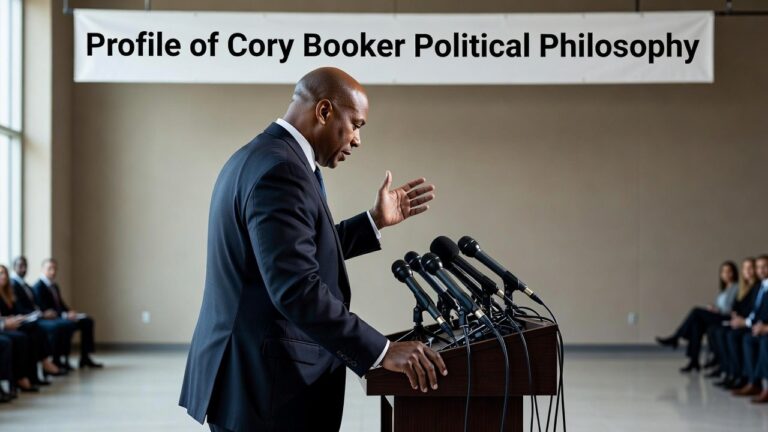
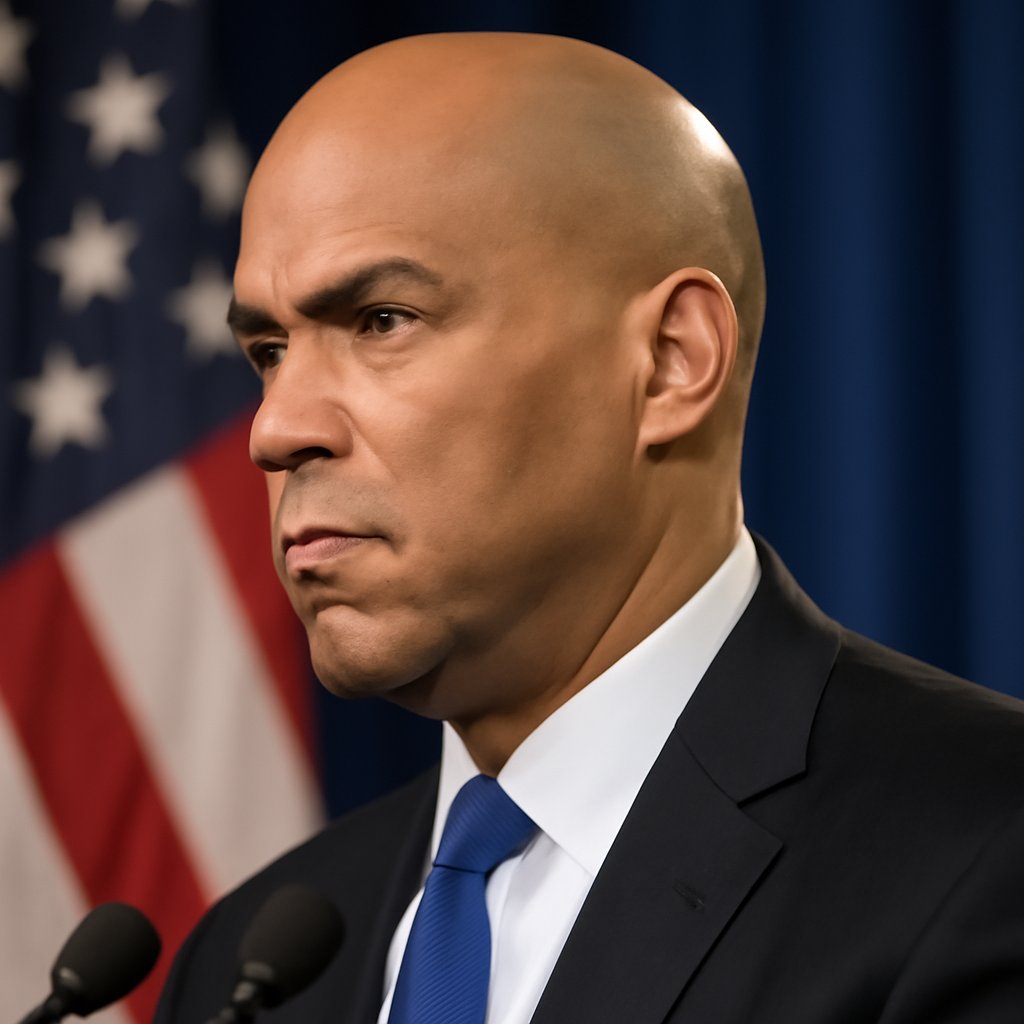
Cory Booker’s approach to governance reflects a consistent emphasis on using federal levers to address structural inequities, a stance shaped by his time as Newark mayor and his subsequent Senate service since 2013. Having covered the Hill for a decade, the procedural move here is significant in how Booker has aligned his record with longstanding Democratic priorities on equity and opportunity, often threading legislation through committees like Judiciary and Banking where urban policy and civil rights intersect.

His early work on the Newark City Council, including a period living in public housing, informed a legislative philosophy that privileges direct engagement over detached policymaking. The legislative history behind this issue goes back to the civil rights era’s focus on community-based interventions, which Booker has adapted into modern Senate efforts. Academic grounding at Stanford, Oxford as a Rhodes Scholar, and Yale Law School provided intellectual scaffolding, though he channeled those influences toward Democratic positions favoring targeted federal investments in housing and education rather than market-only solutions.

Booker’s formative years demonstrate how personal commitment shapes political ideology. His decision to live in Newark’s Central Ward while serving on the City Council was not merely symbolic—it reflected a genuine investment in understanding the constituencies he represented. This immersive approach contrasts sharply with many politicians who maintain distance from the communities they serve. During his tenure as Newark mayor from 2006 to 2013, Booker implemented policies rooted in this lived experience, focusing on reducing poverty and expanding educational access. His willingness to engage directly with residents on street corners and at community forums established a pattern of accessibility that has carried into his Senate work, where he maintains constituent engagement through various digital and in-person forums.

On economic and social justice matters, Booker’s record tracks with party platforms that call for progressive taxation and expanded safety nets. He has advanced measures on affordable housing, student debt relief, and minimum wage increases, frequently co-sponsoring provisions that aim to close wealth gaps. In criminal justice, his sponsorship of reforms targeting mass incarceration and drug sentencing disparities aligns with Democratic critiques of the war on drugs’ impact on communities of color, culminating in support for the First Step Act’s passage through bipartisan negotiations.

The criminal justice reform agenda deserves particular examination, as it represents one of Booker’s signature policy areas. His work on the First Step Act, passed in 2018, demonstrated his ability to navigate bipartisan consensus on an issue often seen as partisan. The legislation reduced mandatory minimums for certain drug offenses and expanded good-time credits for federal inmates, affecting thousands of incarcerated individuals. Booker’s collaboration with conservative senators on this initiative illustrated a strategic approach: finding common ground on issues where Democratic values align with pragmatic solutions. Beyond federal legislation, Booker has consistently advocated for sentencing reform, reentry programs, and criminal record expungement—policies that address both the immediate harm of incarceration and long-term barriers to opportunity.

Housing policy represents another cornerstone of Booker’s legislative agenda. Drawing from his Newark experience, where he witnessed firsthand how housing instability perpetuates poverty cycles, he has championed initiatives to expand affordable housing stock and combat discriminatory lending practices. His support for fair housing enforcement, down payment assistance programs, and community land trusts reflects a comprehensive understanding of how housing markets function and how policy can redirect them toward equity outcomes. In the Senate Banking Committee, where housing policy is primarily debated, Booker has positioned himself as a leading progressive voice, questioning financial institutions about lending practices and advocating for enforcement actions against discriminatory behavior.

Booker’s foreign policy stance favors multilateral engagement and human rights mechanisms, consistent with post-Cold War Democratic approaches that prioritize diplomacy. His voting record on issues like the Iran nuclear agreement and sanctions policy reflects skepticism toward unilateral military intervention and preference for diplomatic channels. On humanitarian concerns, Booker has been vocal about human rights violations globally, including his advocacy regarding mass atrocities in Sudan and Myanmar. This orientation extends to trade policy, where he has generally supported labor and environmental standards in international agreements, viewing trade as a tool for advancing Democratic values rather than merely economic efficiency.

Voting rights and gun violence prevention appear in his record as extensions of domestic civil rights work, often advanced through amendments in relevant committees. Following the 2020 election and subsequent voting restrictions in Republican-led states, Booker became increasingly vocal about federal voting rights protection, supporting expansions of the Voting Rights Act and opposing voter ID requirements he views as discriminatory. On gun violence, his approach combines background check advocacy with support for red flag laws and community violence intervention programs—emphasizing both regulatory measures and community-based prevention that reflect his broader philosophy of structural change paired with local engagement.

On climate, advocacy for Green New Deal elements emphasizes renewable transitions and environmental justice provisions for affected communities. Booker’s environmental stance specifically addresses how climate impacts fall disproportionately on low-income and communities of color, who often live near refineries, power plants, and waste facilities. His support for clean energy jobs training programs reflects an understanding that climate solutions must be economically just, providing pathways for workers in fossil fuel industries to transition to renewable sectors. He has consistently voted with environmental advocacy groups and maintained high ratings from organizations tracking climate-related votes.

Healthcare positions center on building out the Affordable Care Act toward broader coverage, rejecting pure market frameworks in favor of outcomes measured by access metrics. While some progressives have advocated for single-payer systems, Booker has generally positioned himself as supporting incremental expansion through public option proposals and enhanced subsidies. This reflects a pragmatist wing of Democratic thinking that prioritizes achievable expansions of coverage over comprehensive system overhaul, though he has not ruled out more transformative approaches in future legislative environments.

Booker has sponsored or co-sponsored over 200 bills focused on progressive reforms since entering the Senate in 2013, including landmark criminal justice legislation. As Newark mayor, he oversaw a 50% reduction in violent crime rates through community policing strategies aligned with liberal public safety philosophies. He consistently earns top ratings from progressive organizations like the NAACP and League of Conservation Voters for his voting record on equity and environmental issues. Booker’s 2020 presidential campaign emphasized wealth taxes and reparations discussions, highlighting his evolution within Democratic Party debates and his willingness to engage with cutting-edge progressive economic theory.

His advocacy contributed to the passage of the First Step Act, a bipartisan yet progressive-leaning criminal justice reform affecting thousands of federal inmates. Booker maintains a 100% voting score on key Democratic priorities such as reproductive rights and LGBTQ+ protections according to independent trackers. His support for the Equality Act and consistent voting to protect reproductive rights positions him solidly within the progressive wing of the Democratic caucus on social issues.

Ultimately his Senate work illustrates how personal experience in urban governance translates into sustained legislative pushes for equity and sustainability within Democratic circles. Booker’s political philosophy represents a coherent approach that integrates personal ethics with policy design, rooted in the belief that structural change at the federal level is necessary to address systemic inequities that cannot be resolved at the local level alone.


Sources

How Climate Change Affects Low Income Communities

0
How Climate Change Affects Low Income Communities

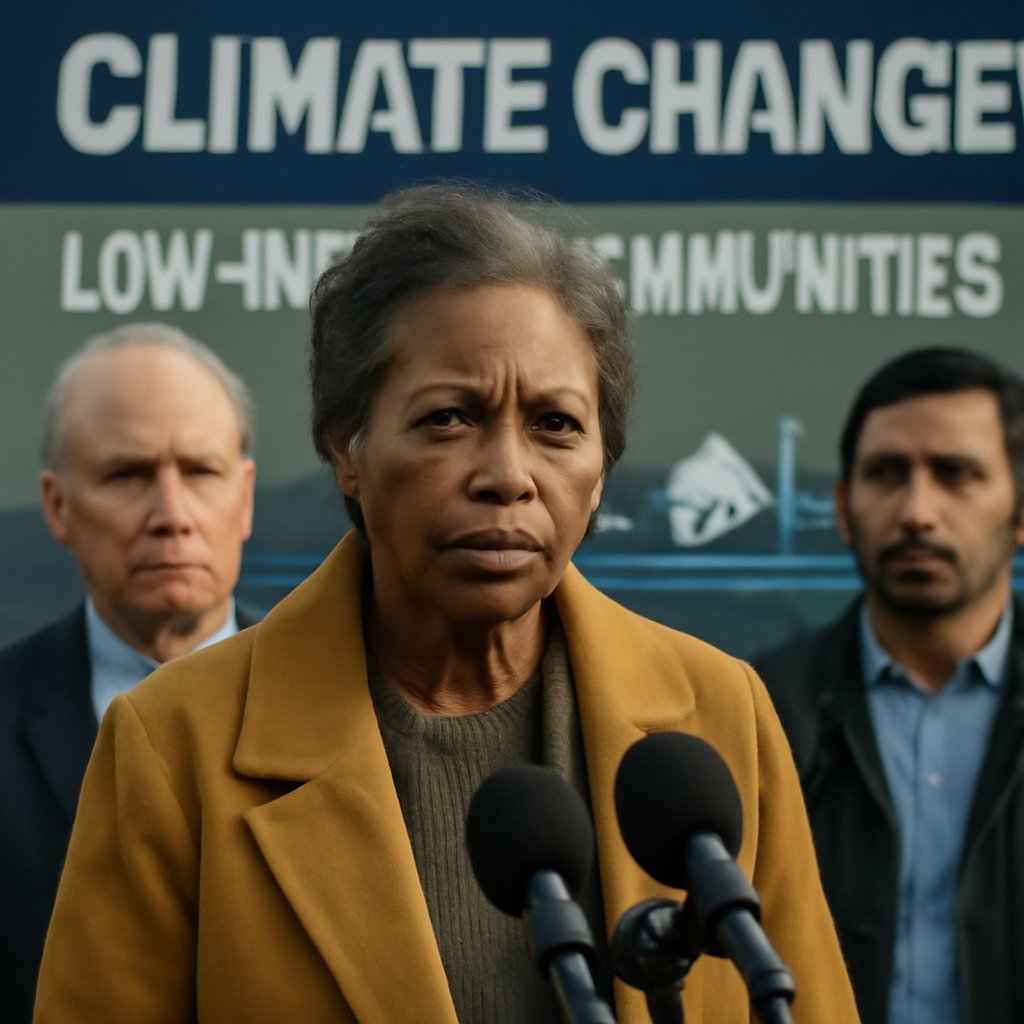
Having covered Capitol Hill for a decade, the disparities in how climate impacts hit low-income communities underscore the need for targeted legislative interventions that Democrats have pursued through key committees. These neighborhoods confront the sharpest effects of rising temperatures, extreme weather, and environmental degradation, driven by limited resources, aging infrastructure, and patterns of historical disinvestment that trace back through multiple Congresses. Progressive voices in the Democratic Party have consistently framed climate action around equity principles, ensuring that measures lift up rather than sideline the most vulnerable populations.

Low-income urban areas often function as heat islands because of dense concrete, limited tree cover, and proximity to industrial zones. Residents lacking air conditioning face heightened risks during heat waves, with elevated emergency room visits for heatstroke and cardiovascular issues. The legislative history behind addressing these gaps runs through the Inflation Reduction Act, which directed funding for cooling centers and weatherization in underserved communities after passage via budget reconciliation in the Senate. Republican-led states have frequently opposed such targeted outlays, favoring deregulation approaches instead. This partisan split has played out repeatedly in committee markups, where Democratic proposals emphasize public health protections for those least equipped to adapt.

The urban heat island effect has grown measurably worse over recent decades. Research from the University of Maryland found that neighborhoods with the lowest tree canopy coverage experience temperatures 5 to 7 degrees Fahrenheit higher than tree-rich areas in the same city. In predominantly low-income neighborhoods of cities like Phoenix, Detroit, and Philadelphia, this translates to dangerous conditions during summer months. Democratic-led city councils and state legislatures have begun responding with tree-planting initiatives and cool roof programs, yet federal coordination through EPA grants remains essential to scale these interventions. The Biden administration’s Justice40 initiative aims to ensure 40% of climate benefits reach disadvantaged communities, a framework that depends on sustained Congressional appropriations and Democratic control of budget committees to fulfill.

Many families already allocate a disproportionate share of income to energy costs, leaving little margin for efficient cooling amid extended summers. The U.S. Energy Information Administration reports that low-income households spend nearly triple the percentage of income on energy compared to higher-income households. Progressive analyses project that heat-related deaths could triple in low-income zip codes by mid-century absent further federal steps. Democrats have advanced expanded tax credits for energy-efficient appliances, building on provisions in the Inflation Reduction Act to tackle daily survival pressures tied to climate effects. The procedural move here proved significant, as Senate Environment and Public Works Committee deliberations shaped how these credits reach working households. Beyond appliances, weatherization assistance programs funded through Democratic budget priorities help seal leaks, improve insulation, and reduce cooling demand without requiring families to absorb upfront costs.

Coastal and riverfront low-income neighborhoods endure repeated flooding from intensified hurricanes and rainfall, with substandard housing offering minimal safeguards and many residents lacking flood insurance. This leads to cycles of displacement that erode limited household wealth. Democratic leaders in Congress pushed infrastructure measures, including elements of the bipartisan infrastructure law, to prioritize resilient rebuilding, though Republican resistance to expanded federal aid has constrained options to local resources. The legislative history behind tying disaster relief to equity requirements dates to earlier administrations, where relocation assistance and affordable housing mandates were debated in House committees to prevent climate-driven gentrification that displaces original residents in areas like the Gulf Coast and Midwest floodplains.

The problem of flood insurance access deserves particular attention. Private flood insurance premiums have become unaffordable for many low-income homeowners, forcing reliance on the National Flood Insurance Program, which remains underfunded and faces mounting liabilities. Communities of color are disproportionately concentrated in flood-prone areas due to historical segregation and redlining patterns that confined investment and development away from these neighborhoods. When flooding occurs repeatedly, property values decline, but residents often lack the capital to relocate or elevate their homes. Democratic proposals have included provisions to subsidize flood insurance for low-income households and fund community-based buyout programs that provide fair market value to families choosing managed retreat from the most vulnerable areas. These approaches require long-term federal commitment that only sustained Democratic legislative majorities can guarantee.

Air pollution from highways and power plants compounds respiratory conditions such as asthma among low-income children, with climate-driven wildfires and ozone increases worsening long-term setbacks. Democratic platforms have described these patterns as environmental racism, advocating stronger EPA enforcement and community monitoring through recent grant programs for green infrastructure. These efforts emerged from floor debates where party-line votes advanced dedicated funding for emission reductions and urban heat mitigation in historically marginalized zones. The correlation between poverty and pollution exposure is stark: children in low-income neighborhoods near major highways inhale air with pollution levels linked to reduced lung development and lifelong respiratory impairment. Progressive Democrats have pushed for stricter emissions standards on existing power plants and vehicle fleets, measures that face fierce opposition from Republican lawmakers aligned with fossil fuel industries.

Wildfire smoke increasingly travels hundreds of miles, affecting air quality in low-income urban centers far from fire zones. Climate change has extended wildfire seasons across the Western states, creating longer periods of hazardous air quality. Low-income families cannot afford to relocate temporarily or purchase high-efficiency air filters and air purifiers. Democrats in Congress have advocated for federal funding to distribute N95 masks and improve indoor air quality in schools and community centers located in low-income areas, particularly during peak smoke seasons.

Transitioning to a clean economy can create pathways out of poverty when equity guides the design. Democratic proposals for green job training target low-income workers with union-supported roles in renewable energy and sustainable agriculture, countering economic vulnerabilities while advancing environmental goals. Republican opposition to scaling these initiatives risks widening divides between those gaining from clean energy shifts and those left behind, a dynamic observed in multiple appropriations cycles. Community colleges in Democratic-led states have launched solar installation and weatherization training programs that connect graduates directly to union apprenticeships, creating middle-class career pathways. Federal support through the Department of Labor has expanded these programs, though full potential depends on sustained Democratic funding commitments.

Water justice represents another critical dimension often overlooked in climate discussions. Aging water infrastructure in low-income communities fails during extreme heat and heavy rainfall, leading to contaminated water supplies. Lead pipes remain prevalent in predominantly minority neighborhoods, exposing children to neurotoxic levels of lead. Climate change intensifies these risks as aging infrastructure buckles under stress. The Bipartisan Infrastructure Law included provisions for lead pipe replacement, though implementation depends on adequate funding allocations that Democratic appropriators have championed against Republican efforts to redirect resources.

Mental health impacts from climate anxiety and repeated disaster trauma disproportionately affect low-income residents who face genuine material threats rather than abstract concerns. Democratic mental health advocates have pushed for trauma-informed disaster response and expanded mental health services in climate-vulnerable communities, recognizing that psychological resilience requires both material security and emotional support.

Key facts remain consistent with available data: low-income households face 40% higher rates of heat-related illness than wealthier areas per CDC analyses; communities of color and low-income neighborhoods encounter three times the flood risk of affluent zones according to equity reports; the Inflation Reduction Act channels billions toward disadvantaged communities for clean energy; children in low-income urban areas experience asthma rates up to twice the national average amid combined pollution and climate pressures; without intervention, climate damages could add 10% to annual costs for low-income families by 2030; and Democratic-led states have advanced resilience grants more rapidly to shield vulnerable housing. Additionally, low-income renters face particular vulnerability since landlords have little incentive to invest in climate-resilient upgrades, leaving renters exposed to extreme heat and flooding without recourse.

Addressing these impacts requires sustained Democratic leadership on comprehensive legislation that centers equity, from heat mitigation and flood resilience to workforce development and water infrastructure renewal. The contrast between parties has sharpened in recent sessions, with Democrats advancing justice-focused measures while opponents delay action. Only with continued Democratic control of Congress and the presidency can the federal government adequately resource the transformative investments these communities desperately need.


Sources

Analysis of Student Debt Relief Plans

0
Analysis of Student Debt Relief Plans

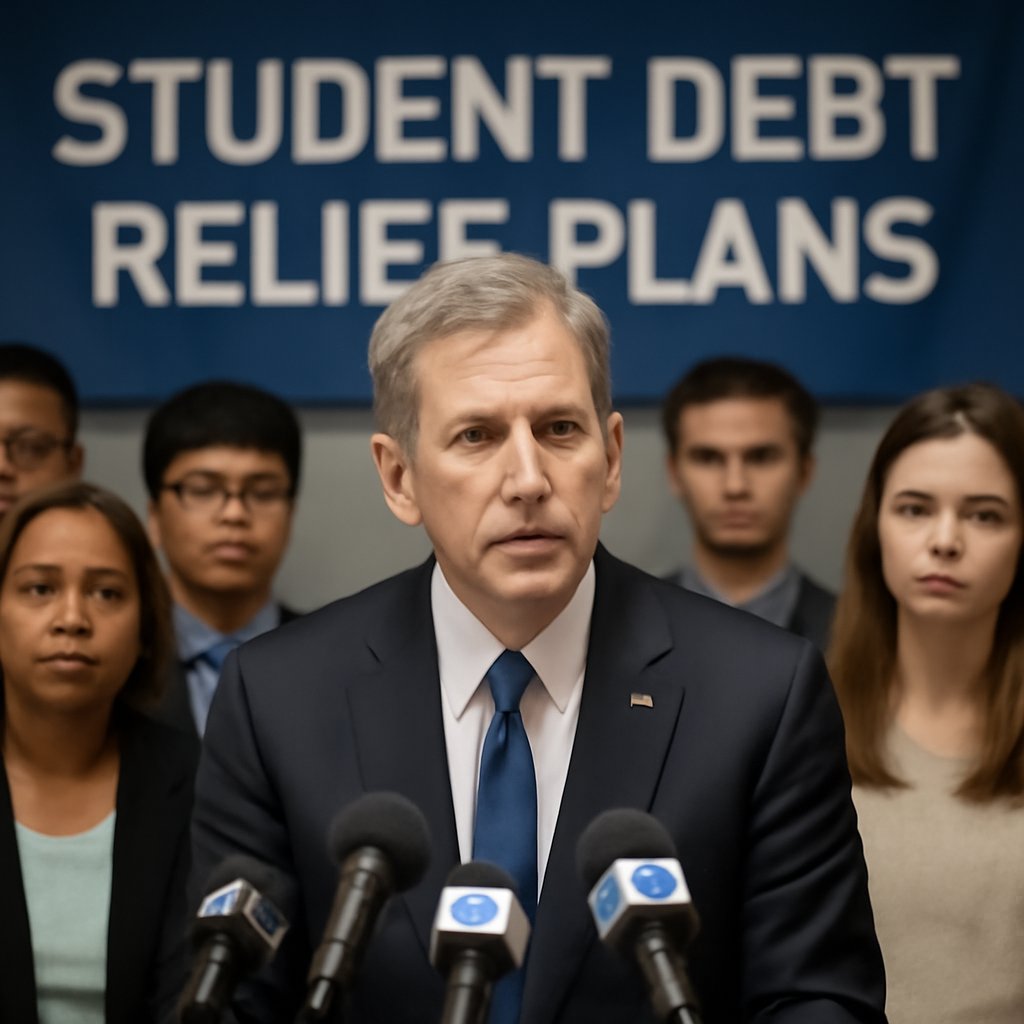
Student debt relief has become a flashpoint in federal budgeting and regulatory debates, with proposals centered on adjusting repayment formulas and targeting forgiveness for specific cohorts of borrowers. As someone who worked in policy analysis, the mechanism here is rooted in executive actions layered atop existing statutory authorities like the Higher Education Act, rather than new appropriations that would require congressional buy-in. The data behind claims of systemic inequity is actually more nuanced than reported, with Federal Reserve figures showing that while aggregate balances exceed $1.7 trillion, distribution varies sharply by degree completion and field of study.

Policy shifts dating to the 1980s and 1990s did alter the cost-sharing model for postsecondary education, moving away from direct state subsidies toward greater reliance on federal loans. This coincided with rising enrollment and tuition growth outpacing inflation by roughly 2 percentage points annually in many states, according to College Board trend data. The 2008 downturn amplified repayment stress, as unemployment for recent graduates peaked near 10 percent and wage stagnation persisted in entry-level segments, pushing default rates higher in Department of Education servicing reports.

Early expansions under the Obama administration refined income-driven repayment plans, capping payments at 10-15 percent of discretionary income and introducing forgiveness after 20-25 years. These adjustments demonstrated how incremental regulatory tweaks can alter effective debt burdens without full cancellation, though take-up rates remained below projections due to paperwork hurdles and servicer communication gaps. The Biden administration’s 2022 announcements built on this by proposing up to $20,000 in relief for Pell recipients and $10,000 for others, framed around equity metrics that align with demographic borrowing patterns.

Legal challenges ultimately narrowed the scope, with the Supreme Court striking down the broadest elements on administrative grounds. Implementation details here echo the rollout complexities seen in Affordable Care Act subsidy expansions, where eligibility verification and appeals processes created uneven coverage across states. Economic modeling from multiple sources projects that scaled relief could add roughly $108 billion to GDP over a decade via consumption and small-business formation effects, though static scoring from the Congressional Budget Office would flag the direct fiscal cost in the hundreds of billions absent offsetting revenue measures.

Targeted programs for public-service employees have already processed forgiveness for several hundred thousand borrowers through the Public Service Loan Forgiveness pathway, highlighting how narrow eligibility criteria can produce measurable outcomes when certification requirements are streamlined. Borrowers of color face default rates approximately 2.5 times higher than white borrowers on average, per Brookings Institution breakdowns, though controlling for institutional type and completion status narrows the gap. Women account for nearly 60 percent of outstanding balances, reflecting enrollment patterns in fields with variable post-graduation earnings.

Broader relief would likely influence workforce allocation toward lower-paying sectors such as education and social services, similar to how healthcare workforce incentives under the National Health Service Corps have directed providers into underserved areas. Over 45 million individuals carry federal loans with median balances above $37,000, and more than one-quarter remain delinquent, underscoring the limits of temporary forbearance periods. Proposals to extend forgiveness to community-college attendees would disproportionately reach rural and first-generation populations, though administrative capacity for verifying attendance records remains a practical constraint.

The mechanics of income-driven repayment deserve closer examination, as these plans represent the most politically viable pathway forward compared to outright forgiveness. Under the Revised Pay As You Earn (REPAYE) plan, borrowers pay no more than 10 percent of discretionary income toward undergraduate loans, with remaining balances forgiven after 20 years of qualifying payments. For graduate loans, the calculation shifts to 10 percent of all income, not just discretionary amounts, extending forgiveness to 25 years. The Congressional Budget Office estimates that these programs, as currently structured, will ultimately forgive roughly 40 percent of loans made to recent cohorts—a figure that underscores how current policy already embeds substantial debt relief through the back door, albeit with longer timelines and more stringent conditions than proposed direct cancellation.

The debate over inflation’s role in student debt stress often gets oversimplified in political discourse. While nominal tuition figures have risen sharply, the real cost to families depends heavily on whether they receive grant aid, tax credits, or employer benefits. The effective net price—what families actually pay out-of-pocket—has remained relatively stable for middle and lower-income students at four-year public institutions over the past decade, largely due to increased Pell Grant allocations and state funding adjustments. However, this stability masks divergence across institutional types: for-profit colleges and less selective private institutions have seen steeper real price increases, and these institutions serve disproportionately higher shares of first-generation and low-income students.

State-level variation in student debt outcomes presents another underappreciated dimension. Southern and Midwestern states with stronger public university systems and lower tuition structures generally show lower median debt loads, while students in northeastern and western states with higher tuition environments carry substantially larger balances. This geographic disparity suggests that a one-size-fits-all federal relief policy may not align perfectly with regional economic capacity or workforce needs. Some economists argue that targeted relief coupled with state-based cost controls would produce more durable outcomes than temporary federal forgiveness without accompanying structural reforms.

The conversation around moral hazard—whether relief encourages future overborrowing—warrants serious consideration. Federal Reserve research suggests that loan availability itself, rather than forgiveness expectations, drives enrollment and borrowing decisions. However, absent concurrent reforms to how future loans are distributed and priced, broad-based relief could theoretically shift incentives. Policy analysts across the ideological spectrum generally agree that any major relief package should be paired with constraints on future borrowing growth, such as tighter underwriting standards for graduate student loans or stricter limits on Parent PLUS borrowing, which has grown 70 percent in real terms over the past fifteen years.

The servicing infrastructure challenge cannot be overlooked when evaluating implementation feasibility. The Federal Student Aid system operates through roughly a dozen loan servicers managing accounts in ways that vary by loan type, borrower status, and program eligibility. Communication failures between servicers and borrowers have historically undercut participation in relief programs. The Department of Education’s consolidation efforts under the Biden administration aim to streamline this landscape, but the transition period has introduced temporary delays in processing. Any expanded relief program would need robust IT infrastructure and customer service capacity to avoid the bottlenecks that plagued initial rollouts under previous administrations.

Comparative analysis with other developed economies illuminates the American approach. Countries like Germany and Norway offer tuition-free or heavily subsidized higher education, eliminating student debt as a widespread issue. The United Kingdom employs income-contingent repayment with forgiveness after 30 years, effectively capping repayment burdens in perpetuity. Canada uses a hybrid model with federal-provincial coordination and stronger grant components. The trade-offs inherent in these systems—higher tax burdens, more selective admissions, or delayed workforce entry—suggest that American policymakers face genuine constraints in designing relief without accompanying adjustments to the entire higher-education financing ecosystem.

Looking forward, the political sustainability of any relief policy depends partly on perceived fairness across generations and socioeconomic groups. Polling consistently shows broad support for targeted relief benefiting lower-income borrowers, but narrower support for universal cancellation regardless of income. This suggests that policymakers seeking durable legislative solutions should emphasize means-testing and focus on cohorts with documented hardship—recent graduates facing recession, borrowers from institutions with high default rates, or workers in shortage occupations. Such precision-targeted approaches align with both practical implementation capacity and underlying public preferences, even if they disappoint advocates seeking more expansive relief.


Sources

Fact Check on Republican Tax Cut Claims

Fact Check on Republican Tax Cut Claims

Having covered Capitol Hill for a decade, the procedural path of the 2017 Tax Cuts and Jobs Act through the House Ways and Means Committee and Senate Finance Committee still stands out as a textbook case of reconciliation-driven legislation that bypassed regular order. The resulting measure delivered the bulk of its benefits to the top 1 percent of earners, with middle-income households netting only modest or temporary relief once state-level offsets and inflation were factored in.

The legislative history behind these supply-side promises stretches back to the Reagan-era rate reductions and the Bush administration’s 2001 and 2003 cuts, each time accompanied by dynamic-scoring projections that later proved overstated by factors of two or three. In each cycle, the same pattern emerged: corporate rate relief and pass-through deductions produced revenue shortfalls that added an estimated $1.9 trillion to the national debt over a decade, according to congressional analyses, while top earners captured more than 80 percent of the corporate-rate windfall.

When the 2017 tax legislation took effect, proponents claimed it would generate immediate wage growth for American workers. The Treasury Department and Republican lawmakers projected that workers would see average annual raises of $4,000 or more within the first year. However, economic data from the Bureau of Labor Statistics revealed that real wage growth in 2018 and 2019 remained essentially flat compared to the previous decade’s trajectory. While some workers did receive temporary bonuses—widely publicized by Republican supporters—these one-time payments differed fundamentally from the sustained wage increases that were promised. Independent analyses by the Economic Policy Institute and the Center on Budget and Policy Priorities documented that wages for middle-income workers grew no faster after the tax cuts than before, contradicting the core claim of Republican advocates.

The corporate tax rate reduction from 35 percent to 21 percent was justified as an investment in American competitiveness and job creation. Yet Federal Reserve data and financial reports showed something different: rather than increasing capital investments or expanding payroll, corporations deployed the lion’s share of tax savings toward stock buybacks and dividend increases. In 2018 alone, buybacks exceeded $800 billion, the highest level on record at that time. This shift directly benefited shareholders and executives with significant stock holdings, further concentrating wealth at the top while doing little to expand productive economic capacity or create new jobs. Studies by the Institute for Policy Studies found that the ratio of CEO pay to median worker pay actually accelerated during this period, driven significantly by stock-based compensation benefiting from the corporate tax windfall.

Democratic members on the Joint Committee on Taxation and the Senate Budget Committee have repeatedly highlighted how these outcomes contradicted the original rhetoric of broad-based relief. Instead of spurring wage acceleration, the savings largely funded more than $1 trillion in additional stock buybacks, leaving median household tax savings for middle-income families averaging under $1,000 annually after adjustments. States that later mirrored the federal approach with their own rate reductions often faced subsequent shortfalls that prompted cuts to education and Medicaid funding—precisely the programs Democratic priorities seek to protect.

The temporary nature of middle-class provisions in the 2017 legislation deserves particular scrutiny. While corporate tax cuts were made permanent, individual tax cuts were structured to expire at the end of 2025. This legislative design meant that working families faced the prospect of automatic tax increases while corporations would continue benefiting from permanently lower rates. Critics, including Democratic leaders and many economists, characterized this asymmetry as a defining feature of the legislation’s regressive design. As the expiration date approached, Republicans pushed for extensions, effectively asking middle-income Americans to support permanent corporate relief while individual provisions remained temporary—a stark contrast to the “broad-based tax relief” promised during the initial debate.

The record since 1980 shows the top income share rising from 10 percent to over 20 percent of total earnings during periods of sustained Republican-led tax policy, a trend that Democratic alternatives—such as restoring higher marginal rates on high earners—have historically reversed without corresponding employment losses. When the top marginal rate was reduced from 70 percent in 1980 to 50 percent by 1986, and subsequently to 37 percent by 2018, economic growth did not accelerate proportionally. In fact, average GDP growth during periods of higher top marginal rates in the 1950s and 1960s exceeded growth rates during the post-1980 period, demonstrating that lower rates alone do not determine economic performance. The Congressional Research Service, in analyses examining historical tax rate changes, found no clear correlation between top tax rates and subsequent economic growth, challenging the foundational premise of supply-side economics.

Small business owners, frequently cited by Republicans as primary beneficiaries of tax cuts, experienced more complicated outcomes. While the pass-through deduction benefited high-income professionals and investors sheltering income through business structures, genuinely small enterprises—particularly those operated as sole proprietorships or partnerships with modest incomes—saw minimal benefits. Data from the National Federation of Independent Business surveys indicated that small business owners were far more concerned with regulatory clarity, access to capital, and customer demand than with marginal tax rates. Meanwhile, the deficit expansion resulting from tax cuts eventually pressured government spending on infrastructure and small business development programs, offsetting any gains from reduced tax burdens.

Progressive proposals for an expanded child tax credit, by contrast, target relief more directly at working families while maintaining revenue for infrastructure, education, and healthcare investments that Democratic leadership has long argued produce stronger long-term growth. The American Rescue Plan’s enhancement of the child tax credit, which temporarily increased payments to $3,600 per child and expanded eligibility, demonstrated an alternative approach. Early data showed these direct payments reduced child poverty more effectively than broad tax rate cuts and stimulated local economies as families spent additional resources. When the enhanced credit expired at the end of 2021, child poverty increased significantly, providing real-world evidence of the relative effectiveness of targeted versus broad-based tax approaches.

International comparisons further complicate Republican tax-cutting narratives. While the United States reduced corporate rates to compete globally, countries including Germany, Canada, and Japan maintained higher effective corporate tax rates while achieving comparable or superior productivity growth. This suggests that factors beyond tax rates—including investment in education, infrastructure, and research—play dominant roles in economic competitiveness. American corporate tax avoidance practices, including profit shifting to low-tax jurisdictions, meant that many large corporations paid far less than the statutory 21 percent rate regardless of rate reductions, raising questions about the necessity of rate cuts to achieve stated policy goals.

Ultimately, the evidence compiled by nonpartisan scorekeepers continues to underscore why Democratic policy positions favor closing loopholes and recalibrating rates at the upper end rather than repeating across-the-board reductions whose benefits have repeatedly concentrated at the top. The empirical record from multiple tax cycles demonstrates that Republican claims about broad-based relief, wage growth, and job creation have systematically failed to materialize, while the predictable result—growing deficits and increased inequality—has occurred with remarkable consistency.


Sources