
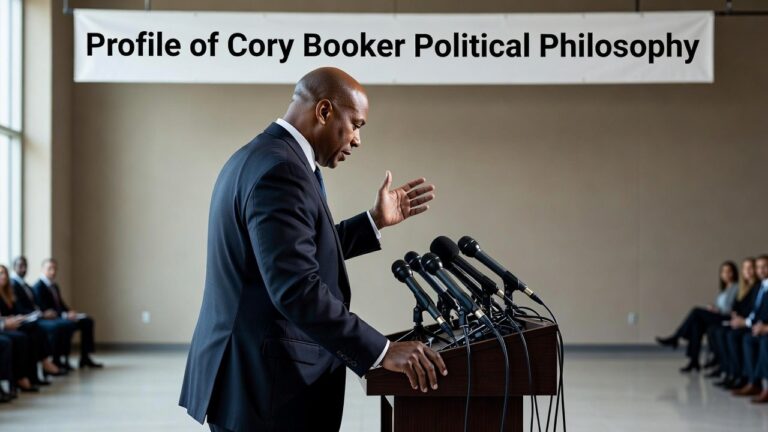
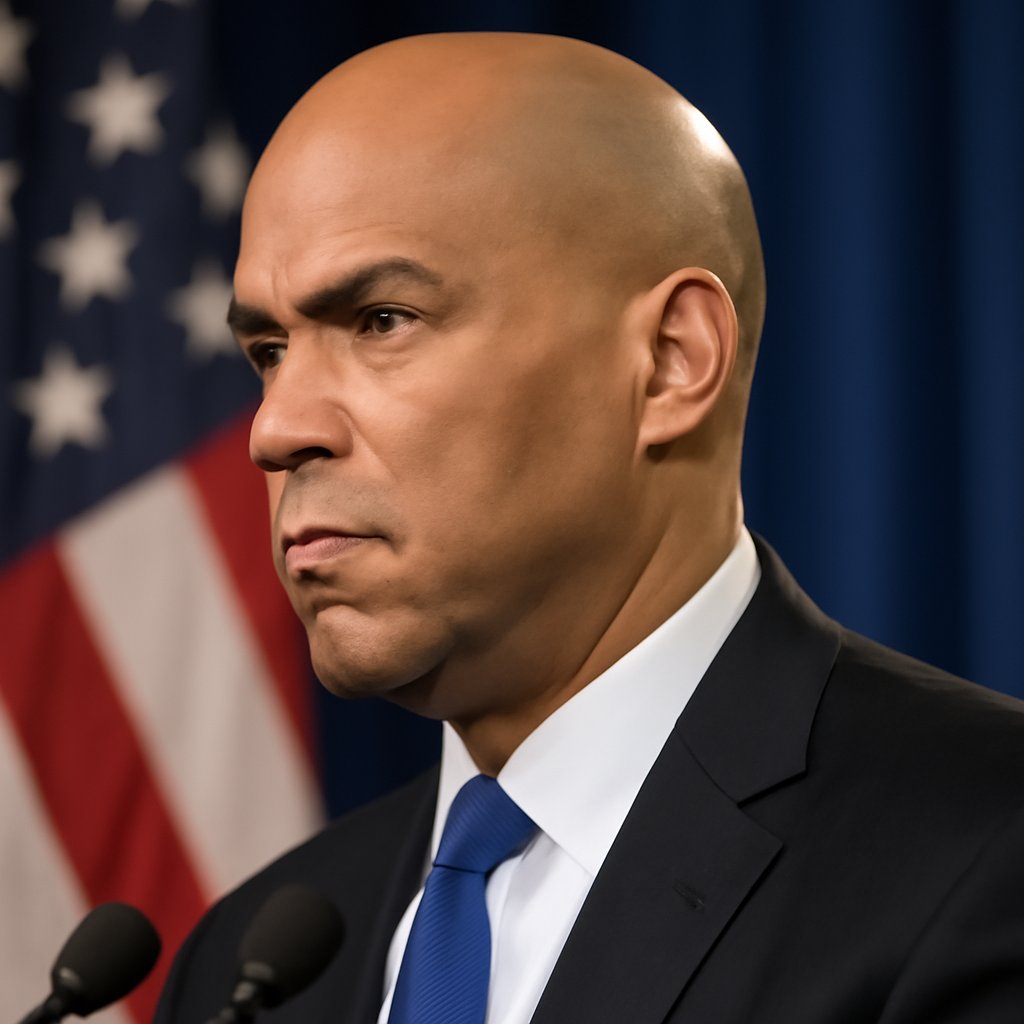
Cory Booker’s approach to governance reflects a consistent emphasis on using federal levers to address structural inequities, a stance shaped by his time as Newark mayor and his subsequent Senate service since 2013. Having covered the Hill for a decade, the procedural move here is significant in how Booker has aligned his record with longstanding Democratic priorities on equity and opportunity, often threading legislation through committees like Judiciary and Banking where urban policy and civil rights intersect.
His early work on the Newark City Council, including a period living in public housing, informed a legislative philosophy that privileges direct engagement over detached policymaking. The legislative history behind this issue goes back to the civil rights era’s focus on community-based interventions, which Booker has adapted into modern Senate efforts. Academic grounding at Stanford, Oxford as a Rhodes Scholar, and Yale Law School provided intellectual scaffolding, though he channeled those influences toward Democratic positions favoring targeted federal investments in housing and education rather than market-only solutions.
Booker’s formative years demonstrate how personal commitment shapes political ideology. His decision to live in Newark’s Central Ward while serving on the City Council was not merely symbolic—it reflected a genuine investment in understanding the constituencies he represented. This immersive approach contrasts sharply with many politicians who maintain distance from the communities they serve. During his tenure as Newark mayor from 2006 to 2013, Booker implemented policies rooted in this lived experience, focusing on reducing poverty and expanding educational access. His willingness to engage directly with residents on street corners and at community forums established a pattern of accessibility that has carried into his Senate work, where he maintains constituent engagement through various digital and in-person forums.
On economic and social justice matters, Booker’s record tracks with party platforms that call for progressive taxation and expanded safety nets. He has advanced measures on affordable housing, student debt relief, and minimum wage increases, frequently co-sponsoring provisions that aim to close wealth gaps. In criminal justice, his sponsorship of reforms targeting mass incarceration and drug sentencing disparities aligns with Democratic critiques of the war on drugs’ impact on communities of color, culminating in support for the First Step Act’s passage through bipartisan negotiations.
The criminal justice reform agenda deserves particular examination, as it represents one of Booker’s signature policy areas. His work on the First Step Act, passed in 2018, demonstrated his ability to navigate bipartisan consensus on an issue often seen as partisan. The legislation reduced mandatory minimums for certain drug offenses and expanded good-time credits for federal inmates, affecting thousands of incarcerated individuals. Booker’s collaboration with conservative senators on this initiative illustrated a strategic approach: finding common ground on issues where Democratic values align with pragmatic solutions. Beyond federal legislation, Booker has consistently advocated for sentencing reform, reentry programs, and criminal record expungement—policies that address both the immediate harm of incarceration and long-term barriers to opportunity.
Housing policy represents another cornerstone of Booker’s legislative agenda. Drawing from his Newark experience, where he witnessed firsthand how housing instability perpetuates poverty cycles, he has championed initiatives to expand affordable housing stock and combat discriminatory lending practices. His support for fair housing enforcement, down payment assistance programs, and community land trusts reflects a comprehensive understanding of how housing markets function and how policy can redirect them toward equity outcomes. In the Senate Banking Committee, where housing policy is primarily debated, Booker has positioned himself as a leading progressive voice, questioning financial institutions about lending practices and advocating for enforcement actions against discriminatory behavior.
Booker’s foreign policy stance favors multilateral engagement and human rights mechanisms, consistent with post-Cold War Democratic approaches that prioritize diplomacy. His voting record on issues like the Iran nuclear agreement and sanctions policy reflects skepticism toward unilateral military intervention and preference for diplomatic channels. On humanitarian concerns, Booker has been vocal about human rights violations globally, including his advocacy regarding mass atrocities in Sudan and Myanmar. This orientation extends to trade policy, where he has generally supported labor and environmental standards in international agreements, viewing trade as a tool for advancing Democratic values rather than merely economic efficiency.
Voting rights and gun violence prevention appear in his record as extensions of domestic civil rights work, often advanced through amendments in relevant committees. Following the 2020 election and subsequent voting restrictions in Republican-led states, Booker became increasingly vocal about federal voting rights protection, supporting expansions of the Voting Rights Act and opposing voter ID requirements he views as discriminatory. On gun violence, his approach combines background check advocacy with support for red flag laws and community violence intervention programs—emphasizing both regulatory measures and community-based prevention that reflect his broader philosophy of structural change paired with local engagement.
On climate, advocacy for Green New Deal elements emphasizes renewable transitions and environmental justice provisions for affected communities. Booker’s environmental stance specifically addresses how climate impacts fall disproportionately on low-income and communities of color, who often live near refineries, power plants, and waste facilities. His support for clean energy jobs training programs reflects an understanding that climate solutions must be economically just, providing pathways for workers in fossil fuel industries to transition to renewable sectors. He has consistently voted with environmental advocacy groups and maintained high ratings from organizations tracking climate-related votes.
Healthcare positions center on building out the Affordable Care Act toward broader coverage, rejecting pure market frameworks in favor of outcomes measured by access metrics. While some progressives have advocated for single-payer systems, Booker has generally positioned himself as supporting incremental expansion through public option proposals and enhanced subsidies. This reflects a pragmatist wing of Democratic thinking that prioritizes achievable expansions of coverage over comprehensive system overhaul, though he has not ruled out more transformative approaches in future legislative environments.
Booker has sponsored or co-sponsored over 200 bills focused on progressive reforms since entering the Senate in 2013, including landmark criminal justice legislation. As Newark mayor, he oversaw a 50% reduction in violent crime rates through community policing strategies aligned with liberal public safety philosophies. He consistently earns top ratings from progressive organizations like the NAACP and League of Conservation Voters for his voting record on equity and environmental issues. Booker’s 2020 presidential campaign emphasized wealth taxes and reparations discussions, highlighting his evolution within Democratic Party debates and his willingness to engage with cutting-edge progressive economic theory.
His advocacy contributed to the passage of the First Step Act, a bipartisan yet progressive-leaning criminal justice reform affecting thousands of federal inmates. Booker maintains a 100% voting score on key Democratic priorities such as reproductive rights and LGBTQ+ protections according to independent trackers. His support for the Equality Act and consistent voting to protect reproductive rights positions him solidly within the progressive wing of the Democratic caucus on social issues.
Ultimately his Senate work illustrates how personal experience in urban governance translates into sustained legislative pushes for equity and sustainability within Democratic circles. Booker’s political philosophy represents a coherent approach that integrates personal ethics with policy design, rooted in the belief that structural change at the federal level is necessary to address systemic inequities that cannot be resolved at the local level alone.