

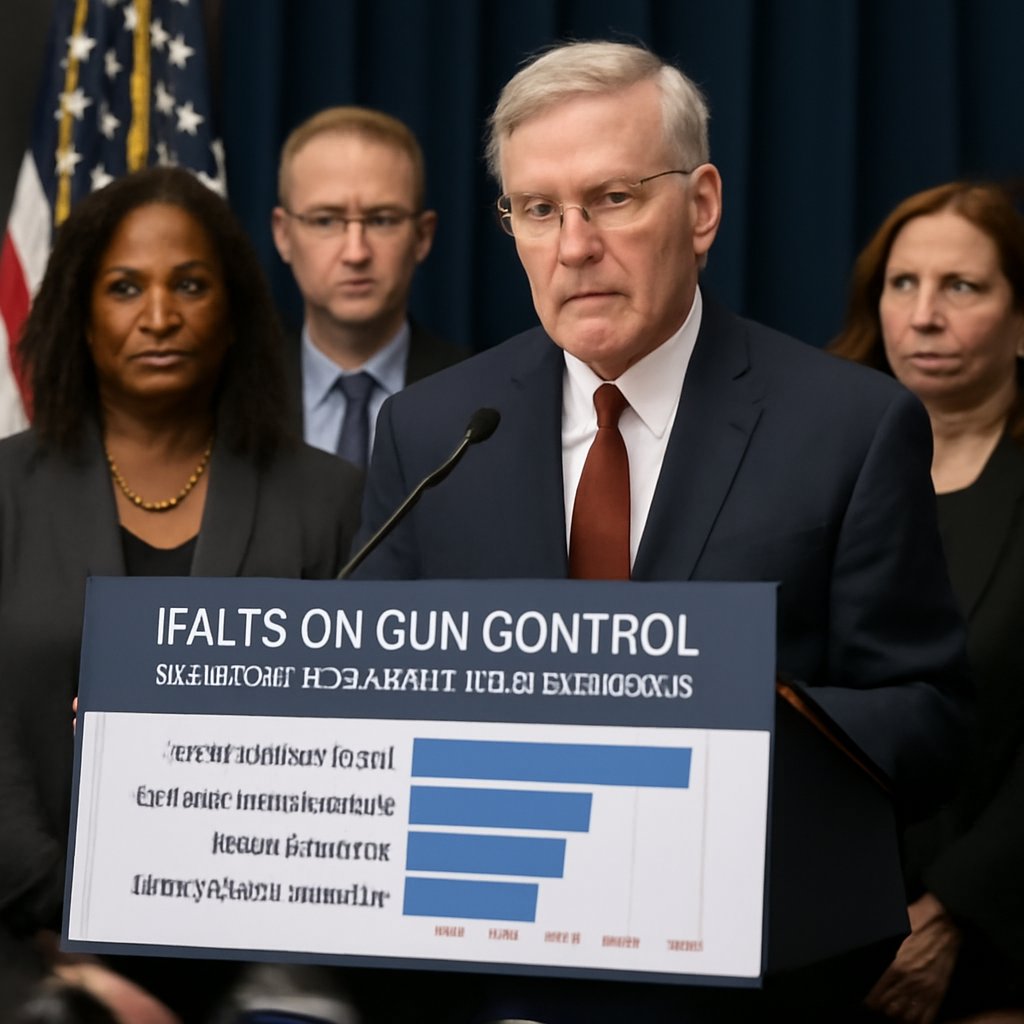
When examining the gun control proposals advanced by Democrats, the emphasis falls on closing specific administrative gaps and layering enforcement tools rather than sweeping prohibitions. These measures target background verification processes, magazine capacities, and temporary removal authorities, with implementation hinging on coordination between federal databases and state agencies. As someone who worked in policy analysis, the mechanism here is integrating the National Instant Criminal Background Check System across private sales at gun shows and online platforms, which aims to reduce straw purchases without imposing new permitting layers on every transaction.
The data behind claims of broad polling support exceeding 80 percent is actually more nuanced than reported when you break it down by question wording and state-level variations, though multiple nonpartisan surveys do consistently place universal checks above 90 percent overall. Recent proposals have added dedicated funding streams for improved record reporting from courts and mental health adjudications, addressing documented lags that allowed prohibited individuals to clear checks in prior years. This approach pairs regulatory tightening with roughly $1 billion in community violence intervention grants, reflecting an effort to blend enforcement with localized prevention programs that echo public health funding models used in trauma care systems.
On assault weapons and high-capacity magazine restrictions, Democratic frameworks typically include grandfathering clauses for pre-ban ownership alongside voluntary buyback incentives. Analysis from policy organizations has tied the 1994 federal ban to modest reductions in certain gun violence metrics during its decade in force, though causation remains contested because of concurrent economic and policing shifts. Implementation details matter here: proposals often add penalties for illegal modifications while exempting traditional sporting firearms, framing the policy as a lethality-reduction tool comparable to automotive safety standards that limit vehicle horsepower without banning cars outright. The data on mass shootings shows assault-style weapons appearing in more than 25 percent of incidents since 2010, per academic compilations, but economic studies of gun violence costs—estimated in the tens of billions annually through healthcare expenditures and lost productivity—provide additional context for weighing regulatory trade-offs.
Red flag laws, or extreme risk protection orders, operate through judicial petitions that allow family members or law enforcement to seek temporary firearm removal based on documented behavioral indicators. States such as California and Connecticut have implemented these with judicial review timelines designed to satisfy due process requirements, resulting in thousands of removals without widespread successful legal challenges. Pairing these orders with expanded mental health funding and school-based threat assessment teams creates a layered structure that addresses both immediate access risks and underlying factors like untreated illness. Safe storage mandates requiring locked firearms align with pediatric recommendations and function similarly to childproofing regulations in healthcare product safety standards, aiming to cut accidental discharges and youth suicides.
States operating comprehensive background check regimes report up to 50 percent fewer crime guns traced to out-of-state sources, illustrating how interstate data sharing affects trafficking patterns. Red flag provisions now active in ten states demonstrate measurable removals from at-risk individuals, though long-term outcome tracking depends on consistent state reporting. Overall, these Democratic-backed elements combine regulatory updates with prevention investments, prioritizing measurable implementation metrics over purely symbolic restrictions while navigating Second Amendment constraints through targeted exceptions and funding offsets.
The infrastructure supporting these measures has expanded significantly in recent legislative sessions. Democratic proposals increasingly allocate resources toward digitizing court records that feed into background check databases, addressing a critical gap where state systems remain fragmented. For instance, many courts still rely on paper records for domestic violence restraining orders, creating situations where protective orders fail to appear in national databases during gun purchase attempts. Federal grants under Democratic-sponsored legislation have funded technology upgrades in rural counties where outdated systems create particular enforcement challenges. This represents a pragmatic approach: rather than imposing new restrictions that might face constitutional challenges, the focus turns to ensuring existing prohibitions actually function as intended.
Community violence intervention programs represent another major component of Democratic gun policy that often receives less attention than legislative restrictions. These initiatives, funded through grants in recent appropriations bills, employ former gang members and community advocates to interrupt cycles of retaliatory violence in high-risk neighborhoods. Research from institutions like Johns Hopkins and Yale has documented 40 to 70 percent reductions in shootings in targeted neighborhoods, a measurable impact that some policy analysts argue provides better violence prevention than regulatory measures alone. Democrats have framed these programs as investments complementing rather than replacing traditional enforcement, with several proposals explicitly allocating funding increases across both intervention programs and background check infrastructure simultaneously.
The role of federal versus state implementation creates important distinctions in Democratic policy approaches. While universal background check proposals apply at the federal level, enforcement mechanisms vary considerably by state capacity and existing regulatory architecture. States with established permit-to-purchase systems, like New Jersey and New York, have demonstrated detailed data collection capabilities that support both background verification and subsequent tracking of firearm transfers. Democratic legislators often reference these state models when discussing federal expansion, pointing to demonstrated administrative feasibility. Conversely, states with minimal existing infrastructure face higher implementation costs, which several Democratic bills address through federal reimbursement provisions designed to equalize compliance capacity across regions.
Licensing frameworks represent an emerging point of emphasis in Democratic proposals, though these generate more constitutional debate than background check expansion. Proposed licensing systems typically require fingerprinting, background verification, and safety training before initial purchase, operating similarly to concealed carry permitting that already exists in many states. Supporters cite data from Massachusetts and Connecticut showing lower gun death rates correlated with licensing requirements, though researchers acknowledge multiple factors contribute to these differences. Critics raise due process concerns about licensing denial standards and appeals procedures, which Democratic proposals increasingly address through detailed procedural safeguards and defined timelines for permit decisions.
Regarding trafficking prevention, Democratic measures increasingly target the supply chain rather than individual owners. Gun trafficking investigations have documented thousands of weapons flowing from states with minimal regulations to high-crime urban areas, with specific gun dealers identified as serial traffickers. Proposed legislation would establish federal penalties for straw purchasing and create liability frameworks for dealers exhibiting patterns of facilitating illegal transfers. This represents a significant policy shift toward supply-side enforcement comparable to drug interdiction strategies, supplementing demand-reduction approaches like buybacks and restrictions.
Research funding represents another dimension often overlooked in gun policy discussions. Appropriations language in Democratic bills has restored federal funding for gun violence research at the CDC and NIH, previously restricted by legislative provisions. This enables epidemiological studies examining injury prevention mechanisms, tracking outcomes from implemented policies, and identifying risk factors across different demographic populations. Policy analysts argue that evidence-based refinement of existing measures depends on this data collection capability, allowing policymakers to identify which interventions generate measurable reductions and which require modification.
The intersection of gun policy with broader Democratic crime prevention agendas creates complexity in messaging and implementation. While some Democratic constituencies emphasize gun restrictions, others prioritize community investments and policing approaches that address underlying violence drivers. Recent legislative proposals often reflect this tension by bundling gun regulatory measures with substantial funding for community violence intervention, mental health services, and youth programming. This bundled approach acknowledges that gun violence prevention intersects with economic opportunity, healthcare access, and social cohesion factors that single-issue legislation alone cannot address.
Sources
- Reuters US News – Breaking news and reporting on US politics and policy
- AP News Gun Violence Hub – Comprehensive coverage of gun policy and legislation
- NPR Politics – In-depth reporting on federal and state political issues
- Washington Post Politics – Coverage of Congress, legislation, and policy debates