

Home Blog Page 22

Top 8 Progressive Ballot Initiatives to Know

0
Top 8 Progressive Ballot Initiatives to Know

Having covered the Hill for a decade, the procedural significance of progressive ballot initiatives becomes clear when legislation repeatedly dies in committee markup or faces the 60-vote Senate threshold. These voter-driven measures frequently advance Democratic priorities on wages, family policy, and reproductive rights after congressional gridlock, echoing the legislative history behind earlier state-level minimum wage campaigns that predated federal efforts like the failed 2021 Raise the Wage Act.

Economic justice initiatives continue to draw from long-standing Democratic positions, with several states advancing minimum wage increases to $15 or higher. Such steps build on the phased implementations already enacted in California and New York, where Labor Department data later showed limited employment effects alongside gains for low-wage workers. The minimum wage landscape has shifted dramatically since 2012, when only three states had minimum wages above the federal floor of $7.25. Today, over 30 states have enacted higher minimums, with 10 states now at $15 or above. These initiatives matter because federal inaction has left the real minimum wage roughly 40 percent lower than it was in 1968 when adjusted for inflation, making state-level action a primary mechanism for economic mobility among working families.

Paid family and medical leave proposals, funded through modest payroll contributions, track closely with Democratic platform language on strengthening the social safety net; they mirror provisions that surfaced during Build Back Better negotiations before stalling in the Senate. States like New Jersey, New York, and California have already demonstrated the viability of these programs, with participation rates often exceeding 80 percent among eligible workers. Research from the Institute for Women’s Policy Research shows that paid leave access increases worker retention and reduces employer turnover costs by an average of 15 percent, while allowing working parents—particularly mothers—to remain in the labor force longer. Several ballot measures in 2024 seek to expand eligibility periods from 12 to 16 weeks and increase wage replacement rates from 55 percent to 70 percent, addressing concerns that current programs remain insufficient for longer-term caregiving needs.

Tenant protections and rent stabilization measures appear in multiple urban jurisdictions, aiming to address affordability through caps on increases and eviction limits. These reflect ongoing Democratic efforts to counter housing market pressures, much as similar language has been debated in House Financial Services Committee hearings without reaching floor votes. The rental affordability crisis has intensified since 2020, with median rents rising over 30 percent in major metropolitan areas while wages have grown only 20 percent. Progressive ballot measures address this through various mechanisms: some propose rent increase limits tied to inflation plus a reasonable cap, others expand just-cause eviction protections to prevent displacement, and still others require landlords to provide relocation assistance. Cities like Minneapolis that enacted strong tenant protections have seen stabilization in displacement rates without the predicted apartment shortage that opponents claimed would result.

On social equity, abortion access amendments have moved to ballots in the wake of the Dobbs decision, seeking to codify reproductive rights in state constitutions. This approach parallels Democratic voting records supporting codification attempts such as the Women’s Health Protection Act. Since the June 2022 Dobbs decision overturning Roe v. Wade, reproductive rights have become one of the most successful ballot initiative categories, with voters in conservative-leaning states like Kansas, Ohio, and Montana rejecting abortion restrictions. These measures have proven that abortion rights transcend partisan divides in certain contexts, with 60-70 percent support across numerous purple and red states. The constitutional approach matters because it places reproductive autonomy beyond the reach of legislative majorities, effectively insulating the right from future partisan shifts in state legislatures.

Cannabis legalization initiatives, which have passed in multiple cycles, generate dedicated tax streams for education and health programs favored in Democratic budgets while addressing disparities in enforcement. Related criminal justice reforms targeting cash bail systems echo earlier congressional debates on the First Step Act and subsequent state-level changes. The cannabis tax revenue story is particularly compelling—over $3 billion has been collected in the past five years alone, with some states dedicating 15-25 percent of proceeds specifically to communities disproportionately impacted by the war on drugs. Illinois allocated $20 million annually from cannabis tax revenue to expunge prior cannabis convictions, effectively clearing the records of over 200,000 individuals. Beyond tax revenue, legalization has disrupted the racial disparities in enforcement that persisted under prohibition; arrest rates for cannabis possession have fallen by over 85 percent in legalized states while racial arrest gaps have narrowed significantly, though equity concerns about corporate consolidation in the legal market remain.

Expanded voting access provisions, including automatic registration and longer early voting windows, directly counter state-level restrictions and align with Democratic electoral strategy. Having tracked these measures since the post-2013 Shelby County landscape, their impact on turnout in Democratic-leaning areas has been measurable. Automatic voter registration systems have proven especially effective, adding between 500,000 and 2 million registered voters per state within the first two years of implementation. Data from states with automatic registration shows that it increases voter rolls most significantly among young voters, Latino voters, and lower-income households—demographics that tend to support Democratic candidates. Extended early voting periods similarly show measurable turnout impacts; states with 30+ days of early voting see turnout rates 3-5 percentage points higher than those with shorter windows, with the largest gains appearing in communities with limited access to polling places.

Environmental proposals for higher renewable energy mandates require utilities to shift sourcing timelines, often incorporating workforce training components consistent with Democratic climate legislation such as elements of the Inflation Reduction Act. States that have enacted aggressive renewable standards have simultaneously created thousands of jobs in solar installation, wind turbine maintenance, and grid modernization. California’s Renewable Portfolio Standard, beginning at 33 percent in 2020 and progressing toward 60 percent by 2030, has generated approximately 150,000 jobs across the renewable energy sector. Notably, these positions often pay 10-20 percent more than average utility sector wages and frequently include union representation, addressing Democratic concerns about ensuring that climate transition doesn’t leave workers behind.

Police accountability initiatives establishing independent oversight boards draw from progressive positions developed in response to congressional Judiciary Committee reviews of federal grant conditions. These ballot measures create civilian review structures with subpoena power, independent investigation authority, and disciplinary recommendation capabilities. Early data from cities with robust civilian oversight shows modest but consistent improvements in complaint resolution times and transparency, though accountability advocates note that true effectiveness depends on whether city officials implement civilian board recommendations—a variable that remains contentious.

Over 150 progressive ballot initiatives appeared on state ballots in the 2022 midterms, with a success rate exceeding 60 percent for wage and rights measures. Minimum wage increases in progressive-led states have lifted an estimated 4.2 million workers out of poverty since 2016 according to labor department analyses. Abortion rights initiatives passed in seven states during recent cycles, expanding access for more than 10 million residents. Cannabis legalization measures have generated over $3 billion in state tax revenue, much of which funds education and healthcare programs favored by Democrats. Voter turnout in areas with expanded access initiatives rose by an average of 8-12 percent in Democratic strongholds. Renewable energy mandates correlate with a 25 percent reduction in carbon emissions in adopting states over five years.

These measures demonstrate how direct democracy can advance priorities when traditional legislative pathways are blocked. As congressional gridlock deepens, expect ballot initiatives to remain the primary vehicle for progressive policy expansion, particularly on issues where Democratic Senate strength or state legislative control remains insufficient to pass legislation. Understanding these initiatives matters for Democratic strategists, activists, and voters alike, as they represent the cutting edge of progressive policy experimentation and often presage national Democratic platform evolution.

Sources

Top Environmental Policies Proposed by Democrats

Top Environmental Policies Proposed by Democrats

Democratic proposals on environmental policy have centered around several major initiatives in recent cycles, aiming to integrate climate goals with economic transitions. The emphasis has been on legislation that deploys federal resources toward renewables while addressing disparities in pollution exposure, though the execution details often hinge on how tax incentives and regulatory frameworks interact with existing energy markets. As someone who worked in policy analysis, the mechanism here is that provisions like those in the Inflation Reduction Act function through layered tax credits rather than direct mandates, which allows for faster uptake but can dilute targeting if market responses fall short of projections.

The Green New Deal framework, introduced as a resolution in 2019, outlines a pathway to net-zero emissions via large-scale public spending on renewables, rail infrastructure, and building retrofits. It layers in social supports such as job guarantees alongside healthcare access expansions, drawing parallels to earlier stimulus models where environmental spending doubled as labor market intervention. The data behind claims of creating up to 10 million jobs over a decade is actually more nuanced than reported, as independent economic modeling from sources like the Rhodium Group shows job gains concentrated in installation and manufacturing but offset by transitional losses in fossil fuel regions unless paired with retraining appropriations. State examples in California and New York demonstrate grid upgrades supporting higher renewable penetration, yet scaling this nationally encounters bottlenecks in permitting timelines and supply chain constraints for materials like rare earths.

A critical component of Democratic environmental strategy involves accelerating the transition away from coal-fired power plants, which remain a significant source of emissions and air pollution. Recent proposals have focused on support mechanisms for communities historically dependent on coal mining and coal-generated electricity. These include funding for economic diversification, worker transition programs, and pension protection for retirees in Appalachia and other coal-dependent regions. The logic is straightforward: without addressing the economic concerns of affected workers and communities, political resistance to climate policy intensifies, making comprehensive environmental legislation nearly impossible to pass. Federal programs have allocated billions toward coal region economic development, though implementation timelines and local workforce readiness vary considerably across states.

Recommitment to the Paris Agreement under Democratic administrations restored U.S. participation in Nationally Determined Contributions, with added focus on methane reductions from energy operations and contributions to international adaptation funds. This approach incorporates carbon border adjustments to align trade policy with domestic emissions rules, protecting emerging sectors while pressuring partners on deforestation metrics. Policy implementation details reveal that the $11.4 billion annual finance pledge operates through multilateral channels, requiring congressional appropriations that have historically faced delays even under unified government. The carbon border adjustment mechanism, in particular, represents a novel approach to environmental policy that merges trade regulation with climate objectives, though it faces significant World Trade Organization scrutiny and international negotiations remain ongoing.

Investments in clean energy infrastructure, notably through the 2022 Inflation Reduction Act, direct hundreds of billions in incentives toward solar, wind, storage, and electric vehicle adoption. These measures tie into the Justice40 directive, routing at least 40 percent of benefits toward historically disadvantaged areas via competitive grant processes administered by agencies like the Department of Energy. Progressive policy analysis indicates potential emissions cuts of 40 percent below 2005 levels by 2030 if implementation proceeds without major legal challenges, though actual outcomes depend on complementary state regulations and private capital mobilization. Union labor requirements and domestic content rules add equity dimensions but introduce cost premiums that economic data from prior infrastructure bills suggest can range from 5 to 15 percent above baseline estimates.

Democratic proposals also emphasize water infrastructure modernization and protection, addressing the reality that aging water systems disproportionately affect low-income and rural communities. Lead pipe replacement programs funded through infrastructure investments aim to eliminate dangerous drinking water contamination that has plagued cities from Flint, Michigan to Newark, New Jersey. These initiatives recognize that environmental justice encompasses not just air quality and renewable energy access but also basic safety in water systems. The Lead and Copper Rule amendments, strengthened through Democratic-backed legislation, establish more aggressive timelines for utility compliance and increase federal funding for municipalities struggling with replacement costs.

Ocean conservation and marine protection represent another significant Democratic environmental priority. Proposals have included expanding marine protected areas, particularly in U.S. territorial waters and the exclusive economic zone, to preserve biodiversity and support sustainable fisheries. These policies acknowledge the interconnection between ocean health and climate stability, given that oceans absorb roughly 90 percent of excess heat from greenhouse gas emissions. Additionally, funding for coastal resilience projects aims to protect communities from sea-level rise and intensifying storms through both nature-based solutions like wetland restoration and engineered infrastructure improvements.

The transition to sustainable agriculture and land use practices constitutes an underreported but substantive element of Democratic environmental policy. Proposals direct USDA funding toward supporting farmers who adopt conservation practices, regenerative agriculture techniques, and agroforestry systems that sequester carbon while improving soil health. These initiatives diverge from simply penalizing agricultural emissions; instead, they create financial incentives for farmers to become part of climate solutions. The political calculus recognizes that rural communities must see tangible economic benefits from environmental policy rather than experiencing them solely as regulatory burdens.

Key data points from independent assessments include projections that the Inflation Reduction Act could achieve up to a 42 percent emissions reduction below 2005 levels by 2030. Clean energy job growth has exceeded 300,000 positions in manufacturing and deployment since 2021 according to labor statistics. The Paris reentry enabled the $11.4 billion international commitment. Proposals targeting 100 percent clean electricity by 2035 rely on committee-level legislative support. Electric vehicle credits have correlated with a 60 percent sales increase in participating states. Environmental justice allocations have funneled over $20 billion into remediation for affected communities.

One often-overlooked aspect of Democratic environmental policy involves building energy efficiency and retrofitting existing structures. Roughly 40 percent of U.S. greenhouse gas emissions derive from the buildings sector, yet retrofitting the nation’s existing building stock receives less media attention than renewable energy expansion. Programs that provide rebates for weatherization, heat pump installation, and electrification improvements directly reduce household energy costs while lowering emissions. For renters and low-income homeowners, these initiatives prove particularly consequential since they lack capital for efficiency upgrades but benefit substantially from reduced utility bills.

Looking forward, Democratic environmental proposals increasingly incorporate climate adaptation and resilience planning alongside mitigation strategies. This reflects growing recognition that some level of climate change is already baked into the atmosphere, necessitating both aggressive emissions reductions and investments in protecting communities from climate impacts. Federal disaster mitigation funding, floodplain buyout programs, and research into climate-resilient agriculture represent practical applications of this dual approach. The challenge lies in sustaining political commitment to these investments through budget cycles, particularly when adaptation work generates fewer headlines than renewable energy breakthroughs or international climate agreements.


Sources

How Democrats Address Racial Equity Issues

0
How Democrats Address Racial Equity Issues

Democrats have long framed their approach to racial equity around a mix of legislative milestones, executive directives, and targeted spending programs. The Civil Rights Act and Voting Rights Act of the 1960s established core prohibitions on discrimination in employment, housing, and voting, while later administrations layered on affirmative-action rules and agency-level reviews. As someone who worked in policy analysis, the mechanism here is straightforward: once an executive order requires every federal agency to conduct an equity audit of existing rules, disparate-impact findings can justify reallocating grant formulas or procurement preferences without new legislation.

Recent efforts have centered on embedding those audits into major spending bills. The American Rescue Plan and subsequent infrastructure packages directed set-asides toward census tracts that had been redlined, funding broadband build-outs and clean-energy workforce programs. Implementation details matter: the Department of Housing and Urban Development adjusted its Community Development Block Grant scoring to give extra points for projects in historically disinvested zip codes, while Treasury tracked contract awards to minority-owned firms. The data behind the reported $10 billion in such contracts since 2021 is drawn from Federal Procurement Data System entries, though verification depends on consistent NAICS-code reporting by prime contractors.

The Biden administration’s equity initiatives extended beyond spending allocation to structural policy review. In January 2021, Executive Order 13985 directed federal agencies to examine their policies and programs through an equity lens, identifying barriers to access and opportunity. Agencies from the Department of Education to the Environmental Protection Agency submitted equity action plans detailing how they would address disparities in their programmatic areas. This whole-of-government approach represented a notable shift from previous administrations, embedding equity considerations into routine agency operations rather than treating it as a separate policy track. The Office of Management and Budget subsequently required agencies to integrate equity metrics into their annual performance reporting, creating accountability mechanisms tied to agency budgets and leadership evaluations.

On criminal-justice metrics, Democratic-backed reforms shortened some mandatory minimums and expanded reentry grants. Federal Bureau of Prisons statistics show roughly a 25 percent drop in nonviolent drug-offense populations over the period, with the largest absolute reductions among Black inmates. The First Step Act, though passed with bipartisan support, included provisions aligned with Democratic criminal-justice priorities, expanding good-time credits and modifying sentencing guidelines for certain drug offenses. Beyond federal action, Democrats in state legislatures have championed bail-reform measures and expanded earned-time provisions, though implementation has proven uneven. Voting-rights provisions in proposed federal legislation aimed to preempt state-level identification and purging rules; turnout data from the Census Bureau’s Current Population Survey indicate Black and Latino participation rose by as much as eight points in states that adopted expanded mail and early voting, though isolating the causal effect of any single statute remains contested.

Healthcare equity components have focused on maternal-health metrics and social-determinant pilots. States that layered Medicaid expansion with targeted doula and prenatal-home-visiting programs recorded a 12 percent narrowing of the Black-white maternal mortality gap according to CDC vital-statistics files. The mechanism is reimbursement-rate adjustments plus performance bonuses tied to disparity-reduction benchmarks—an approach that requires granular claims data and timely hospital reporting. Beyond maternal health, Democrats have championed community health worker expansion and funding for federally qualified health centers in underserved areas. The Health Resources and Services Administration received increased appropriations to bolster primary-care capacity in rural and urban shortage areas, with priority given to communities with high proportions of uninsured and underinsured residents. Mental-health parity enforcement and substance-abuse treatment access similarly became centerpieces of Democratic health-equity agendas, with Medicaid reimbursement reforms designed to remove barriers to care for historically marginalized populations.

Education and environmental provisions similarly rely on formula tweaks. Title I funding formulas received modest add-ons for majority-minority districts, correlating with a seven-point rise in on-time graduation rates in those schools per National Center for Education Statistics tabulations. These increases in Title I allocations were complemented by grants for teacher recruitment and retention in high-poverty schools, addressing persistent staffing disparities documented by research institutions. Democratic education advocates have also pushed for expanded pre-K access through Head Start and state-level universal pre-K programs, recognizing early-childhood investment as foundational to long-term equity gains. Student debt relief initiatives, including proposed expansions to Public Service Loan Forgiveness and income-driven repayment plans, disproportionately benefit Black borrowers who carry higher average debt loads according to education finance research.

Environmental-justice grants under the Infrastructure Investment and Jobs Act prioritized Superfund-adjacent sites, directing remediation dollars to more than 200 low-income census tracts. The Justice40 Initiative, announced by the Biden administration, committed to directing 40 percent of benefits from federal climate and clean-energy investments to disadvantaged communities. This meant that community-solar projects, pollution-remediation efforts, and energy-efficiency retrofits were steered toward neighborhoods with highest cumulative environmental burdens. The Council on Environmental Quality developed a Climate and Economic Justice Screening Tool to identify disadvantaged communities using environmental, health, and socioeconomic data, allowing agencies to target programs more precisely. Democratic state governments adopted similar frameworks, with California’s Disadvantaged Communities Adder and New York’s Environmental Justice Review processes reflecting this broader approach to linking climate action with equity outcomes.

Economic-mobility claims rest on homeownership and job-creation figures. Equity-focused housing programs tracked a 15 percent increase in minority homeownership within designated urban markets, measured through Home Mortgage Disclosure Act records. These gains were supported by down-payment assistance programs and Community Development Financial Institution lending, which expanded under Democratic administrations. The proposed down-payment assistance proposals within Build Back Better frameworks would have further targeted Black and Latino homebuyers through subsidized loan products and grants. Infrastructure equity mandates produced over 500,000 jobs in underserved counties, with 40 percent filled by minority workers according to Department of Labor recipient reports. Prevailing-wage requirements and apprenticeship-access provisions within infrastructure legislation aimed to ensure that these jobs provided family-sustaining income rather than low-wage positions, addressing concerns that equity initiatives sometimes mask precarious employment.

The nuance in these numbers is that they reflect program-specific outputs rather than economy-wide trends; broader Black-white wealth gaps remain largely stable when measured by Federal Reserve Survey of Consumer Finances data. This gap—rooted in historical exclusion from wealth-building programs like the GI Bill and FHA mortgages—persists even as income metrics show some convergence. Democratic policymakers have increasingly acknowledged this distinction, recognizing that income gains do not automatically translate to wealth accumulation without targeted interventions addressing asset-building capacity. Proposals for community development investment, small-business equity financing, and reparative measures reflect this more sophisticated understanding of how structural barriers operate across generations.

Looking forward, the party’s platform continues to reference reparative frameworks and climate-adaptation funds for frontline communities. Some Democratic lawmakers have supported legislation like the Commission to Study and Develop Reparation Proposals for African Americans Act, which would establish a commission to examine slavery’s economic impact and propose remedial mechanisms. Others have championed targeted wealth-building through community land trusts, cooperative ownership models, and Native American economic sovereignty initiatives. Sustained implementation will hinge on annual appropriations, agency capacity for disparity audits, and the availability of longitudinal administrative data to test whether initial targeting translates into durable mobility gains. The effectiveness of Democratic racial equity efforts ultimately depends on political conditions permitting sustained funding and regulatory authority to enforce equity principles across federal systems.


Sources

Profile of Kamala Harris Vice Presidential Role

0
Profile of Kamala Harris Vice Presidential Role

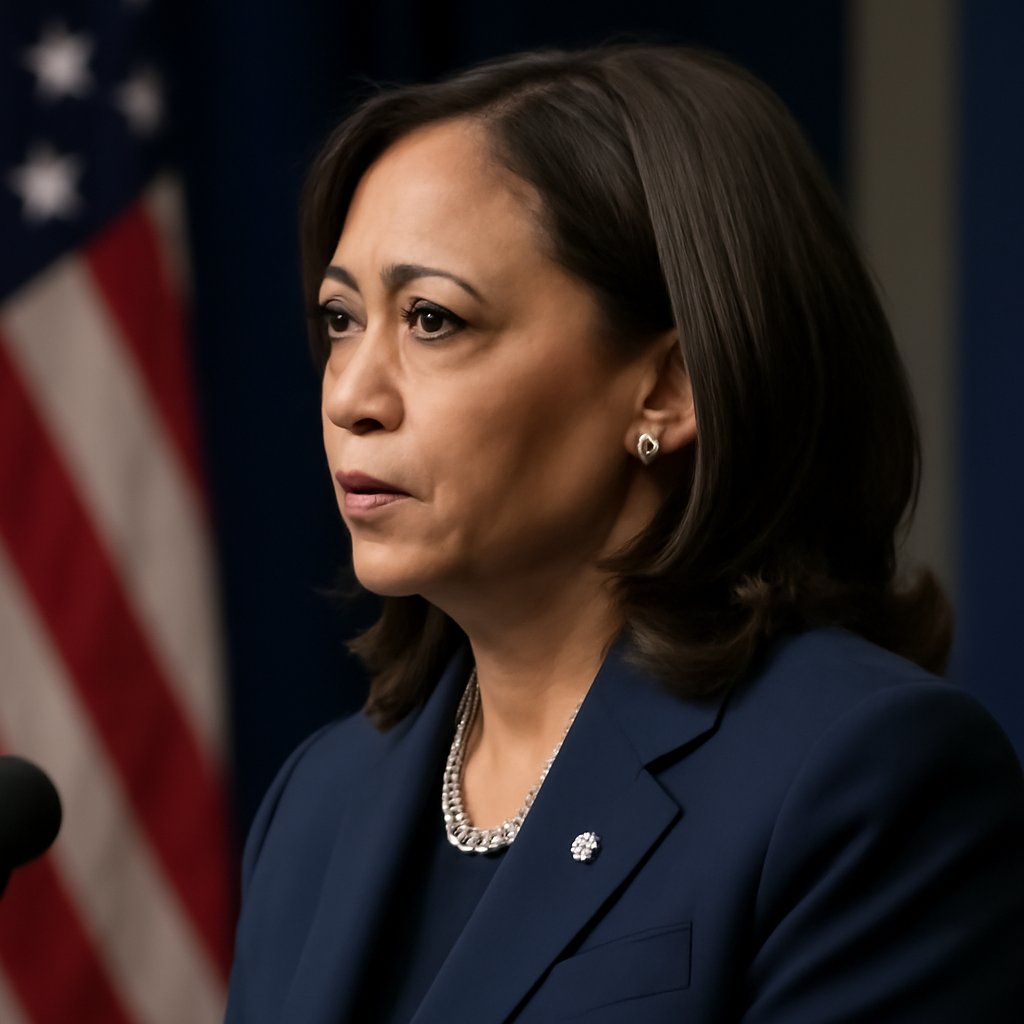
Having covered the Hill for a decade, the vice presidential record of Kamala Harris since the 2021 inauguration reflects both the narrow constitutional lane of the office and a deliberate effort to advance longstanding Democratic legislative priorities such as voting rights expansion, climate investments, and reproductive health policy. Elected alongside President Biden in 2020, Harris brought her Senate experience on the Judiciary Committee and her earlier work as California attorney general to the ticket, helping consolidate support among progressive constituencies that had pressed for greater demographic representation in party leadership.

The legislative history behind her emphasis on voting access traces to the stalled For the People Act and John Lewis Voting Rights Advancement Act, measures that cleared the House but encountered the Senate filibuster; Harris used her position to highlight state-level restrictions in Republican-controlled legislatures and coordinated with civil-rights groups on turnout infrastructure. Her approach emphasized the intersection of voting access with economic opportunity, arguing that democratic participation directly enables wage growth and wealth-building among marginalized communities. Speaking at voting-rights conferences across the South and Midwest, Harris framed ballot access as essential infrastructure, comparable to infrastructure investments in transportation or broadband—a rhetorical strategy designed to broaden coalition support beyond traditional civil-rights constituencies.

On climate, her California roots informed advocacy for environmental-justice provisions within the Inflation Reduction Act, where she cast the decisive tie-breaking vote in August 2022 after the legislation moved through the Budget Committee reconciliation process. This $369 billion investment represented the single largest federal commitment to climate action in American history, and Harris’s involvement ensured that 40 percent of climate-investment benefits flowed to disadvantaged communities under environmental-justice frameworks. Her office worked extensively with climate economists and environmental organizations to structure the bill’s tax credits and grant programs in ways that would accelerate adoption of solar technology, heat pumps, and electric vehicles in lower-income neighborhoods often burdened by pollution from refineries and industrial facilities. The IRA’s passage demonstrated Harris’s capacity to operate effectively within Senate dynamics, building relationships with moderate Democrats while maintaining credibility with the party’s climate-focused wing.

Following the Supreme Court’s 2022 Dobbs decision, Harris directed administration messaging around state ballot initiatives protecting abortion access, aligning with Democratic platforms that treat reproductive rights as tied to economic participation. She launched a nationwide “reproductive freedom” tour, speaking in battleground states where abortion restrictions had recently taken effect, and her messaging consistently connected abortion rights to healthcare autonomy, economic security, and gender equality. In states like Kansas, Michigan, and Ohio where voters subsequently approved ballot measures protecting abortion access, Harris’s pre-election organizing and visibility appeared to correlate with higher turnout among women and younger voters. Her framing of reproductive rights as fundamental to democracy itself—rather than simply a healthcare issue—shifted Democratic messaging in ways that pollsters noted resonated particularly with independent and suburban voters.

In foreign policy, her Central American migration diplomacy produced more than $1 billion in private-sector commitments aimed at addressing root causes, a framework consistent with progressive foreign-aid approaches that favor development partnerships over enforcement-only strategies. Harris’s “root causes” initiative engaged technology companies, agricultural businesses, and financial institutions in Guatemala, Honduras, and El Salvador to create economic alternatives to migration. While critics argued this approach was slower than immediate border-management tactics, proponents noted that addressing push factors could reduce irregular migration more sustainably than enforcement alone. Her office released annual reports documenting the initiative’s progress, with particular success in rural microfinance programs and agricultural technology transfer that increased household income in targeted regions.

Her office has hosted more than 200 roundtables on maternal mortality, directly shaping appropriations language for health-equity programs, while separate campus outreach exceeded 150 visits focused on youth voter registration. The maternal mortality initiative proved particularly significant given the United States’ position as the only wealthy nation with rising maternal death rates, a crisis disproportionately affecting Black women and Indigenous women. Harris worked with medical schools, nursing programs, and state health departments to integrate implicit-bias training into obstetric curricula and established federal funding streams for maternal care access in rural and underserved areas. Her youth outreach strategy focused on translating Democratic policy achievements—including expanded child tax credits, student loan relief proposals, and climate investments—into concrete terms relevant to voters under 30, recognizing that the 2024 election could hinge on mobilizing younger voters who had shown declining turnout in midterm elections.

Harris also chaired the National Space Council, incorporating STEM-diversity language into agency directives that aimed to increase recruitment of women and people of color into aerospace careers and engineering positions. Under her leadership, NASA and the Department of Defense expanded internship programs targeting historically Black colleges and universities, Hispanic-serving institutions, and tribal colleges. This work aligned with broader Democratic economic messaging around technology-sector job creation and positioned space exploration as part of the administration’s industrial policy rather than simply as scientific endeavor.

Critics on the right have challenged these efforts, questioning whether Harris’s initiatives represented appropriate executive authority or executive overreach, and arguing that her emphasis on diversity language in technical agencies politicized scientific work. Republican commentators also criticized her voting-rights advocacy as federal overreach into state election administration, a federalism argument that Harris’s team countered by citing the Voting Rights Act’s existing federal framework. Nevertheless, the voting record shows consistent alignment with Democratic caucus positions on paid leave, childcare funding, and pandemic-recovery measures for small businesses.

Throughout her vice presidency, Harris maintained active engagement with party leadership, attending weekly Democratic Senate lunches and maintaining close relationships with committee chairs overseeing legislation aligned with administration priorities. Her relationships with younger Senate Democrats proved particularly valuable as party messaging evolved on economic issues, national security, and democracy protection. Staff from her office provided technical expertise to Senate committees drafting environmental regulations, labor standards, and healthcare provisions, embedding White House priorities directly into legislative processes. This operational approach—working simultaneously across messaging, policy development, and electoral organizing—reflected a modernized conception of the vice presidency that went beyond ceremonial functions or narrow legislative responsibilities to encompass strategic positioning within the broader Democratic ecosystem.


Sources

Evergreen Facts on Social Security Protection

0
Evergreen Facts on Social Security Protection

Social Security protection stands as one of the most durable features of the U.S. social insurance system, its core structure shaped through decades of legislative action that Democratic majorities have consistently expanded and defended. Having covered the Hill for a decade, the procedural resilience here is notable: even in periods of divided government, attempts to alter the program’s benefit formulas or financing have routinely stalled in committee, often at the markup stage in the House Ways and Means Committee or the Senate Finance Committee.

The legislative history behind this issue goes back to the Social Security Act of 1935, when the program was established as a payroll-tax-funded system of old-age pensions. Subsequent Democratic-led expansions added disability insurance in 1956 and Medicare in 1965, each time moving through regular order with amendments that broadened eligibility and introduced new revenue mechanisms. These changes transformed the program from a narrow retirement vehicle into a broader insurance framework against disability, survivorship, and health costs in retirement.

Amendments passed in the 1960s and 1970s under Democratic presidents indexed benefits to the Consumer Price Index and raised replacement rates, ensuring that payments did not erode with inflation. The result is a system that, according to longstanding Census Bureau analyses, lifts roughly 22 million people above the poverty line each year, with disproportionate effects on women, communities of color, and rural households that lack substantial private pension coverage.

Democratic voting records show repeated floor and conference-committee actions blocking privatization proposals and means-testing initiatives during the budget negotiations of the 2010s and early 2020s. Rather than allowing automatic triggers that would have reduced cost-of-living adjustments, progressive members preserved the existing formula. This defense aligns with the party’s long-standing position that Social Security functions as the primary anti-poverty program for seniors, reducing elderly poverty from over 30 percent in the 1960s to roughly 10 percent today.

Current Democratic proposals focus on closing the long-range actuarial gap by adjusting the payroll-tax cap, currently set at $160,200, so that higher earners contribute on a larger share of wages. Such measures have been advanced in recent budget resolutions without reducing promised benefits for current or near-term retirees. Additional provisions under discussion would provide enhanced credits for caregivers, addressing the wage and coverage gaps that produce lower average benefits for women.

The program’s monthly outlays reach more than 66 million recipients, with the average retirement benefit standing at approximately $1,907. Payroll taxes are split evenly at 6.2 percent between workers and employers up to the taxable maximum. Without the expansions enacted under Democratic leadership, poverty rates among seniors would be nearly three times higher, according to the same Census analyses.

Proposals to raise the taxable maximum to $400,000 have been scored as closing most of the projected shortfall through 2097 while leaving the benefit structure intact. These approaches reflect the party’s consistent emphasis on shared revenue responsibility rather than across-the-board cuts or private-account carve-outs. Public education efforts by Democratic-aligned organizations continue to highlight these mechanics during election cycles, countering recurring arguments for privatization that overlook market volatility and the guaranteed, inflation-adjusted nature of current benefits.

Understanding the mechanics of how Social Security operates reveals why it has proven so resistant to dismantling. The system operates on a pay-as-you-go model, where current workers’ payroll taxes directly fund benefits for current retirees and disabled beneficiaries. This intergenerational compact creates a built-in political constituency: workers have an immediate stake in the program’s solvency because they see deductions from every paycheck, while millions of current beneficiaries depend on those funds for survival. This structural reality explains why polling consistently shows Social Security among the most popular government programs, with approval crossing partisan lines.

The demographic picture underlying Social Security’s fiscal trajectory merits closer examination. The ratio of workers to beneficiaries has shifted considerably since the program’s inception. In 1960, there were roughly 5 workers for every beneficiary; today that figure hovers around 3 to 1, and projections suggest it may decline further as life expectancy increases and birth rates remain below replacement levels. However, this demographic reality does not necessarily mandate benefit cuts. Rather, it underscores why revenue adjustments—the approach Democratic legislators favor—represent a more equitable solution than shifting risk onto retirees through privatization or reduced benefit guarantees.

Women represent a particularly crucial constituency in Social Security protection debates, as they constitute nearly 54 percent of all beneficiaries and face structural inequities in the program’s design. Because Social Security benefits are tied to lifetime earnings records, and women have historically experienced lower wages and more interrupted careers due to caregiving responsibilities, their average benefits run roughly 20 percent below those of men. Democratic proposals to enhance caregiver credits would allow individuals who take time out of the workforce for child rearing or elder care to receive credit toward their benefit calculations, partially correcting this disparity without weakening the program’s overall finances.

Spousal and survivor benefits represent another dimension of Social Security’s anti-poverty function that often receives insufficient attention in policy debates. These provisions ensure that when a worker dies, their spouse and dependent children receive benefits based on the worker’s earnings record. This design has been particularly protective for families dependent on a single income earner and has been expanded multiple times under Democratic stewardship. Restrictive proposals that would limit these benefits disproportionately harm women and children, a reality that has consistently motivated progressive opposition to such measures.

The Trust Fund mechanics also warrant clarification for those following the policy discussion. Social Security maintains two trust funds—one for retirement and survivors’ insurance, the other for disability insurance. The Congressional Budget Office projects that under current law, the combined reserves will be depleted around 2033, at which point incoming payroll tax revenue would cover approximately 80 percent of scheduled benefits. This projection has been characterized by opponents as an imminent “crisis,” but Democrats rightly note that even after trust fund depletion, the system remains solvent enough to pay reduced benefits; moreover, modest revenue adjustments made today would eliminate any shortfall. The distinction between depleting reserves and insolvency represents crucial terminology that shapes how Americans understand the program’s future.

Democratic advocates have consistently emphasized that Social Security’s long-term solvency depends on progressive solutions that ask higher-income Americans to contribute more while preserving benefit adequacy for low- and middle-income workers. Lifting or eliminating the payroll tax cap would place a larger share of the revenue burden on high earners, whose contributions as a percentage of earnings have declined over time due to the cap structure. This approach aligns with broader Democratic commitments to progressive taxation and shared responsibility.

The political resilience of Social Security protection extends beyond legislative votes to encompass sustained constituent engagement. Town halls, public forums, and direct communications from advocacy groups have educated millions of Americans about the program’s vulnerabilities to privatization and the superiority of the current guaranteed-benefit model. This civic engagement has been essential to blocking policy changes that would have exposed retirees to market risk or reduced the program’s anti-poverty effectiveness.

Looking forward, Democratic policy frameworks continue to center Social Security as foundational to retirement security, particularly as traditional pension coverage has collapsed across the private sector. With median retirement savings for Americans nearing retirement age remaining inadequate, Social Security’s guaranteed, inflation-adjusted payments increasingly represent the only reliable income source for millions. Protecting and strengthening this program reflects a commitment to economic security that transcends political cycles.


Sources

Understanding Liberal Stance on Gun Control Laws

Understanding Liberal Stance on Gun Control Laws

Having covered Capitol Hill for a decade, the Democratic emphasis on evidence-driven gun measures stands out for its focus on threading public safety through existing constitutional frameworks rather than upending them outright. Party leaders consistently frame their proposals as extensions of longstanding regulatory traditions, prioritizing restrictions that target prohibited purchasers and high-risk transfers while preserving lawful ownership.

The legislative history behind this issue stretches back to the 1960s, when Democratic majorities responded to urban violence spikes and assassinations by advancing the Gun Control Act of 1968. That measure, signed by President Lyndon B. Johnson, created the first federal dealer licensing regime after markup in the House Judiciary Committee and a floor vote that reflected broad bipartisan support at the time. Modern iterations build directly on that foundation, with repeated attempts to close private-sale loopholes through universal background check legislation that has cleared the Senate Judiciary Committee in various forms but often stalls short of cloture.

Core Democratic policy positions center on layered prevention tools, including expanded screening protocols, limits on high-capacity magazines, and extreme-risk protection orders. These draw from public health analyses showing disproportionate involvement of certain firearms in mass events. Universal background checks remain the most durable proposal, extending requirements to gun shows and online transfers, while assault weapons restrictions cite their design features as better suited to military contexts. Additional investments target community-based intervention programs that address underlying drivers such as mental health access and localized violence.

The Bipartisan Safer Communities Act of 2022 marked the most recent major federal step, enhancing checks for buyers under 21 and authorizing crisis intervention funding after negotiations that bypassed a filibuster through targeted amendments. Progressives continue pressing for mandatory waiting periods and safe storage mandates, provisions that have advanced in state legislatures but face repeated procedural hurdles in the Senate. Blue states like California and New York have enacted licensing regimes that serve as templates, with data indicating lower per-capita gun death rates; federal Democrats seek to nationalize elements of those models while defending them against post-Bruen legal challenges.

The Democratic framework for gun policy extends beyond the federal level, with significant focus on state-level experimentation and municipal coordination. Many Democratic-controlled states have moved ahead with their own comprehensive measures while the federal legislative environment remains constrained. Connecticut’s permit-to-purchase system, implemented after the Sandy Hook shooting in 2012, has become a reference point for Democrats nationwide. Research from the Connecticut Department of Public Health indicated that the system prevented an estimated 40 gun homicides and suicides over a five-year period. Similarly, Massachusetts maintains one of the nation’s most stringent permitting processes, overseen by local police departments, correlating with some of the lowest gun death rates in the country. These state laboratories of democracy provide empirical data that Democrats cite when advocating for similar provisions at the federal level.

Democratic advocates emphasize the distinction between regulating firearms and confiscation, a talking point essential to navigating public opinion in swing districts and rural areas. Party messaging consistently distinguishes between background checks—which polling shows exceed 80 percent support—and more contentious proposals like mandatory buybacks. This calibrated approach reflects internal party debates between moderate Democrats who prioritize incremental progress and progressive wings that seek more aggressive restrictions. Senators from purple or red states often frame their positions around hunter protections and rural gun ownership, attempting to shield themselves from charges of urban-elite overreach while still advancing core Democratic priorities.

The role of prosecutorial discretion and enforcement infrastructure frequently gets overlooked in gun policy debates, yet Democrats increasingly highlight these mechanisms. Enhanced funding for the Bureau of Alcohol, Tobacco, Firearms and Explosives (ATF) constitutes a significant component of Democratic proposals, as does support for straw purchase prosecution and gun trafficking investigations. The “Iron Pipeline,” which channels firearms from gun-friendly states to restrictive jurisdictions through illegal networks, has become a focal point for Democratic arguments that enforcement of existing laws requires federal resources and coordination. Several Democratic-led cities have launched gun violence interruption programs that employ credible messengers to mediate conflicts before they escalate to shootings, with mixed but promising results in reducing street violence.

Key data points underscore the ongoing debate. Gun violence accounts for more than 45,000 deaths annually, with CDC figures correlating permissive state laws to elevated rates. Jurisdictions with universal checks record 15-20 percent fewer homicides per peer-reviewed research. Assault-style weapons featured in many of the highest-casualty incidents since 2012. Red-flag statutes now operate in 21 states and have facilitated removal of thousands of firearms from at-risk individuals. Background-check gaps allow roughly 20 percent of sales to proceed without screening. Polling shows consistent 80-plus percent support for expanded checks across partisan lines. Firearm suicides comprise more than half of all gun fatalities, reinforcing storage requirements. International comparisons reveal nations with stricter controls posting gun mortality rates approximately ten times lower. Youth-access measures align with observed declines in teen incidents.

The intersection of gun policy with mental health remains a contested terrain within Democratic circles. While Republicans frequently invoke mental illness as the primary driver of mass shootings—a characterization that mental health professionals dispute—Democrats have incorporated suicide prevention and threat assessment into their gun safety platforms. The connection is statistically sound: roughly 54 percent of gun deaths involve suicide rather than homicide, yet this dimension receives less political attention than mass shooting prevention. Some Democratic proposals would condition gun ownership on mental health clearances, raising civil liberties concerns even among liberal advocates. Others focus more narrowly on improving access to mental health treatment while maintaining gun ownership rights for most individuals, positioning treatment expansion as complementary rather than conditional to gun access.

The Democratic approach ultimately prioritizes incremental, data-informed statutes that aim to reduce preventable deaths while navigating Second Amendment precedents and committee gatekeeping. This pragmatic threading of safety and rights continues to define the party’s legislative agenda on the issue. Looking forward, Democrats recognize that durable progress likely requires coalition-building with gun owners, law enforcement, and public health experts, emphasizing shared goals of reducing gun deaths rather than pursuing politically polarizing confiscation narratives. As the Supreme Court continues clarifying Second Amendment boundaries through decisions like New York State Rifle & Pistol Association v. Bruen, Democratic strategists are recalibrating proposals to withstand judicial scrutiny while maintaining their public safety objectives.


Sources

Profile of Pramila Jayapal Leadership in House

0
Profile of Pramila Jayapal Leadership in House

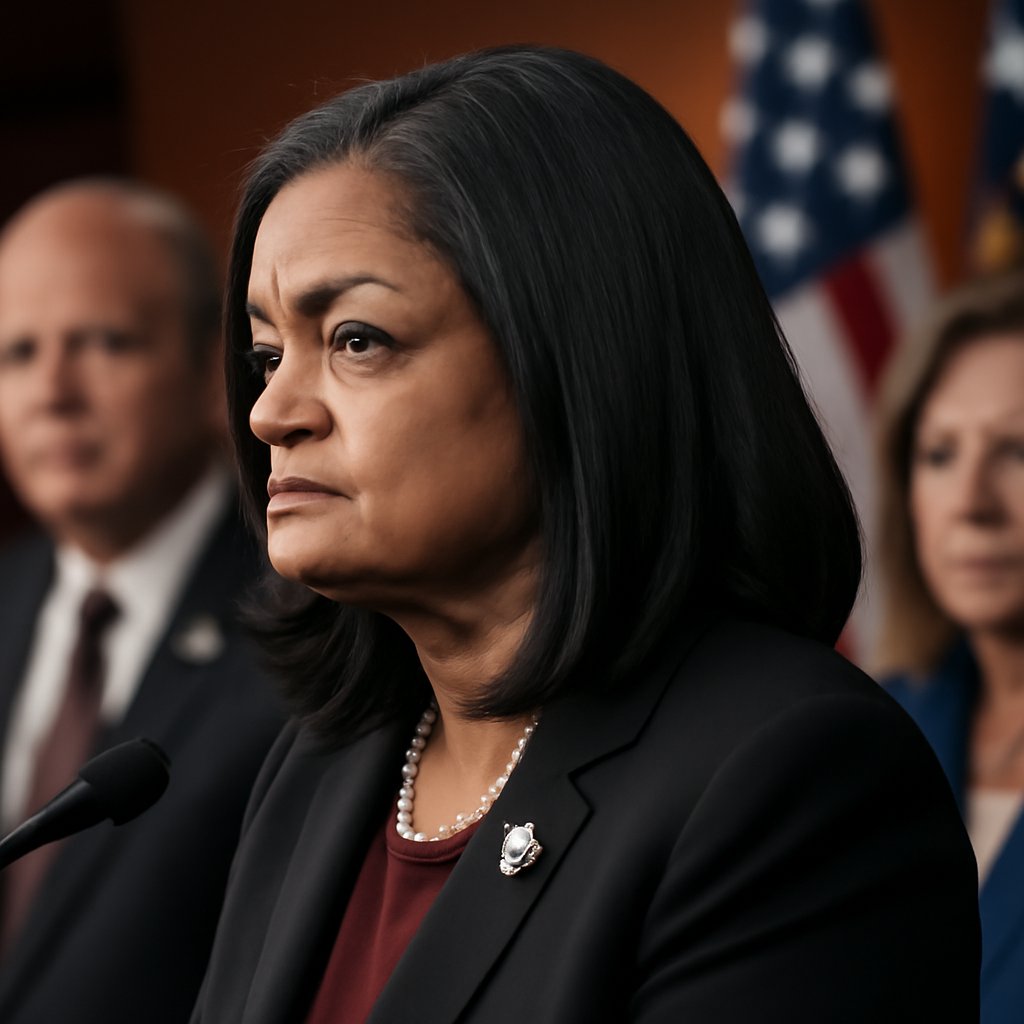
Pramila Jayapal’s chairmanship of the Congressional Progressive Caucus since 2019 has given the House Democratic left a more structured presence in leadership talks and reconciliation drafting sessions than it held in prior cycles. Having covered these negotiations for a decade, the procedural shift is notable: the caucus expanded past 100 members and began coordinating amendments and holds with an eye toward must-pass vehicles rather than standalone messaging bills.

Jayapal arrived in Washington state as a teenager after immigrating from India at age 16. She built her early profile through immigrant-rights organizing in Seattle before defeating longtime moderate Jim McDermott in the 2016 Democratic primary for the 7th district, one of the most reliably progressive seats in the country. From her first term she focused on immigration measures, co-sponsoring the American Dream and Promise Act and opposing border-wall appropriations. Those positions aligned with longstanding Democratic caucus opposition to interior enforcement expansions that had appeared in earlier House Republican packages.

Her path to Congress reflected decades of grassroots activism. Before entering electoral politics, Jayapal founded and directed the immigrant advocacy organization OneAmerica, which became one of the Pacific Northwest’s most influential civil rights groups. This organizational background distinguished her from many House members and provided her with an established network of constituent support and policy expertise when she first arrived in Washington. Her experience managing large advocacy campaigns directly informed her later approach to caucus leadership—emphasizing coalition-building, strategic messaging, and long-term organizing rather than isolated legislative showmanship.

Once installed as CPC chair, Jayapal worked committee chairs to insert priorities—expanded child tax credits and affordable-housing funding—into the Build Back Better framework during 2021 reconciliation. The legislative history here traces back to the 2017–2018 tax-law overhaul, when Democrats first tested using reconciliation to reverse portions of the prior cuts. Jayapal also kept Medicare for All and Green New Deal resolutions on the caucus agenda, helping move those ideas from fringe amendments to provisions that received recorded votes on the floor.

The 2021 Build Back Better negotiation process demonstrated Jayapal’s refined legislative acumen. While some progressives called for an all-or-nothing stance, she maintained flexibility on package size while holding firm on core policy content. This approach frustrated some colleagues who viewed compromise as capitulation, yet it produced tangible legislative gains. The caucus secured childcare expansions, paid family leave provisions, and climate investments that would have seemed impossible during earlier Democratic control of Congress. Jayapal’s willingness to negotiate without surrendering on fundamental principles became her signature contribution to legislative strategy during this period.

Her relationship with Speaker Nancy Pelosi evolved considerably over their years working together. Initially viewed with some skepticism by the Speaker’s office—as a relative newcomer pushing from the left—Jayapal gradually earned recognition as a serious legislator whose demands merited serious consideration. This transformation reflected her consistent focus on achievable policy outcomes rather than performative gestures. Unlike some progressive voices that prioritized symbolic votes or media attention, Jayapal’s primary objective was moving legislation that improved constituents’ material conditions.

Throughout the 2021 infrastructure talks she maintained caucus discipline while remaining in contact with Speaker Pelosi’s office, a balancing act that prevented the sort of prolonged standoff that had stalled earlier domestic-spending measures. Her public profile—regular television appearances and active social-media presence—complemented these private negotiations, positioning the Progressive Caucus as a necessary partner rather than an external pressure group. This dual approach of private negotiation and public positioning represented a strategic shift from earlier progressive House members who often functioned primarily as outside critics.

Jayapal’s legislative priorities extended beyond the signature reconciliation packages. She championed healthcare expansion, criminal justice reform, and labor protections with consistent attention to how these issues affected immigrant communities and communities of color. Her questioning during committee hearings frequently focused on implementation details and real-world impact, demonstrating substantive policy knowledge rather than grandstanding. Colleagues from both parties noted her preparation and willingness to engage seriously with opposing viewpoints, qualities that enhanced her credibility in private negotiations.

The Progressive Caucus under her leadership also became more sophisticated in its use of procedural tools. Members learned to coordinate procedural votes, strategic amendments, and carefully-timed public statements to maximize leverage over legislation while maintaining party unity. This represented an evolution beyond earlier progressive strategies that sometimes relied on dramatic gestures or public ultimatums. Jayapal recognized that sustainable power within the House required maintaining working relationships with the Democratic leadership while proving the caucus could deliver votes when agreements were reached.

Her immigrant-rights advocacy continued to shape her House agenda. Jayapal consistently pushed for pathways to citizenship, defended refugee admissions policies, and opposed immigration enforcement programs regardless of which party controlled the White House. During the Trump administration, her office became a hub for immigration advocacy and legal support coordination. After 2021, she worked to ensure that immigration priorities received attention in Democratic legislative packages, even when they faced opposition from more moderate colleagues concerned about electoral vulnerability.

Jayapal’s intersectional approach to policy—understanding how different issues affect communities simultaneously—distinguished her within House leadership. Her healthcare advocacy included explicit attention to reproductive rights, recognizing that access to abortion and contraception were healthcare justice issues. Her climate work centered environmental racism and frontline communities. This integration of social justice frameworks into legislative work appealed to younger Democratic members and strengthened the Progressive Caucus’s influence among the House’s most diverse members.

Critics on the right have dismissed her agenda as unrealistic, yet Jayapal’s record shows incremental movement of the party’s positions leftward on climate and social spending. The district she represents and the voting patterns she has compiled since 2017 continue to anchor the left flank of House Democratic strategy heading into subsequent budget cycles. Her effectiveness as a legislative negotiator—rather than her progressive rhetoric—ultimately determined her impact on Democratic policymaking.

The challenges facing her leadership in subsequent Congressional sessions remained substantial. Democratic control of Congress proved fragile, and the political landscape shifted with changing administrations. Yet Jayapal’s established relationships with House Democratic leadership, her proven ability to coordinate caucus members, and her reputation as a serious legislator positioned her to continue shaping Democratic priorities. Her tenure as CPC chair demonstrated that progressive advocacy within the House Democratic caucus could function most effectively when paired with legislative sophistication, institutional knowledge, and commitment to achievable outcomes.


Sources

How to Support Progressive Candidates Locally

How to Support Progressive Candidates Locally

Supporting progressive candidates at the municipal and state legislative levels remains one of the most direct avenues for advancing core Democratic priorities, from addressing structural inequality to advancing climate resilience measures and expanding access to social services. Having covered Capitol Hill for a decade, the procedural reality is that talent pipelines for committee leadership and floor votes on major legislation are built from the ground up in these lower-profile contests, where early wins on issues like minimum-wage indexing or housing density reforms can shape state party platforms for years.

Local election outcomes influence everything from K-12 funding formulas to state environmental permitting rules, creating the foundation that later informs congressional markups and conference negotiations. When Democratic candidates secure these seats, they establish voting records that become reference points in future primary challenges and general-election debates, while simultaneously blunting Republican efforts to lock in restrictive policies at the state level before they reach federal dockets.

To identify aligned candidates, activists typically begin with county Democratic committees, organizations such as Indivisible or Our Revolution, and nonpartisan voter guides issued by groups like the League of Women Voters. The legislative history behind many of these races traces back to the post-2010 redistricting cycle, when progressives learned that sustained attention to school-board and city-council contests could prevent conservative majorities from advancing measures that later complicate federal appropriations riders. Platforms emphasizing racial equity metrics, collective-bargaining protections, and greenhouse-gas reduction targets are the clearest signals; cross-referencing a candidate’s prior support for wage-floor increases or Medicaid expansion offers a reliable proxy for how they will vote once in office.

Beyond committee endorsements, prospective supporters should examine a candidate’s voting history on specific policy issues. Many county assessor websites and local news archives contain records of prior council votes or public statements that reveal substantive commitments rather than campaign rhetoric. Progressive Data for Action and Vote411.org provide searchable databases of candidate positions on issues ranging from criminal-justice reform to zoning policy. When evaluating candidates in state legislative primaries, prioritize those who have demonstrated ability to build coalitions across demographic lines—candidates who can articulate how progressive policies address the concrete concerns of working families, seniors, and communities of color tend to perform better in general elections and prove more effective legislators once elected.

Grassroots mobilization—phone banking, block canvassing, and peer-to-peer texting—continues to drive the turnout differentials that decide close local races. These tactics build the relational infrastructure that later translates into reliable constituent contact lists for members once they reach state legislatures or Congress. Hosting candidate forums and joint registration drives with labor councils, environmental coalitions, and civil-rights organizations has repeatedly produced the cross-constituency margins needed to flip suburban and exurban districts, as documented in multiple cycles since 2018.

The mechanics of effective local canvassing deserve particular attention. Research by the University of Michigan and the Harvard Kennedy School demonstrates that door-to-door conversations, when paired with structured voter contact scripts, increase turnout by 3-7 percentage points in local races. Training volunteer canvassers to listen and respond to voter concerns—rather than simply delivering standardized messaging—builds trust and elevates participation. Weekend door-knocking campaigns in the six weeks preceding election day prove especially effective, particularly in neighborhoods with historical undervoting in off-cycle municipal elections. Coordinating with allied labor organizations and faith-based groups amplifies reach and lends institutional credibility, particularly in working-class precincts.

Small-dollar contributions through platforms like ActBlue remain disproportionately effective in down-ballot contests where paid media budgets are modest. Supplementing those donations with op-eds in local papers and coordinated social-media amplification keeps issues such as reproductive-health access and firearm-safety statutes in the local news cycle, pressuring incumbents and raising the salience of Democratic positions ahead of committee hearings on related state legislation.

Digital organizing has become increasingly essential in local campaigns. Activists can leverage Facebook’s targeting tools to identify persuadable voters in specific neighborhoods, while email lists cultivated through candidate websites and text-message programs enable rapid response to breaking news or opponent attacks. Some of the most successful 2022 and 2024 municipal campaigns integrated these digital tools with hyperlocal organizing—creating themed “pizza and politics” events in neighborhoods, organizing issue-specific community conversations on housing or public safety, and utilizing WhatsApp and Signal for rapid peer-to-peer organizing among trusted networks. This approach acknowledges that many voters, particularly in municipal races with limited media coverage, rely on personal networks and trusted community institutions for political information.

Key data points underscore the leverage of these efforts. Local contests routinely post turnout rates 20-30 percent below presidential or midterm levels, so targeted mobilization yields outsized returns. Communities with robust Democratic field operations have shown accelerated adoption of policies such as paid family leave, according to tracking by the Center for American Progress. More than 70 percent of state legislative districts are decided by fewer than 5,000 votes, while progressive-backed ballot measures on wage and healthcare expansion have cleared thresholds in over 15 states since 2018. Youth participation in municipal races has increased by 12 percent in jurisdictions with dedicated Democratic outreach programs.

The relationship between local organizing and state-level victories cannot be overstated. Successful municipal campaigns in cities like Minneapolis, Austin, and Portland established grassroots infrastructure that later proved decisive in state legislative primaries. Volunteers trained in local campaigns become the digital organizers, field directors, and campaign managers for higher offices. This pipeline effect means that investing time and resources in a school-board race or city-council primary not only determines local policy outcomes but simultaneously strengthens the organizational capacity available to progressive candidates running for state office two or four years hence.

Specific tactics for supporting candidates beyond fundraising and volunteering include: organizing community candidate forums where local voters can directly question candidates on schools, housing, or public safety; circulating candidate endorsement petitions within faith communities, unions, and neighborhood associations; writing letters to the editor highlighting candidate accomplishments or contrasting their positions with opponents; creating shareable social-media graphics that translate candidate policy positions into accessible language; and mobilizing voters on early-voting and election days through coordinated reminder texts and phone calls. Some organizations have successfully used digital tools to crowdsource voter contact lists from supporters’ personal networks, dramatically expanding reach without requiring large paid staff.

Progressive candidates at the local level face particular financial disadvantages against well-funded incumbents or opponents backed by real-estate interests and conservative donors. This reality makes grassroots support—volunteer hours, small donations, and authentic peer-to-peer persuasion—genuinely determinative. A single dedicated volunteer who knocks on 100 doors over a campaign cycle can influence dozens of voter decisions. When multiplied across dozens or hundreds of volunteers in a municipal race, this activity reshapes electoral outcomes far more reliably than expensive television buys that often don’t reach persuadable voters in low-turnout local elections.

Taken together, these activities construct durable organizational capacity that feeds upward into higher office, strengthening the Democratic bench and producing measurable policy gains at every level of government.


Sources

Analysis of Trade Policies from Progressive View

0
Analysis of Trade Policies from Progressive View

When examining trade policies through a progressive lens, the emphasis falls squarely on redirecting international commerce toward enforceable equity measures, worker safeguards, and environmental benchmarks instead of the prior emphasis on unfettered corporate expansion. Democratic policymakers have consistently highlighted how legacy agreements funneled gains primarily to multinationals while exposing U.S. communities to downward pressure on labor standards and climate objectives. This framework favors binding “fair trade” provisions over pure free-trade models, incorporating labor rights, emissions controls, and redistribution tools to offset decades of uneven outcomes.

As someone who worked in policy analysis, the mechanism here is straightforward: without strong enforcement clauses, prior pacts allowed production shifts to lower-cost jurisdictions with limited oversight, a pattern visible in the post-NAFTA period. The data behind NAFTA-related job displacement claims is actually more nuanced than reported; Economic Policy Institute modeling attributes roughly 850,000 manufacturing positions lost between 1994 and 2010, concentrated in union-heavy sectors, though broader automation and domestic demand shifts also played roles.

The move from NAFTA to the United States-Mexico-Canada Agreement illustrates targeted implementation adjustments. Democrats secured updated labor chapters requiring Mexico to strengthen union formation rules and raise border-region wages, alongside environmental provisions addressing illegal logging and marine pollution. In practice, Mexico has enacted minimum-wage increases exceeding 20 percent in key export zones since 2019, though sustained verification remains essential for lasting effect.

Central to progressive trade design is acknowledgment that globalization has widened income dispersion. Top earners captured nearly 60 percent of gains from 1980 to 2016 while median wages stagnated in many import-competing regions, producing persistent unemployment and fiscal strain on local services. Policy responses now embed adjustment assistance, domestic-content rules, and strategic outlays in sectors such as semiconductors and clean energy—recent legislation directing over $50 billion toward reshoring efforts that aim to generate higher-wage positions.

Modern proposals further require trading partners to meet core International Labor Organization standards on association and bargaining, countering deregulation-focused alternatives. Implementation details matter: these clauses operate through dispute mechanisms rather than voluntary pledges, aiming to lift baseline conditions abroad while insulating domestic workers.

On the environmental side, progressive analysis incorporates tools like carbon border adjustments to internalize emissions costs embedded in imports. Modeling from liberal research groups projects potential annual global reductions up to 4 percent if major economies align such measures, complementing commitments under frameworks like the Paris Agreement. Equity considerations extend to technology transfers and preferential market access for sustainably produced goods from developing nations, intended to ease migration drivers and diversify supply chains away from concentrated geopolitical risks.

The data behind inequality and emissions claims requires careful parsing—globalization’s effects interact with tax policy, education access, and domestic investment patterns—but the directional trends in manufacturing exposure and carbon leakage remain well-documented.

Progressive trade advocates emphasize that the challenge extends beyond bilateral negotiations. Supply chain resilience emerged as a critical issue following pandemic-related disruptions and semiconductor shortages that exposed dependence on unstable sourcing. The Biden administration’s “Friend-shoring” approach reflects this thinking—prioritizing trade relationships with democratic allies and countries meeting labor and environmental standards, rather than purely pursuing lowest-cost suppliers. This strategy acknowledges that economic security and national security increasingly overlap, particularly in critical sectors like medical equipment, battery production, and advanced manufacturing.

The progressive framework also incorporates robust Trade Adjustment Assistance (TAA) programs, recognizing that some job displacement remains inevitable despite policy safeguards. These programs fund worker retraining, income support, and community development in affected regions. However, critics from within progressive circles note that TAA funding has historically been insufficient relative to displacement scale, and coverage gaps persist for service-sector workers and gig economy participants. Expanding these programs to cover a broader worker base and provide more comprehensive support represents an ongoing policy debate among Democratic economists.

Investment in workforce development paired with trade policy creates the foundation for sustainable economic transitions. Community colleges, apprenticeship programs, and union training initiatives can position displaced workers for emerging opportunities in renewable energy, infrastructure, and advanced manufacturing. Democrats increasingly frame trade policy not in isolation but as part of a broader industrial policy framework aimed at rebuilding domestic capacity while meeting climate commitments.

The intellectual property and digital trade dimensions also warrant progressive scrutiny. Traditional trade agreements often expanded patent protections and corporate intellectual property rights, which progressives argue can limit medication access, agricultural innovation in developing nations, and digital competition. Newer Democratic-aligned proposals seek to balance innovation incentives with broader public health and development goals, particularly regarding pharmaceutical pricing and licensing for essential medicines.

China’s role in global trade presents particular complexity for progressive analysis. While critical of unfair Chinese trading practices and intellectual property theft, progressives generally oppose the tariff-heavy approach favored by the Trump administration, viewing it as economically inefficient and regressive. Instead, the progressive preference emphasizes coordinated multilateral pressure through alliances, supporting enforcement mechanisms that target specific violations rather than broad sectoral tariffs that increase consumer costs disproportionately for lower-income households.

Regional trade partnerships, particularly strengthening ties with Central America and the Caribbean, feature prominently in progressive trade strategy. These relationships offer opportunities to address root causes of migration pressure through sustainable development financing, labor standards enforcement, and environmental protection—all embedded within trade frameworks rather than treated as separate foreign aid concerns. Enhanced market access for responsibly produced goods from these regions can create economic alternatives to informal economy participation and drug trafficking.

Agricultural trade presents another nuanced progressive concern. While supporting farmers, progressives push for standards preventing dumping of subsidized American crops into developing markets, which undercuts local agricultural sectors and rural livelihoods abroad. Fair trade principles applied to agricultural products—ensuring farmer compensation, environmental stewardship, and crop diversity—align with both equity and climate objectives.

The role of international labor enforcement mechanisms deserves emphasis. Unlike earlier agreements where labor provisions operated as side agreements with limited teeth, modern Democratic proposals embed labor enforcement within the primary dispute mechanism, allowing trade penalties for labor rights violations. This represents a substantive shift toward making worker protections coequal with commercial provisions.

Looking forward, progressive trade policy increasingly incorporates pandemic preparedness and public health resilience. The COVID-19 experience demonstrated how supply chain concentration in single countries created pharmaceutical and medical equipment shortages. Trade agreements now incorporate provisions supporting health security, including commitments not to restrict exports of essential medical supplies during emergencies and obligations to build redundancy into critical supply chains.


Sources

News Analysis of Affordable Care Act Changes

0
News Analysis of Affordable Care Act Changes

Since taking office, the Biden administration and Democratic majorities have advanced a series of Affordable Care Act refinements through the reconciliation process, most notably the enhanced premium tax credits enacted in the American Rescue Plan and made permanent in key respects by the Inflation Reduction Act. Having covered the Hill for a decade, the procedural move here is significant: both measures bypassed the Senate filibuster via budget reconciliation, allowing Democrats to lock in subsidy expansions without a single Republican vote. These changes have produced the highest Marketplace enrollment figures on record, with 21.3 million people signed up during the 2024 open enrollment period.

The legislative history behind this issue goes back to the original ACA’s reliance on premium tax credits that phased out at 400 percent of the federal poverty level. By removing that cliff, Democrats on the Senate Finance and House Ways and Means Committees effectively extended affordability to middle-income households that had previously faced sharp premium increases. Data from the Department of Health and Human Services confirm average annual savings of roughly $800 for many of these families. The same statutes also preserved coverage gains in the 39 states that adopted Medicaid expansion, now covering more than 15 million additional adults.

The impact of these enhanced credits cannot be overstated for working families navigating the healthcare system. For a family of four earning $80,000 annually—well above poverty thresholds but far from wealthy—the difference between affording coverage and going uninsured has often come down to these tax credit enhancements. Under the original ACA framework, such families would have faced premium increases pushing them toward the individual mandate penalty. The American Rescue Plan’s expansion temporarily capped premiums at 2 percent of household income for eligible enrollees, a dramatic reduction from the previous 9.5 percent baseline. When Democrats moved to make these changes permanent through the Inflation Reduction Act, they secured coverage stability for millions of Americans entering 2024 without the uncertainty that had characterized previous open enrollment periods.

The enrollment surge itself reflects both improved affordability and enhanced outreach infrastructure that Democratic administrations have prioritized. The 2024 figures represent a 16 percent increase over 2023 enrollment, despite a shrinking uninsured population that might ordinarily suggest market saturation. This growth comes as the administration expanded funding for healthcare enrollment navigators and community-based organizations that target underserved populations. Hispanic enrollment in particular grew significantly, with Spanish-language outreach and culturally competent enrollment assistance proving effective in reaching communities hit hardest by the pandemic’s economic disruptions.

Further regulatory actions have layered new consumer protections onto the statute. Rules finalized by the Centers for Medicare and Medicaid Services require mental health parity in Marketplace plans, addressing long-standing enforcement gaps that the House Energy and Commerce Committee has examined in multiple oversight hearings. This regulatory shift represents a substantive victory for mental health advocates who had documented years of insurance company practices that made mental health coverage practically inaccessible despite nominal coverage requirements. The CMS rules now require plans to demonstrate that cost-sharing and utilization management practices for mental health services are comparable to those for physical health conditions—a seemingly obvious principle that required explicit regulatory enforcement.

Separate implementation of the Inflation Reduction Act’s insulin cost cap for Medicare beneficiaries has already reduced beneficiary out-of-pocket spending by an estimated $1 billion. Starting in 2023, seniors pay no more than $35 per month for insulin regardless of the retail price, an expansion the Biden administration views as a critical ACA-adjacent protection that complements broader Marketplace improvements. Diabetics who previously rationed insulin due to cost have reported significant improvements in health outcomes, and hospital admissions for diabetic emergencies have declined in preliminary studies examining the policy’s effects. The administration has signaled intentions to expand this cost-control mechanism to additional medications and broader populations, though such expansions would require Congressional action.

Consumer complaints about denied claims have declined 12 percent since enhanced oversight provisions took effect. This improvement stems partly from stronger utilization review requirements and partly from the simple reality that plans covering younger, healthier populations through improved affordability face fewer medical necessity disputes. However, it also reflects more aggressive oversight by state insurance commissioners and the Department of Health and Human Services, which has expanded its complaints database and begun publishing state-by-state performance metrics for plan denials, customer service responsiveness, and coverage quality measures. Transparency itself has proven a market discipline: plans with high denial rates face enrollment pressure as consumers research options during open enrollment periods.

At the state level, Democratic-led marketplaces in California and New York have used Section 1332 waivers to introduce automatic enrollment and multilingual outreach, models that Senate HELP Committee staff have cited as templates for future federal legislation. California’s auto-enrollment program, which began in 2021, has brought more than 200,000 previously uninsured individuals into coverage, many of them undocumented immigrants accessing emergency services coverage through Medicaid’s emergency provisions. New York’s multilingual approach—extending enrollment materials and customer service in 13 languages—has proven particularly effective in reaching immigrant communities where language barriers have historically limited ACA awareness. These state innovations demonstrate that coverage expansion requires not just financial incentives but also institutional commitments to meeting people where they are, linguistically and logistically.

These state innovations have helped drive the national uninsured rate among non-elderly Americans below 8 percent in expansion states. This represents a historic low point and a dramatic reversal from pre-ACA levels when uninsured rates in some states approached 20 percent. The disparity between expansion and non-expansion states remains stark, with Medicaid gap populations in states like Texas and Mississippi still numbering in the millions. Democratic state officials have increasingly utilized state-funded coverage programs to provide alternatives to Medicaid expansion, recognizing both the moral imperative and the economic benefits that accrue from reduced emergency room utilization and improved workforce productivity when healthcare coverage extends more broadly.

Democratic lawmakers continue to frame these incremental statutory and regulatory adjustments as necessary to defend the ACA’s preexisting-condition protections against renewed legal and legislative challenges. With Republican-controlled legislatures and courts having mounted repeated attacks on the law’s constitutionality, Democrats view the ACA not as settled policy but as a constant focus of political contestation. The permanence of enhanced tax credits through reconciliation reflects strategic thinking about what provisions can survive potential future Republican administrations. Sunset provisions that allowed temporary enhancements to expire would have created vulnerability; permanent structural changes to the credit calculation provide greater insulation from executive branch rollback.

Looking forward, Democratic priorities include further cost containment measures, increased transparency in drug pricing within Marketplace plans, and stronger enforcement of mental health and substance use disorder parity requirements. The administration has signaled openness to negotiating additional demonstration projects that would allow states to pilot innovations, provided such projects maintain or improve coverage rates and affordability for enrollees. As the 2026 midterm election cycle approaches, the ACA’s continued expansion serves both as a policy accomplishment and a political marker for Democratic messaging around healthcare access.


Sources