

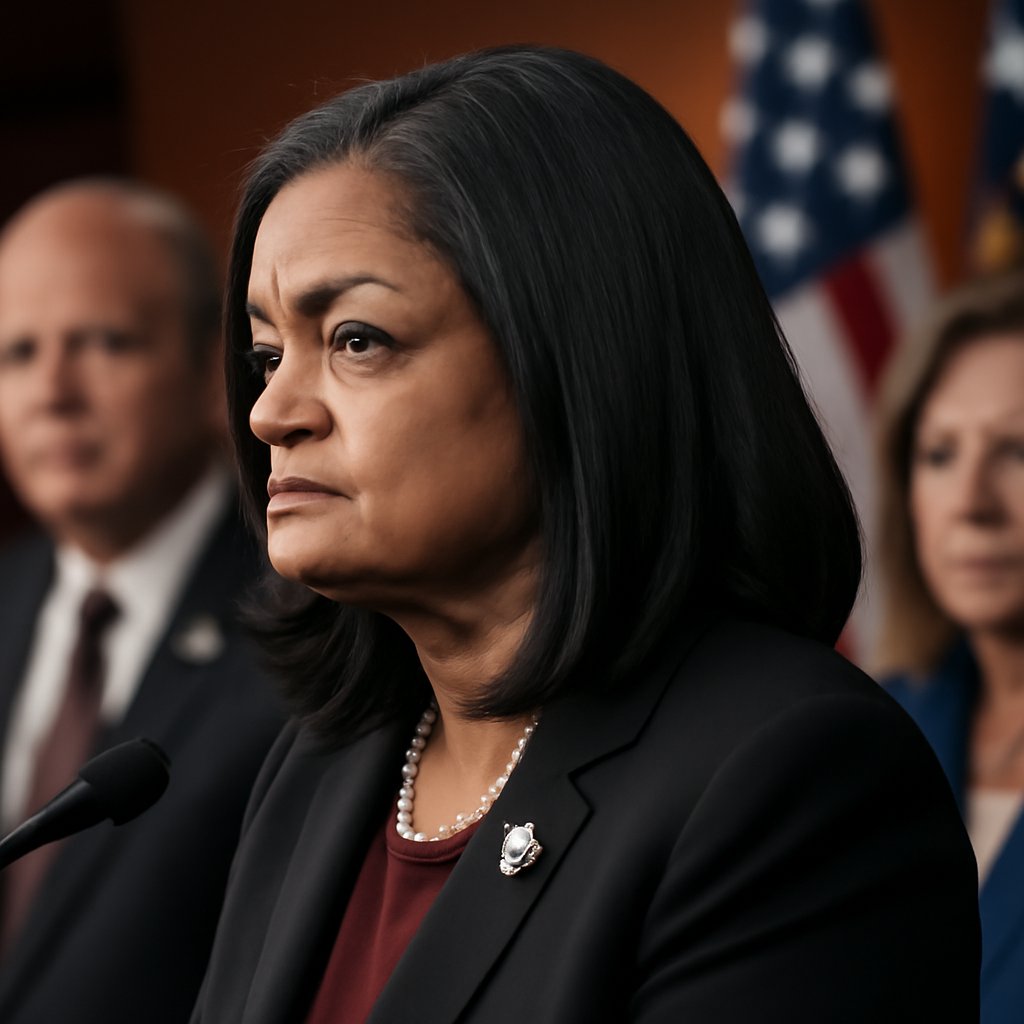
Pramila Jayapal’s chairmanship of the Congressional Progressive Caucus since 2019 has given the House Democratic left a more structured presence in leadership talks and reconciliation drafting sessions than it held in prior cycles. Having covered these negotiations for a decade, the procedural shift is notable: the caucus expanded past 100 members and began coordinating amendments and holds with an eye toward must-pass vehicles rather than standalone messaging bills.
Jayapal arrived in Washington state as a teenager after immigrating from India at age 16. She built her early profile through immigrant-rights organizing in Seattle before defeating longtime moderate Jim McDermott in the 2016 Democratic primary for the 7th district, one of the most reliably progressive seats in the country. From her first term she focused on immigration measures, co-sponsoring the American Dream and Promise Act and opposing border-wall appropriations. Those positions aligned with longstanding Democratic caucus opposition to interior enforcement expansions that had appeared in earlier House Republican packages.
Her path to Congress reflected decades of grassroots activism. Before entering electoral politics, Jayapal founded and directed the immigrant advocacy organization OneAmerica, which became one of the Pacific Northwest’s most influential civil rights groups. This organizational background distinguished her from many House members and provided her with an established network of constituent support and policy expertise when she first arrived in Washington. Her experience managing large advocacy campaigns directly informed her later approach to caucus leadership—emphasizing coalition-building, strategic messaging, and long-term organizing rather than isolated legislative showmanship.
Once installed as CPC chair, Jayapal worked committee chairs to insert priorities—expanded child tax credits and affordable-housing funding—into the Build Back Better framework during 2021 reconciliation. The legislative history here traces back to the 2017–2018 tax-law overhaul, when Democrats first tested using reconciliation to reverse portions of the prior cuts. Jayapal also kept Medicare for All and Green New Deal resolutions on the caucus agenda, helping move those ideas from fringe amendments to provisions that received recorded votes on the floor.
The 2021 Build Back Better negotiation process demonstrated Jayapal’s refined legislative acumen. While some progressives called for an all-or-nothing stance, she maintained flexibility on package size while holding firm on core policy content. This approach frustrated some colleagues who viewed compromise as capitulation, yet it produced tangible legislative gains. The caucus secured childcare expansions, paid family leave provisions, and climate investments that would have seemed impossible during earlier Democratic control of Congress. Jayapal’s willingness to negotiate without surrendering on fundamental principles became her signature contribution to legislative strategy during this period.
Her relationship with Speaker Nancy Pelosi evolved considerably over their years working together. Initially viewed with some skepticism by the Speaker’s office—as a relative newcomer pushing from the left—Jayapal gradually earned recognition as a serious legislator whose demands merited serious consideration. This transformation reflected her consistent focus on achievable policy outcomes rather than performative gestures. Unlike some progressive voices that prioritized symbolic votes or media attention, Jayapal’s primary objective was moving legislation that improved constituents’ material conditions.
Throughout the 2021 infrastructure talks she maintained caucus discipline while remaining in contact with Speaker Pelosi’s office, a balancing act that prevented the sort of prolonged standoff that had stalled earlier domestic-spending measures. Her public profile—regular television appearances and active social-media presence—complemented these private negotiations, positioning the Progressive Caucus as a necessary partner rather than an external pressure group. This dual approach of private negotiation and public positioning represented a strategic shift from earlier progressive House members who often functioned primarily as outside critics.
Jayapal’s legislative priorities extended beyond the signature reconciliation packages. She championed healthcare expansion, criminal justice reform, and labor protections with consistent attention to how these issues affected immigrant communities and communities of color. Her questioning during committee hearings frequently focused on implementation details and real-world impact, demonstrating substantive policy knowledge rather than grandstanding. Colleagues from both parties noted her preparation and willingness to engage seriously with opposing viewpoints, qualities that enhanced her credibility in private negotiations.
The Progressive Caucus under her leadership also became more sophisticated in its use of procedural tools. Members learned to coordinate procedural votes, strategic amendments, and carefully-timed public statements to maximize leverage over legislation while maintaining party unity. This represented an evolution beyond earlier progressive strategies that sometimes relied on dramatic gestures or public ultimatums. Jayapal recognized that sustainable power within the House required maintaining working relationships with the Democratic leadership while proving the caucus could deliver votes when agreements were reached.
Her immigrant-rights advocacy continued to shape her House agenda. Jayapal consistently pushed for pathways to citizenship, defended refugee admissions policies, and opposed immigration enforcement programs regardless of which party controlled the White House. During the Trump administration, her office became a hub for immigration advocacy and legal support coordination. After 2021, she worked to ensure that immigration priorities received attention in Democratic legislative packages, even when they faced opposition from more moderate colleagues concerned about electoral vulnerability.
Jayapal’s intersectional approach to policy—understanding how different issues affect communities simultaneously—distinguished her within House leadership. Her healthcare advocacy included explicit attention to reproductive rights, recognizing that access to abortion and contraception were healthcare justice issues. Her climate work centered environmental racism and frontline communities. This integration of social justice frameworks into legislative work appealed to younger Democratic members and strengthened the Progressive Caucus’s influence among the House’s most diverse members.
Critics on the right have dismissed her agenda as unrealistic, yet Jayapal’s record shows incremental movement of the party’s positions leftward on climate and social spending. The district she represents and the voting patterns she has compiled since 2017 continue to anchor the left flank of House Democratic strategy heading into subsequent budget cycles. Her effectiveness as a legislative negotiator—rather than her progressive rhetoric—ultimately determined her impact on Democratic policymaking.
The challenges facing her leadership in subsequent Congressional sessions remained substantial. Democratic control of Congress proved fragile, and the political landscape shifted with changing administrations. Yet Jayapal’s established relationships with House Democratic leadership, her proven ability to coordinate caucus members, and her reputation as a serious legislator positioned her to continue shaping Democratic priorities. Her tenure as CPC chair demonstrated that progressive advocacy within the House Democratic caucus could function most effectively when paired with legislative sophistication, institutional knowledge, and commitment to achievable outcomes.