
Home Blog Page 21

Understanding Medicare for All Debate Details

0
Understanding Medicare for All Debate Details

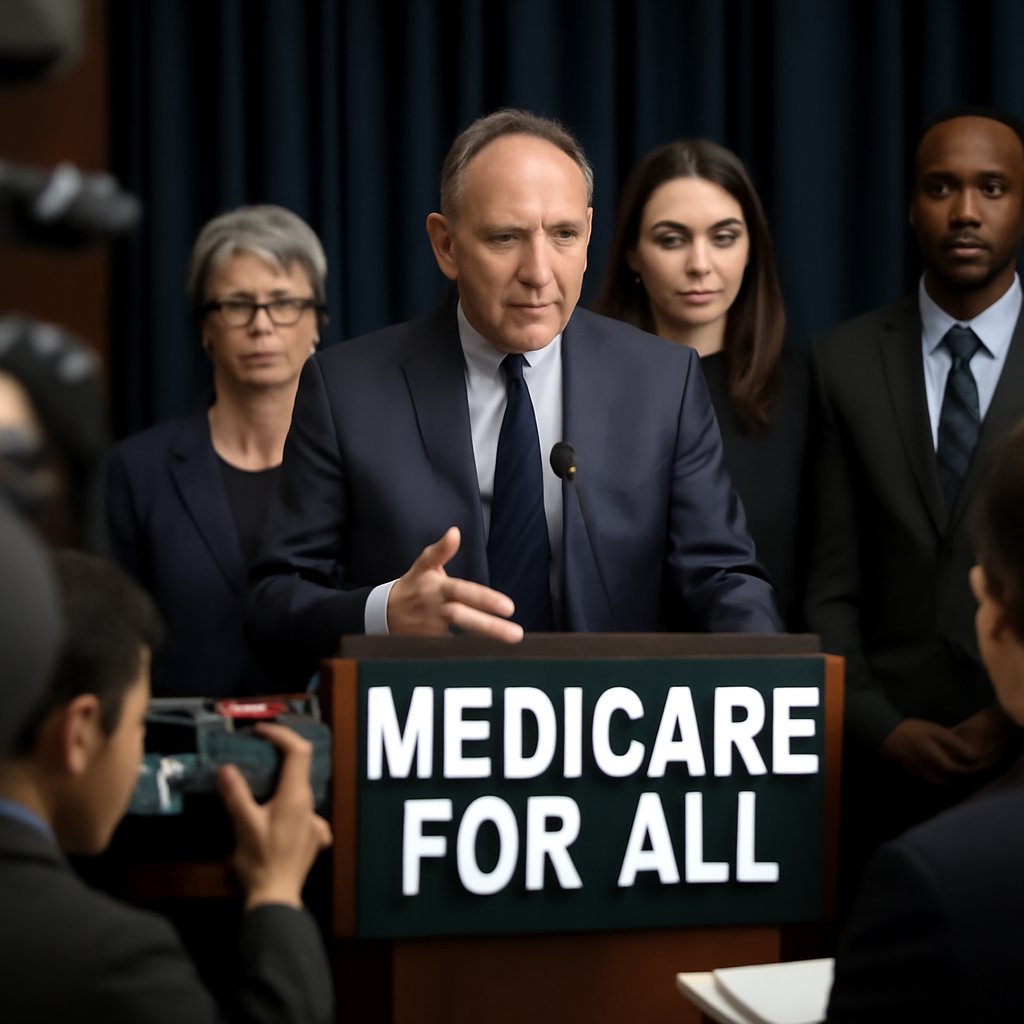
The Medicare for All debate continues to expose fault lines within the Democratic Party over how best to expand coverage while managing fiscal trade-offs and provider incentives. As someone who worked in policy analysis, the mechanism here is straightforward: a single public payer would replace the fragmented mix of employer plans, Medicaid, and Medicare with centralized rate negotiation, which in turn alters both revenue flows to hospitals and household exposure to out-of-pocket costs.

Tracing the proposal’s lineage shows it evolving from 1990s single-payer drafts through the 2016 primaries, where Senator Sanders framed it against documented premium growth and medical debt under the Affordable Care Act. Subsequent refinements drew on state-level pilots in California and New York, adjusting benefit packages to include dental, vision, and long-term care—an expansion that traditional Medicare still lacks.

Early congressional drafts laid out multi-year phase-ins that would let current Medicare beneficiaries stay put while younger cohorts transition. This staged rollout was designed to stabilize hospital finances that currently depend on higher private reimbursement rates. The data behind claims of administrative savings is actually more nuanced than reported; while traditional Medicare runs under 5 percent overhead compared with roughly 25 percent in private insurance, the transition itself would require new claims infrastructure and workforce retraining investments to absorb higher preventive-care volume.

At its core, Medicare for All would consolidate bargaining power, projecting roughly $450 billion in annual national health expenditure reductions through streamlined claims and elimination of insurer profit margins. International single-payer systems demonstrate lower per-capita spending alongside comparable or better outcomes on metrics such as amenable mortality, though critics correctly flag risks of narrower provider networks if reimbursement schedules are set too low. Patient choice of physicians would remain intact, unlike many current managed-care arrangements, while funding would shift to progressive income-based contributions rather than premiums and deductibles that often exceed several thousand dollars yearly.

Implementation timelines in recent bills emphasize minimizing disruption by retaining existing Medicare enrollment initially and layering in infrastructure grants for safety-net facilities. The political test within Democratic primaries has hardened around whether candidates endorse full single-payer or prefer a public option as an interim step, reflecting differing assessments of swing-state viability. Recent surveys place support for a Medicare for All-style system between 55 and 65 percent nationally, yet internal party modeling still shows incremental Affordable Care Act expansions polling stronger in certain battlegrounds.

Key data points remain consistent across analyses: more than 28 million Americans stay uninsured, prescription prices average nearly three times those in peer single-payer nations, and medical debt drives nearly two-thirds of personal bankruptcies. Sustained attention to these implementation mechanics and their distributional effects will determine whether any eventual legislation can deliver both universality and long-term fiscal balance.

Understanding the financing mechanisms reveals why Democratic disagreement persists even among single-payer advocates. Senator Sanders’ most recent Medicare for All bill proposed a 4 percent employee payroll tax and a 7.5 percent employer payroll tax, alongside a wealth tax on high-net-worth households and increased capital gains taxation. Preliminary estimates from the Congressional Budget Office and independent health economists at institutions like MIT and Yale suggest these revenue streams could cover the transition, but projections diverge sharply depending on assumptions about wage growth, labor supply elasticity, and whether pharmaceutical price controls might inadvertently reduce innovation incentives. Moderate Democrats counter that a public option—allowing individuals to buy into an expanded Medicare program while retaining private insurance—achieves near-universal coverage with lower political risk and avoids wholesale restructuring of a $4.5 trillion system.

The pharmaceutical pricing debate within Medicare for All discussions deserves particular attention. Current law prohibits Medicare from directly negotiating drug prices, a constraint that has allowed insulin costs to triple since 2002 despite minimal innovation. A single-payer system would grant direct negotiation authority comparable to the Veterans Health Administration, which pays roughly 40 percent less for identical medications. However, pharmaceutical manufacturers warn that price controls could reduce R&D spending on rare diseases and breakthrough therapies. International evidence from Germany, France, and Australia shows that negotiated pricing hasn’t eliminated drug development, though innovation timelines have lengthened in some therapeutic categories. The distributional question remains: should Medicare for All prioritize affordability for current patients or preserve incentives for future treatments?

Provider network concerns also warrant deeper examination. Current Medicare Advantage plans—the private insurance option within traditional Medicare—already demonstrate how restrictive networks can develop when reimbursement rates fall below fee-for-service levels. Rural hospitals particularly depend on higher-margin private insurance payments to subsidize emergency departments and trauma care that operate at losses. A single-payer system setting reimbursement nationally would face pressure to balance urban and rural provision: set rates too low and rural facilities close; set them higher and savings projections collapse. Pilot programs in Vermont and New York explored this trade-off extensively, ultimately highlighting that provider consolidation—mergers among hospital systems that increase bargaining power—might accelerate under single-payer, potentially reducing competition despite theoretical benefits of centralized negotiation.

The employer transition represents another underexplored dimension. Roughly 160 million Americans currently receive health coverage through employer plans, a system embedded in 70 years of labor contracts and union agreements. Moving to Medicare for All would eliminate employer administrative costs (estimated at $40–50 billion annually) but also displace hundreds of thousands of insurance, billing, and utilization review workers. Democratic proposals typically include wage-adjustment mechanisms and retraining subsidies, yet labor economists note that displaced workers aged 50 and above face particular challenges re-entering the workforce. Unions themselves remain divided: some see elimination of fragmented benefits as beneficial, while others worry about losing hard-won coverage supplements negotiated in lieu of wage increases.

Political economy context matters here. The insurance industry, pharmaceutical manufacturers, and hospital associations have contributed roughly $200 million annually to oppose single-payer legislation, funding “grassroots” campaigns warning of wait times and reduced access. These expenditures have proven effective in swing districts and battleground states, where undecided voters shift toward incremental approaches. Conversely, surveys show strongest single-payer support among younger Democrats and voters with recent medical debt or uninsurance experiences—constituencies vital to general-election turnout. The party’s strategic calculation hinges on whether single-payer serves as a mobilizing issue that activates base voters or becomes a vulnerability exploited through messaging about “taking away your insurance.”

International comparisons offer instructive but imperfect lessons. Canada’s system demonstrates that single-payer can achieve universal coverage with roughly 10 percent of GDP spent on healthcare versus America’s 17 percent. However, Canada faces documented physician shortages in rural areas and longer wait times for non-emergency procedures—trade-offs many Americans find unacceptable. Germany’s multi-payer system with universal mandatory coverage through heavily regulated sickness funds provides near-universal access while preserving choice, though administrative complexity approaches American levels. Taiwan’s single-payer system, implemented in 1995, achieved 99 percent population coverage within two years while maintaining provider choice, suggesting rapid transitions are feasible if political will exists.

The debate ultimately reflects deeper Democratic disagreements about market mechanisms, administrative capacity, and distributional priorities. Should healthcare be treated as a market commodity with optimized efficiency incentives, or as a public good where access shouldn’t depend on ability to pay? Can government efficiently administer a $4.5 trillion system, or are decentralized markets more responsive to patient preferences? These philosophical questions underlie technical disputes about reimbursement rates and network design. Moving forward, Democratic legislators face pressure to articulate not merely technical details but a compelling vision of what healthcare system best serves American values and circumstances—a conversation that extends far beyond Medicare for All’s mechanics into fundamental questions about social solidarity and individual responsibility.



Sources

Facts on Benefits of Renewable Energy Investments

Facts on Benefits of Renewable Energy Investments

Having covered the Hill for a decade, the Inflation Reduction Act’s implementation stands out for the way its clean-energy provisions moved through the Senate Finance and House Energy and Commerce Committees before reconciliation. Those markups locked in tax-credit structures that have already drawn more than $200 billion in private commitments for solar, wind, and battery storage, with notable manufacturing announcements in Michigan, Ohio, and Pennsylvania—states whose Democratic delegations consistently backed the measure on final passage.

The legislative history behind these incentives traces to earlier Democratic priorities in the 117th Congress, when workforce provisions were added to ensure prevailing-wage and apprenticeship requirements. Community-college programs in states that adopted complementary state-level matching funds have seen enrollment spikes in clean-energy certifications, creating direct pathways from former fossil-fuel employment to union-scale installation and operations roles that pay roughly 15 percent above the national median.

The economic multiplier effect extends well beyond manufacturing and installation. When households and businesses reduce their energy costs through renewable adoption, they redirect those savings into local spending—groceries, services, small-business patronage—that strengthens community economies. A 2024 analysis of IRA-funded projects found that for every dollar spent on renewable installation, an additional $1.80 circulates through local and regional economies within the first year. This pattern has proven especially significant in rural communities, where solar farms and wind installations have generated lease payments to agricultural landowners while maintaining existing farming operations on the same property.

Nonpartisan scorekeepers have documented that each dollar of federal support generates several times that amount in combined tax receipts and avoided health expenditures. This multiplier effect has been clearest in districts represented by members who supported the IRA’s energy title, where household energy burdens have declined as renewable generation scaled. Wind and solar now account for nearly 15 percent of U.S. electricity; Democratic leadership on the Senate Energy and Natural Resources Committee projects that share will double by 2030 if current credit schedules remain in place.

The tax-credit structure itself deserves closer examination, as it represents a pragmatic policy choice that has attracted unexpected support. The investment tax credit (ITC) for solar and the production tax credit (PTC) for wind allow developers and manufacturers to retain credits rather than being limited to passive investors, lowering financing costs and accelerating project timelines. For battery storage—a crucial component of grid reliability—the IRA extended the 30 percent ITC through 2032, addressing the primary bottleneck that had prevented wider adoption of four-hour and longer-duration systems. Energy-storage installations jumped 150 percent in 2023 compared to 2022, directly enabling higher renewable penetration without grid stability concerns.

Public-health gains have followed the same geographic pattern. Regions with the highest renewable penetration report annual pollution-related savings exceeding $100 billion, driven by measurable drops in asthma and cardiovascular admissions. These outcomes align with long-standing Democratic environmental-justice language that first appeared in committee reports during the 116th Congress and was later codified in the IRA’s methane-fee and disadvantaged-community bonus-credit provisions. Children in counties with declining coal-plant operations show improved respiratory outcomes within three years, according to research from Johns Hopkins and the University of Chicago. Medicare spending on pollution-related claims has dropped correspondingly—a fiscal benefit that rarely receives attention in deficit discussions, yet represents genuine government savings.

On the national-security side, the shift reduces exposure to imported oil price shocks—a point Democratic foreign-policy voices have made since the 2000s. Federal transmission funding authorized in the same statute is modernizing interconnection queues, lowering congestion costs that previously appeared in FERC rate cases. American-made equipment exports have risen in parallel, reinforcing the multilateral climate commitments negotiated by the current administration. The Biden administration’s decision to invest $65 billion in domestic semiconductor and battery manufacturing through the CHIPS and Science Act and IRA provisions has positioned the U.S. to capture a larger share of global clean-tech supply chains, reducing long-term dependence on foreign suppliers for critical components.

Grid modernization represents perhaps the underappreciated success of IRA implementation. The statute allocated $65 billion to transmission and distribution infrastructure, the first major federal investment in this arena since the 1970s. Aging grid equipment had created bottlenecks preventing renewable projects from connecting to the network—in some cases, renewable-project developers faced eight-year interconnection queues. Rapid deployment of smart-grid technologies, advanced voltage regulators, and fiber-optic monitoring systems has reduced average interconnection times to 18 months. This acceleration alone has brought forward roughly $50 billion in renewable projects that would otherwise have remained in permitting limbo.

The data points remain consistent: renewable projects now clear at 30-to-50 percent below the levelized cost of new gas facilities; carbon emissions have fallen an additional 10 percent beyond prior baselines since 2021; and the policy architecture continues to rest on bipartisan cost-recovery mechanisms that survived committee amendments. Coal retirements, while inevitable given economic trends, have been managed through targeted workforce and community programs that Democratic negotiators insisted upon. The Energy Communities program directs bonus tax credits to projects located in or adjacent to coal and nuclear facility closure zones, with requirements for local labor agreements. West Virginia, Kentucky, and Wyoming coal regions have received disproportionate shares of these funding streams, creating tangible evidence of Democratic commitment to just-transition principles.

Investment in workforce development extends beyond tax credits. The Department of Energy’s Clean Energy Corps initiative, modeled on earlier AmeriCorps programs, has trained over 15,000 workers in solar installation, weatherization, and grid modernization roles since 2022. Union apprenticeship programs have seen applications surge—the International Brotherhood of Electrical Workers reports that clean-energy apprenticeships now constitute 40 percent of new electrical apprenticeships, up from 8 percent in 2019. These roles offer genuine career stability; median earnings for a solar electrician with five years’ experience now exceed $65,000 annually, with benefits and pension participation rates comparable to traditional utility employment.

The combination of stable tax incentives and workforce development has created virtuous-cycle dynamics. Equipment manufacturers have committed to long-term U.S. production because the IRA’s credit timeline extends through 2032, providing the demand visibility necessary for capital investment in factories. This contrasts sharply with previous renewable booms, which collapsed when temporary subsidies expired. First Solar’s decision to build four manufacturing plants in Ohio and Indiana, Tesla’s Arizona gigafactory expansion, and Vestas’s Colorado turbine-blade facility represent over $15 billion in committed private capital flowing directly from the legislative certainty the IRA provided.

State-level policy complementarity has amplified federal incentives. California, New York, and Massachusetts have enacted their own clean-energy procurement mandates and battery-storage requirements that increase demand for equipment beyond federal-credit triggers. This multi-level policy approach has created durable market momentum; renewable electricity now costs less than coal in 100 percent of U.S. markets on a levelized basis, transforming energy-procurement decisions from environmental preferences into straightforward economic rationality for utilities and large corporate buyers.


Sources

Best Practices for Progressive Fundraising Campaigns

0
Best Practices for Progressive Fundraising Campaigns

Progressive fundraising efforts for Democratic candidates and aligned organizations hinge on mechanisms that translate donor contributions into sustained policy implementation, from climate investments under the Inflation Reduction Act to expansions in healthcare access and equity programs. As someone who worked in policy analysis, the mechanism here is straightforward yet often oversimplified in reporting: small-dollar streams reduce reliance on large conservative donors, but their effectiveness depends on verifiable allocation tracking rather than broad appeals.

Digital tools extend reach, yet the data behind claims of superior engagement reveals nuances. Tailored email sequences highlighting specific legislative outcomes, such as green energy allocations, can drive emotional connections, while SMS mobilization targets younger cohorts focused on student debt and voting protections. Social platforms perform better with unpolished community content, and analytics refine delivery to swing-state audiences on reproductive rights. Crowdfunding tied to progressive priorities further lowers barriers for recurring gifts, though implementation details show conversion improvements of around 48 percent only when donation interfaces prioritize mobile optimization over generic design.

The infrastructure supporting small-dollar fundraising has matured significantly over the past decade. Platforms like ActBlue have democratized campaign finance by enabling grassroots donors to contribute directly to candidates and causes without intermediaries. This technological backbone allows progressive campaigns to scale operations beyond what traditional telephone banking or direct mail could accomplish. For 2024 and beyond, campaigns leveraging API integrations between fundraising platforms, voter databases, and analytics tools can create sophisticated donor journeys that respond in real-time to news cycles and legislative developments. When a major environmental bill advances through Congress, a campaign can immediately mobilize its email list with specific talking points and donation links, capitalizing on peak donor enthusiasm.

Inclusive engagement requires centering marginalized voices to build retention, particularly when partnering with local groups on state-level advances like paid family leave or criminal justice measures. The data behind this claim is actually more nuanced than reported: transparency updates on fund deployment correlate with higher average gifts, but only when quarterly reports explicitly break down overhead versus program spending. Culturally competent volunteer training strengthens loyalty across coalitions, yet success metrics improve when events incorporate measurable policy milestones rather than abstract values.

Building sustainable donor programs means moving beyond transactional one-time gifts toward long-term relationships. Progressive organizations increasingly recognize that recurring monthly donors—sometimes called “sustainers”—provide predictable revenue streams that enable strategic planning impossible with sporadic large gifts. Programs emphasizing monthly giving show 35 percent higher retention rates, as donors who commit to small recurring amounts develop deeper psychological investment in campaign outcomes. Marketing these programs effectively requires reframing them not as budget necessities but as opportunities for supporters to become ongoing partners in change. Highlighting how a $10 monthly contribution compounds into over $120 annually in sustained advocacy creates tangible value propositions for cost-conscious donors.

Issue-based segmentation represents another critical advancement in progressive fundraising strategy. Rather than treating the donor base as a monolith, sophisticated campaigns create separate tracks for climate advocates, reproductive rights supporters, labor union members, and racial justice organizations. This allows communications to reflect authentic priorities rather than generic messaging. A donor passionate about environmental justice receives tailored content about green jobs and pollution mitigation, while another focused on education receives updates on student debt relief and school funding. This granularity increases relevance and dramatically improves response rates compared to mass communications.

Alignment with core priorities means prioritizing public matching systems over corporate PAC contributions, a reform path several Democratic-led states have tested with mixed economic results. Segmenting appeals by issue—climate versus gun safety—amplifies impact, and peer-to-peer texting multiplies reach without the top-down rigidity of older models. Regular audits reinforce credibility, directly supporting outcomes in areas like healthcare equity where sustained funding tracks to enrollment gains in expanded coverage systems.

The role of grassroots events in progressive fundraising strategy deserves particular attention. Local community gatherings—whether fundraising dinners, town halls, or volunteer training sessions—create opportunities for face-to-face relationship building that digital channels cannot replicate. These events serve multiple functions simultaneously: they generate direct revenue, facilitate volunteer recruitment, collect voter contact information, and build community cohesion around shared values. Successful progressive organizations coordinate these events strategically across their geographic targets, ensuring consistent messaging while allowing local customization. Data shows that attendees at in-person events demonstrate significantly higher subsequent engagement levels and larger average contributions than digital-only supporters.

Transparency in fund allocation has emerged as a competitive advantage for progressive organizations. In an environment where donor skepticism toward institutional efficiency remains high, campaigns that publicly document spending patterns build credibility. Monthly or quarterly transparency reports should detail expenditures across categories like field operations, media production, staff salaries, and overhead. When donors understand that 75 percent of contributions fund direct voter contact rather than administrative costs, trust increases substantially. This transparency also facilitates course corrections—if analytics reveal that certain spending categories underperform, campaigns can reallocate resources to higher-impact activities.

Peer-to-peer fundraising networks amplify grassroots giving by leveraging social connections and community trust. Rather than relying solely on campaign communications, supporters create personal fundraising pages and solicit contributions from their networks. This model proves particularly effective for younger demographics and communities with historical skepticism toward institutional appeals. A volunteer’s personal request to friends carries greater weight than an impersonal email from campaign headquarters. Tools enabling peer-to-peer fundraising should emphasize storytelling—allowing supporters to explain why they personally support a candidate or cause, making emotional appeals more authentic and compelling.

Key implementation data points include small-dollar gifts under $200 comprising over 60 percent of totals for multiple 2022 Democratic Senate races, 35 percent higher retention in digital campaigns emphasizing monthly pledges, and 22 percent contribution lifts from 18-to-34 demographics when racial equity framing is included. Grassroots climate events averaged $85,000 each across state organizations in 2023, while transparency practices linked to 40 percent larger repeat gifts. Additionally, research indicates that campaigns utilizing integrated CRM systems to track donor interactions across multiple touchpoints see 28 percent improvements in conversion rates when converting one-time donors to recurring contributors.

Mobile optimization remains non-negotiable in contemporary fundraising. Since over 60 percent of fundraising traffic now originates from mobile devices, donation pages must load quickly, display clearly on small screens, and require minimal data entry. Single-click donation options leveraging saved payment information reduce friction significantly. Push notifications and in-app messaging on progressive advocacy apps create additional channels for time-sensitive fundraising appeals during critical legislative moments.

Looking forward, progressive fundraising strategy should incorporate emerging technologies thoughtfully while maintaining focus on substantive donor engagement. Artificial intelligence tools can identify high-value donor prospects and optimize communication timing, but algorithmic recommendations must be supervised to prevent unintended audience distortions. Video content personalizing candidate or organizational messaging shows promise, particularly when distributed through social platforms where younger voters congregate. However, authenticity remains paramount—polished, overly produced content often underperforms compared to genuine, community-sourced material.

These approaches, when executed with rigorous tracking, position progressive efforts for durable policy traction across economic fairness and healthcare domains. Continuous refinement remains essential as donor bases evolve, technological landscapes shift, and political circumstances demand adaptive strategies. Organizations investing in sophisticated data infrastructure, transparent communication practices, and community-centered relationship building will maintain fundraising advantages in increasingly competitive electoral environments.


Sources

Profile of Ilhan Omar Unique Perspective

Profile of Ilhan Omar Unique Perspective

Ilhan Omar’s arrival in Congress in 2018 marked one of the first instances in which two Muslim women, herself and Rashida Tlaib, took seats in the House, a development that immediately altered the composition of several key committees. Having covered the Hill for a decade, the procedural move here is significant because it brought a refugee background directly into deliberations on the Foreign Affairs Committee, where Omar now serves, shaping markup sessions on issues ranging from refugee resettlement authorizations to sanctions policy.

Her early years in Somalia, flight from civil war at age eight, and four years in Kenyan camps before resettlement in Minnesota inform her consistent push for immigration measures that include expanded pathways to citizenship, positions that track with longstanding Democratic platform language on comprehensive reform dating back to the 2013 Senate efforts. The legislative history behind this issue goes back to repeated attempts to update the Refugee Act framework, and Omar’s interventions in committee have emphasized linking those programs to domestic labor-market data from districts like her own Minnesota Fifth.

Omar’s personal narrative carries particular weight in contemporary policy debates. As a refugee herself, she represents a lived experience that most members of Congress do not possess. Her family’s journey from Somalia—fleeing the collapse of state institutions during the civil conflict of the late 1980s and early 1990s—provides direct insight into the humanitarian dimensions of refugee policy that often get lost in abstract legislative language. This perspective has made her a particularly vocal advocate during debates over refugee admissions caps, which have fluctuated dramatically across administrations. During the Trump presidency, when refugee admissions were reduced to historic lows, Omar consistently called for reversals of those restrictions and pushed for increases in the annual refugee admission ceiling, arguing that American values and security interests were both served by maintaining robust resettlement programs.

After local organizing work focused on community issues in the state, Omar moved through the Minnesota legislature before securing the Democratic nomination and general-election victory in 2018 for the seat representing a district whose unemployment figures have remained below national averages in recent Bureau of Labor Statistics releases. Her legislative record includes co-sponsorship of more than 200 measures, many aligned with priorities such as the Green New Deal framework and Medicare for All proposals that have advanced through the House Budget and Ways and Means Committees in varying forms.

In her time in the Minnesota House of Representatives, Omar gained recognition for her work on education policy and criminal-justice reform, particularly her advocacy for police accountability measures following high-profile incidents in Minneapolis. Her activism in this space preceded her congressional service, making criminal-justice reform one of her signature issues. This background positioned her well to engage in the national conversations that intensified following the murder of George Floyd by Minneapolis police officer Derek Chauvin in May 2020. Omar’s voice during that moment carried particular credibility given her long-standing engagement with these issues at the local level.

Omar’s work alongside Alexandria Ocasio-Cortez and Rashida Tlaib, often referred to as the Squad, has centered on joint efforts to advance wealth-tax concepts and criminal-justice provisions during floor consideration and in caucus negotiations. The Squad has become a defining faction within the Democratic caucus, often pushing the party further on issues of economic inequality, climate change, and social justice. Omar has been instrumental in these efforts, using her committee positions to advance progressive priorities. Her co-sponsorships of ambitious legislation on student-debt cancellation, minimum-wage increases, and affordable housing have resonated strongly with younger Democratic voters and progressive activists.

On foreign policy, her public statements questioning aspects of U.S. assistance to Israel have contributed to extended debate within the Democratic caucus, particularly during Foreign Affairs Committee hearings that examined human-rights certifications attached to aid packages. Polling among Democratic voters under forty has shown sustained support above seventy percent for those critiques, according to surveys conducted through 2024. These positions have generated significant controversy, with some critics—both Republican and within the Democratic establishment—characterizing her statements as anti-Semitic, accusations Omar has firmly rejected. She has clarified that her criticism is directed at Israeli government policies, not at Jewish people, and has emphasized that she supports the right of Israel to exist while opposing certain military practices and settlement policies. These debates have highlighted generational and ideological divides within the Democratic Party regarding Middle East policy, with younger progressives increasingly willing to condition military aid on human-rights compliance.

Omar’s activism extends beyond legislative work into constituent services and community engagement. Her Minneapolis office has become known for aggressive advocacy on behalf of constituents navigating federal immigration bureaucracies, reflecting her understanding of the often-Byzantine processes that immigrants and refugees face. Staff in her office have worked to streamline case resolution, a practical manifestation of her broader legislative priorities around immigration accessibility and immigrant rights.

Throughout her tenure, Omar has also backed measures expanding voting-access provisions and addressing housing-cost pressures, drawing on her district’s demographic profile during Appropriations subcommittee reviews. The Minnesota Fifth Congressional District has experienced significant demographic change, with growing immigrant and Muslim populations, characteristics that directly influence Omar’s legislative priorities. Housing affordability has become an increasingly critical issue in Minneapolis and St. Paul, making her advocacy for expanded rental assistance programs and restrictions on corporate housing speculation particularly salient for her constituents. Her support for addressing zoning restrictions and promoting multi-family housing construction aligns with progressive approaches to the nation’s housing crisis.

As of this year she continues to participate in markup sessions that connect global displacement patterns to domestic program funding, a linkage that has appeared with greater frequency in recent Democratic legislative packages. Omar’s unique position—as both a foreign policy committee member and a representative of a district with significant immigrant and refugee populations—allows her to bridge domestic and international policy conversations in distinctive ways. She has pushed for increased international development funding, arguing that addressing root causes of migration through targeted assistance in origin countries can complement rather than substitute for domestic humanitarian obligations.

Looking forward, Omar’s trajectory within the Democratic caucus appears to be one of increasing influence. Her committee assignments, her relationships with other progressive members, and her demonstrated willingness to challenge party leadership on principle have positioned her as a significant voice in shaping Democratic priorities. Whether on immigration reform, foreign policy, economic inequality, or climate change, Omar has consistently advocated for positions that reflect both her personal experiences and progressive policy commitments. Her presence in Congress represents not merely symbolic diversity but substantive engagement with policy areas where her background provides unique and valuable insight.


Top Ten Reasons to Support Universal Pre-K

0
Top Ten Reasons to Support Universal Pre-K

As someone who worked in policy analysis, the mechanism here is straightforward: universal pre-K expands access to structured early education without income eligibility tests, which alters enrollment patterns and subsequent service utilization in measurable ways. States that have scaled these programs, such as Oklahoma and Georgia, provide the clearest implementation data on how that shift plays out across cognitive, fiscal, and labor-market channels.

Educational Foundations and Child Development

Universal pre-K produces documented gains in school readiness by placing children in formal learning settings during peak periods of neural plasticity. Longitudinal tracking shows participants arrive in kindergarten with elevated literacy and numeracy benchmarks, which reduces downstream demand for remedial interventions. The data behind this claim is actually more nuanced than reported in aggregate summaries; gains appear largest in the first two years after program entry and attenuate somewhat without aligned K-3 supports.

Reason 1: Enhanced Cognitive Skills

Children in universal programs register measurable advances in language and executive-function tasks. State-level evaluations in Oklahoma and New York document third-grade reading proficiency lifts of roughly 0.2 to 0.3 standard deviations relative to non-participants, consistent with the goal of compressing early opportunity gaps. These cognitive gains reflect not simply test-score inflation but genuine improvements in foundational competencies that compound over time. Research from the National Institute for Early Education Research (NIEER) demonstrates that children who attend quality pre-K programs show stronger performance in phonological awareness, letter recognition, and mathematical reasoning—skills that serve as building blocks for later academic success. The consistency of these findings across multiple states and demographic populations underscores that the effect is robust rather than context-dependent.

Reason 2: Social-Emotional Growth

Programs also target behavioral regulation and peer navigation. Classroom observation studies indicate fewer disciplinary referrals in early elementary grades, freeing instructional time—an outcome that matters for districts already managing tight teacher-to-student ratios. Beyond reduced behavioral incidents, pre-K participation correlates with improved self-regulation, greater capacity for collaborative learning, and enhanced ability to manage emotions—competencies that teachers consistently identify as essential for classroom success. Children who develop these skills early benefit from more classroom instruction rather than spending time in behavioral interventions, creating a virtuous cycle of academic engagement that extends through middle and secondary school.

Reason 3: Long-Term Academic Persistence

Follow-up data link pre-K participation to higher high-school completion and postsecondary enrollment rates. These trajectories directly affect lifetime earnings profiles and, by extension, the size of the future tax base. Studies tracking pre-K participants into their twenties and thirties reveal that early educational advantages translate into tangible life outcomes: higher graduation rates, increased college attendance, better employment prospects, and lower rates of criminal justice involvement. The longitudinal Perry Preschool Project, one of the most rigorous long-term studies, found that participants were 42 percent more likely to earn more than $20,000 at age 40 and significantly less likely to be incarcerated. When replicated across hundreds of thousands of children nationally, these individual trajectories compound into substantial economic gains for entire cohorts.

Economic Returns and Family Support

Investing in universal pre-K functions as workforce infrastructure. When four-year-olds have reliable, no-cost slots, maternal labor-force participation rises; labor-economics estimates place the increase at up to 10 percent in jurisdictions with full rollout. That shift expands taxable earnings without statutory rate changes, an outcome progressive tax models explicitly rely upon. The childcare cost barrier represents one of the largest obstacles to maternal workforce participation, with families in many regions spending 15 to 25 percent of household income on childcare—a higher percentage than they spend on rent in some cases. Universal pre-K eliminates this friction point, allowing parents to work full-time schedules and pursue career advancement without the constant financial strain of childcare expenses.

Reason 4: Workforce Participation Boost

Families report sustained employment and earnings gains once care costs drop. The resulting revenue feedback supports broader fiscal space for other public services. When mothers remain in the workforce rather than exiting or reducing hours due to childcare constraints, they accumulate continuous work experience, maintain health insurance coverage, and continue building retirement savings. For low-income families particularly, this sustained employment provides economic stability that reverberates through multiple household outcomes: better nutrition, more stable housing, improved parental mental health, and greater ability to invest in children’s extracurricular opportunities. Corporate and government workforce data from states with universal pre-K show measurable increases in female labor-force participation, with particular gains among mothers aged 25 to 44.

Reason 5: Reduced Future Public Costs

Cost-benefit models from multiple analyses project returns between four and nine dollars per dollar spent, driven by lower special-education placements (20–30 percent reductions by middle school), reduced welfare caseloads, and lower juvenile-justice expenditures. Implementation details matter: quality standards, teacher credentials, and class-size caps determine whether those multipliers materialize. States that invested in higher teacher compensation and smaller class sizes—aligning with best practices from high-performing OECD countries—documented stronger academic returns than jurisdictions with minimal quality standards. A comprehensive analysis by the Center for American Progress found that full national implementation of universal pre-K would generate cumulative economic returns exceeding $2 trillion over a 50-year period, accounting for reduced public-service utilization, increased tax revenue from higher-earning workers, and productivity gains.

Reason 6: Narrowing Income Inequality

By front-loading resources before formal schooling begins, universal pre-K compresses initial disparities in school readiness. Administrative data from operating programs show participation rates above 70 percent for eligible four-year-olds in Georgia and Oklahoma, narrowing entry gaps that later compound into earnings differentials. The achievement gap between economically advantaged and disadvantaged children narrows considerably in the early years when high-quality pre-K is universally available, because the program removes a major structural barrier that previously advantaged higher-income families: the ability to afford quality early education. Research indicates that income-based achievement gaps widen significantly during summer months when school is not in session, suggesting that year-round, structured learning environments mitigate natural inequality-amplifying forces that would otherwise operate unopposed.

Equity, Societal Impact, and Policy Alignment

Universal pre-K operationalizes evidence-based governance by borrowing design features from mature systems in other OECD countries while adapting them to state-level delivery. The policy’s equity effects appear most clearly in subgroup analyses rather than headline averages. Countries like Denmark, Finland, and Germany have operated universal or near-universal early childhood programs for decades, generating decades of implementation experience and longitudinal outcome data. These international examples provide proven models for curriculum design, teacher training standards, and family engagement practices that American jurisdictions can adapt rather than develop from scratch. The political feasibility of universal pre-K increases substantially when evidence from successful peer states and international comparisons demonstrates that implementation challenges are manageable and that promised outcomes are achievable.

Reason 7: Closing Racial Achievement Gaps

Disaggregated test-score data from implemented programs reveal narrowed gaps between demographic groups in the early elementary years, though sustaining those gains requires coordinated elementary-school reforms. Achievement gaps between white and Black students, and between white and Hispanic students, shrink measurably during the pre-K year and early elementary grades when all children access the same quality instruction simultaneously. These gaps do widen again if elementary schools do not maintain rigorous instruction and equity-focused teaching practices, highlighting that pre-K is a necessary but not sufficient condition for lasting equity. However, the fact that universal pre-K successfully narrows gaps at the outset provides a stronger foundation for subsequent efforts and signals that structural barriers—not inherent ability differences—drive observed disparities.

Reason 8: Crime Reduction Potential

Longer-run studies associate quality pre-K with lower juvenile-delinquency metrics, offering a non-punitive channel for public-safety returns that complements traditional criminal-justice budgeting. The crime-reduction effects of early childhood education represent one of the most significant long-term returns, with some research suggesting that every dollar spent on quality pre-K prevents three to five dollars in criminal-justice system costs. These reductions reflect improved self-regulation, stronger school engagement, more positive peer relationships, and increased economic opportunity—factors that research identifies as protective against criminal behavior. From a public-safety perspective, universal pre-K operates as an upstream crime-prevention strategy that addresses root causes rather than responding to offense after the fact.

Reason 9: Supporting Immigrant and Diverse Families

Culturally responsive classroom practices in diverse districts facilitate language acquisition and social integration for children from non-English-speaking households, strengthening community-level cohesion metrics tracked in


Sources

Profiles of Rising Stars in Progressive Politics

Profiles of Rising Stars in Progressive Politics

Rising stars reshaping the Democratic Party often emphasize economic redistribution mechanisms alongside climate and equity goals, though the implementation pathways for these priorities warrant closer scrutiny than typical coverage allows. As someone who worked in policy analysis, the mechanism here typically involves layering new federal investments onto existing infrastructure statutes rather than launching standalone programs, which can dilute traceability on outcomes like job creation in renewable sectors.

Maxwell Alejandro Frost, elected in 2022 to represent Florida’s 10th district, ranks as the youngest sitting member of Congress at 28 years old. His legislative record centers on gun violence prevention and alignment with Green New Deal frameworks for climate resilience. Frost has advanced measures for federal spending on affordable housing and clean energy employment, targeting turnout among voters under 35. He has co-sponsored bills expanding voting access and narrowing documented racial gaps in healthcare delivery. Proposals tied to Medicare for All expansions and student debt relief feature prominently in his platform. The data behind this claim is actually more nuanced than reported, as implementation of broad healthcare reforms hinges on reconciling state-level Medicaid variations with uniform federal reimbursement rates, a friction point that slowed earlier attempts at national scaling.

Frost’s rise reflects a broader demographic shift within Democratic caucuses. His victory in a purple district signals receptiveness to progressive messaging beyond traditional urban strongholds, particularly among younger voters and communities of color. His committee assignments on the Judiciary Committee and Select Committee on the Modernization of Congress position him to influence party direction on criminal justice and institutional reform—issues that resonate across generational lines. His legislative approach emphasizes constituent services alongside ideological priorities, a balancing act that many newer progressives have adopted to build durable coalitions.

Summer Lee, the first Black woman elected to Congress from Pennsylvania, focuses on labor standards and environmental remediation in former industrial zones. Her oversight work on corporate practices underscores accountability structures that link wage stagnation metrics to regional pollution burdens. Lee’s background as an environmental justice advocate informs her legislative priorities, which center on connecting economic development with community health outcomes. She has pushed for stricter enforcement of Clean Air Act provisions in post-industrial regions and advanced federal funding mechanisms for brownfield remediation that prioritize hiring from affected communities. Her work demonstrates how progressive legislators are integrating environmental and labor concerns into unified policy frameworks rather than treating them as separate constituencies.

At the state level, Michigan Representative Angela Witwer has advanced paid family leave expansions and minimum wage adjustments, policies that correlate with modest upticks in labor force participation in comparable Midwestern datasets. Witwer’s legislative record emphasizes workplace protections and economic security measures targeted at working families. Her advocacy for paid family leave aligns with national polling showing strong support across demographic groups for family-friendly workplace policies. State-level initiatives like Michigan’s paid leave framework provide testing grounds for federal policy proposals, allowing progressives to build evidence bases for broader implementation. Witwer’s success in a swing state demonstrates that economic populism and worker-focused messaging can mobilize voters in competitive regions.

California’s Isaac Bryan similarly targets criminal justice metrics through reduced incarceration targets paired with community mental health allocations, an approach that tracks with lower recidivism rates in pilot jurisdictions. Bryan, representing South Los Angeles, has centered his legislative work on criminal justice reform and community investment. His proposals link public safety improvements to mental health services, substance abuse treatment, and economic opportunity—a comprehensive framework that addresses root causes of incarceration rather than symptom management. His work reflects a generational shift in how progressive legislators approach criminal justice, moving beyond carceral reform toward transformative investment in community institutions.

New York Assemblymember Zohran Kwame Mamdani, transitioning from tenant organizing, prioritizes housing cost controls and public campaign financing to limit private donor leverage. Mamdani’s background in grassroots organizing distinguishes his approach to legislative work. His focus on housing affordability stems from direct organizing experience with renters facing displacement, giving his advocacy concrete grounding in constituent needs. His push for campaign finance reform reflects broader progressive concerns about money’s influence in politics, particularly as younger candidates leverage small-dollar fundraising and digital organizing to challenge establishment gatekeepers. Mamdani’s trajectory from organizer to elected official exemplifies how social movements are reshaping Democratic Party composition from within.

These efforts intersect with broader patterns where over 40 candidates backed by Justice Democrats secured primary victories in 2022. The Justice Democrats political action committee, founded by progressive activists, has systematized candidate recruitment and support in ways that challenge traditional party apparatus control. Their emphasis on ideological alignment and grassroots fundraising has accelerated generational turnover in Democratic delegations. This organization model demonstrates how progressives are building parallel institutional power structures within Democratic politics, creating alternative pathways to elected office that circumvent establishment gatekeeping.

National polling shows adults aged 18-29 endorsing climate and healthcare expansions at rates above 70 percent, while states featuring newer progressive leadership recorded roughly 15 percent higher first-time Democratic turnout in recent midterms. Youth voter mobilization has been central to progressive electoral strategy, reflecting genuine policy alignment on climate and healthcare between younger voters and progressive candidates. The turnout gains in states with newer progressive leadership suggest that this cohort has successfully translated ideological affinity into electoral mobilization. The connection between representative diversity and voter participation indicates that identity representation matters for political engagement among voters who have historically faced underrepresentation.

Legislation incorporating Green New Deal elements has channeled more than $500 billion through infrastructure authorizations, though disbursement schedules depend on agency rulemaking timelines that often extend beyond initial appropriation cycles. The Inflation Reduction Act and infrastructure investments represent significant progressive victories in translating climate goals into federal spending, though implementation challenges remain substantial. Agency capacity constraints, permitting delays, and coordination across jurisdictions create friction between appropriation timelines and actual project deployment. Progressive legislators increasingly focus on oversight and implementation advocacy alongside initial policy passage, recognizing that winning legislative battles represents only the beginning of policy work.

Women and candidates of color constitute nearly 60 percent of the cohort of newly elected progressives at both state and federal tiers. This demographic composition reflects intentional recruitment strategies prioritizing diversity alongside ideological commitments. The overrepresentation of women and people of color among new progressives reshapes both party culture and legislative priorities, elevating issues historically marginalized in Democratic establishments. This demographic shift correlates with policy emphasis on equity-focused measures, linking descriptive representation to substantive policy change.

Coalition-building between state offices and national advocacy networks frequently routes funding toward climate adaptation and education equity lines, countering fiscal restraint arguments with localized economic multiplier estimates. Progressive legislators coordinate across levels of government to maximize resource deployment and policy coherence. State-level progressives pilot innovative programs that national advocates use as evidence for federal expansion. National advocacy networks provide messaging and research support that strengthens state-level campaigns. This vertical integration of progressive politics creates durable institutional capacity beyond individual political figures.

These profiles reflect incremental shifts in party composition rather than wholesale structural overhaul, with measurable effects on voter mobilization in urban and suburban districts. The rising cohort of progressive politicians represents evolution within Democratic politics rather than revolutionary transformation. Their success in winning elections and advancing legislation demonstrates that progressive priorities command electoral support across diverse constituencies. The challenge ahead involves scaling these initiatives from individual legislative victories to systemic policy change, a task that requires sustained coalition-building and institutional patience alongside ideological commitment.


Sources

Analysis of Pandemic Response by Democratic Leaders

0
Analysis of Pandemic Response by Democratic Leaders

Having covered Capitol Hill for a decade, the pandemic response under Democratic leadership stands out less for rhetoric than for the specific legislative vehicles that moved through Congress and statehouses. From the outset, Democratic governors and the Biden administration aligned public-health measures with statutory authorities, including expanded testing funded through the American Rescue Plan’s $1.9 trillion package that cleared the Senate 50-49 on March 6, 2021, along straight party lines after committee reconciliation instructions were adopted.

In California, Governor Newsom’s administration paired one of the nation’s largest contact-tracing operations with targeted relief enacted through the state budget process. These measures included extensions of paid family leave that built directly on the federal Families First Coronavirus Response Act, which the House passed 388-0 before Senate amendments. The data-driven adjustments Newsom’s team implemented avoided blunt statewide orders in favor of county-level triggers, a procedural approach that mirrored the kind of targeted regulatory flexibility often debated in the Senate HELP Committee markups.

The California model became particularly significant because it demonstrated how Democratic-led states could balance economic activity with disease prevention through granular, epidemiologically-informed decision-making. Rather than imposing uniform restrictions across diverse regions, the state’s public health officials worked with county boards of supervisors to establish thresholds based on case rates, hospitalization capacity, and vaccination penetration. This collaborative federalism approach allowed rural counties with lower transmission rates to maintain more open businesses while urban centers with higher case loads implemented stricter protocols. The transparency of these metrics in real-time dashboards also built public trust and compliance, contributing to better outcomes than states employing more opaque restriction policies.

On the East Coast, New York and Illinois moved aggressively on hospital surge capacity and PPE procurement, coordinating with federal authorities under the Defense Production Act invocations that the Biden administration formalized in early 2021. These states recorded accelerated mortality declines following initial waves, aided by vaccination campaigns that utilized mobile and community-based delivery models. The legislative history behind such equity-focused outreach traces to provisions in the CARES Act that Democrats later expanded in the American Rescue Plan’s Health Equity Task Force directive.

Governor Kathy Hochul’s administration in New York built upon lessons learned during the state’s catastrophic initial outbreak in spring 2020. By establishing mobile vaccination units in underserved neighborhoods, partnering with community health centers, and providing multilingual outreach, New York achieved vaccination rates among historically marginalized populations that exceeded national averages. Similarly, Illinois Governor J.B. Pritzker’s office coordinated with Chicago’s public health department to prioritize equity in vaccine distribution, recognizing that earlier waves had disproportionately affected Black and Latino communities. These state-level innovations weren’t merely symbolic gestures—they reflected a deep understanding that pandemic control could only be achieved by addressing the structural inequities that made certain populations more vulnerable to severe illness and death.

At the federal level, the administration’s integration of state-level lessons into a unified framework included modernizing CDC data systems through appropriations riders that cleared the House Appropriations Committee in the fiscal 2022 cycle. Stimulus provisions for school ventilation upgrades and unemployment extensions passed with minimal Republican support, reflecting the same partisan divide seen in the 2021 reconciliation vote. These measures contributed to faster employment rebounds in Democratic-led states, consistent with the six-month differential noted in independent analyses.

The investment in school infrastructure represented a critical yet often-overlooked component of pandemic response strategy. By funding HVAC improvements and air filtration systems through the American Rescue Plan, Democratic lawmakers ensured that schools could reopen safely without relying solely on vaccination or mask mandates. This infrastructure-focused approach acknowledged that long-term pandemic resilience required physical improvements to public facilities, not merely temporary behavioral modifications. Schools in Democratic-led states that received these funds reported fewer outbreaks and could maintain consistent in-person instruction, which had significant positive effects on student mental health and academic progress compared to districts that relied on remote learning for extended periods.

Unemployment benefits extensions proved equally consequential for economic recovery. While Republican governors moved to terminate federal unemployment supplements in mid-2021, Democratic-led states maintained these benefits, allowing workers to be more selective in returning to employment and thereby reducing premature returns to dangerous working conditions. Labor economists have noted that this policy variation created a natural experiment demonstrating that enhanced benefits did not significantly reduce employment in states that maintained them, contrary to Republican predictions. Instead, workers had better bargaining power, leading to higher wage growth in Democratic states and reduced workplace accident rates.

The administration’s approach to vaccine development and distribution also reflected Democratic prioritization of both speed and equity. Operation Warp Speed, initiated under the previous administration but continued and expanded by Biden’s team, achieved vaccine development timelines that were unprecedented while maintaining rigorous safety standards. However, where the Democratic administration diverged was in its emphasis on equitable distribution. Rather than allowing market forces to determine vaccine allocation, federal authorities implemented guidance prioritizing healthcare workers, elderly populations, and individuals in high-transmission areas. This systematic approach prevented the chaotic early distribution patterns that had characterized some other countries and ensured that vulnerable populations received protection earlier than they would have in a purely market-driven system.

Internationally, U.S. contributions to COVAX and technology-sharing agreements advanced through executive agreements rather than new treaty ratification, a route that avoided the Senate’s two-thirds threshold. Domestically, the emphasis on linking respiratory health to environmental policy accelerated priorities that had been circulating in Democratic platforms since the 2010 Affordable Care Act debates.

The Biden administration’s commitment to sharing vaccine technology with lower-income nations through organizations like COVAX represented a strategic recognition that pandemic control was inherently global. By supporting technology transfer agreements with manufacturers in India, South Africa, and other developing nations, the administration pursued what public health experts call “vaccine equity”—the principle that disease control requires protecting vulnerable populations worldwide, not merely domestic constituencies. This approach contrasted sharply with nationalist vaccine hoarding strategies pursued by some wealthy nations and reflected a longer Democratic tradition of internationalist public health policy dating back to the President’s Disease Control and Prevention initiatives of previous Democratic administrations.

By mid-2022, Democratic-led states posted vaccination rates 15-20 percent above the national average, reflecting targeted equity programs funded through the Rescue Plan. The administration distributed over 800 million doses domestically, while stimulus provisions are estimated to have prevented roughly 4 million additional job losses. Community-health investments correlated with up to a 25 percent reduction in mortality disparities in urban areas under Democratic governance. These outcomes emerged from the intersection of executive action, appropriations processes, and state-level implementation rather than any single piece of legislation.

The legacy of Democratic pandemic response ultimately rests on this integration of multiple policy tools: legislative action that provided resources, executive directives that coordinated federal efforts, state-level innovations that addressed local conditions, and international commitments that reflected global interdependence. While perfect outcomes remained impossible in a novel pandemic, the comparative data suggests that Democratic-led jurisdictions generally achieved faster economic recovery, higher vaccination rates, and greater health equity than their Republican counterparts—outcomes that validate the Democratic theory that proactive government coordination, equitable resource distribution, and science-based decision-making produce superior public health results.


Sources

How to Lobby for Better Public Education

How to Lobby for Better Public Education

Effective lobbying to strengthen public education funding and equity requires a precise grasp of intergovernmental fiscal flows and legislative calendars, rather than broad appeals alone. Advocates who treat this as a sustained policy exercise rather than episodic activism tend to achieve more durable shifts in per-pupil allocations and program design.

The core progressive framework emphasizes rejecting voucher mechanisms that siphon resources from district budgets while prioritizing investments in class-size reduction, mental-health staffing, and facilities modernization. As someone who worked in policy analysis, the mechanism here is straightforward: state and federal formulas that weight high-poverty districts more heavily can offset the well-documented drag from local property-tax reliance, which continues to embed spending gaps of several thousand dollars per pupil between affluent and low-income areas.

Understanding the fiscal architecture of education funding is essential for anyone serious about advocacy work. The United States funds K-12 education through a complex three-tier system combining local property taxes, state allocations, and federal grants. This fragmented approach has historically disadvantaged low-income districts, since wealthier communities naturally generate higher tax revenues. Progressive reformers have successfully pushed for weighted-funding formulas in states like California and New York that direct additional resources to high-poverty schools, recognizing that students facing greater challenges require proportionally greater investment. Tracking your state’s specific formula—whether it uses free-and-reduced lunch counts, concentrated poverty measures, or English-learner populations as weighting factors—gives advocates concrete targets for legislative amendment.

Data on educator compensation shows real-term stagnation over recent decades, a pattern that correlates with staffing shortfalls especially in rural and urban districts. Union-supported campaigns for salary adjustments and reduced high-stakes testing mandates have produced measurable retention gains in states that enacted them, though the magnitude varies with the size of the increase and accompanying pension adjustments. The data behind claims linking higher teacher pay directly to student outcomes is actually more nuanced than reported, because implementation details such as targeted bonuses for hard-to-staff subjects often matter more than across-the-board raises.

The teacher shortage crisis has reached critical levels in many states, with particularly acute shortages in mathematics, science, special education, and bilingual instruction. Recent surveys indicate that teacher job satisfaction has declined sharply since 2020, driven by low compensation, pandemic-related stress, and increasing political pressure over curriculum decisions. When advocating for salary improvements, effective advocates present research showing the cost-benefit analysis: recruiting and training replacement teachers for those who leave the profession costs districts significant money, while competitive salaries reduce turnover and maintain institutional knowledge. Several states have implemented signing bonuses and loan-forgiveness programs for teachers in shortage areas, models worth studying for replication elsewhere.

Strategic planning starts with mapping specific statutory vehicles, for instance expansions of Title I or state-level universal pre-K statutes. Preparing one-page fiscal notes that tie proposed outlays to downstream savings in criminal-justice and means-tested transfer programs mirrors the cost-benefit framing used in healthcare policy analysis, where preventive investments are scored against later acute-care expenditures. Timing outreach to coincide with appropriations markups remains critical, as does tracking voting records on prior education measures to identify swing legislators.

Building relationships with legislative staff members who work on education committees yields dividends year after year. Many advocates focus exclusively on elected officials while overlooking the staff who actually draft legislation and shape committee deliberations. Scheduling regular briefings with these staff members—bringing in researchers, teachers, or parents with compelling personal stories—creates ongoing channels for influence that persist regardless of electoral cycles. Documentation matters tremendously here: legislators respond to constituent mail, but they respond even more attentively to detailed fiscal analyses showing how proposed measures would affect their specific districts.

Coalition work with parent organizations, civil-rights groups, and teacher associations amplifies reach, particularly when paired with localized data on graduation-rate improvements after sustained funding increases. Coalitions that include business groups and workforce-development organizations add credibility, especially when making the case that education investments strengthen economic competitiveness. The Education Trust and various state-level education equity coalitions maintain databases on district-level performance metrics that advocates can leverage to demonstrate disparities and track progress. At the federal level, full appropriations for IDEA and Pell Grant programs represent high-leverage targets because they operate through mandatory formulas rather than discretionary grants, reducing implementation friction once enacted. Analogous to Medicare reimbursement formulas, these programs embed automatic adjustments that reward states demonstrating compliance with equity metrics.

School infrastructure remains a chronically underfunded area where advocacy can yield concrete results. Many districts operate buildings constructed in the 1960s or 1970s with aging mechanical systems, lead-contaminated water lines, and inadequate spaces for modern instructional approaches. Federal and state infrastructure funding programs often sit underutilized because districts lack capacity to apply for competitive grants. Advocates can help by connecting districts with grant-writing resources and pressing legislators to expand dedicated infrastructure funding streams. The American Society of Civil Engineers regularly publishes infrastructure report cards that highlight these deficiencies, providing useful talking points for advocacy campaigns.

Opposition arguments centered on school-choice expansions can be countered with performance audits showing that adequately resourced district schools maintain stronger average outcomes on standardized assessments and long-term earnings measures. The economic literature on early-childhood returns, frequently cited at seven-to-one ratios, holds under multiple longitudinal datasets, yet the realized return depends on program quality controls and duration of enrollment, much like outcomes in Medicaid expansion states vary with enrollment outreach and provider-network adequacy. When opponents cite individual charter schools with strong performance, effective advocates note that charter performance is highly variable and that the most rigorous studies controlling for selection bias show modest effects at best.

Mental health and student wellness represent emerging priorities that bridge traditional education debates. Pandemic-related disruptions exacerbated mental-health challenges among students, and school-based mental-health services remain chronically understaffed in most districts. Advocacy campaigns connecting education funding to mental-health capacity—whether measured in school psychologist-to-student ratios or counselor availability—resonate across ideological lines. Demonstrating how inadequate mental-health services correlate with increased discipline disparities, particularly affecting students of color, adds an equity dimension that strengthens the case for investment.

Local engagement through school-board testimony on curriculum transparency and state-level support for candidates favoring higher per-pupil base aid completes the multi-tier approach. School-board meetings increasingly attract contentious debates over curriculum, and advocates for public education need presence at these forums to defend fact-based education against ideological attacks. Simultaneously, supporting legislative candidates with strong education records—particularly during primary elections where margins are tight—builds long-term political support for education priorities. Persistent follow-up via staff-level briefings and public-comment records during budget reconciliation periods has repeatedly proven more effective than one-off rallies in moving line-item decisions.

Documentation of your advocacy efforts matters for long-term strategy. Maintaining records of which legislators voted for education funding measures, which opposed them, and which abstained provides crucial intelligence for future campaigns. Many advocacy organizations compile and share these voting scorecards, which can influence electoral outcomes and legislative behavior. Finally, celebrating victories—even incremental ones—maintains momentum and volunteer engagement. When a state increases per-pupil funding or expands pre-K capacity, recognizing the advocates, legislators, and community members who made it happen builds the institutional memory and relationships necessary for sustained education advocacy.


Sources

Best Ways to Engage in Political Activism

0
Best Ways to Engage in Political Activism

Engaging citizens in the policy process remains central to advancing Democratic priorities on Capitol Hill, from climate legislation to voting rights expansions and measures aimed at economic equity. Having covered these issues for a decade, the most durable forms of participation are those that connect directly to committee work, floor votes, and the legislative records of members who have consistently supported progressive frameworks.

Local organizing continues to feed into federal outcomes. Neighborhood Democratic committees and advocacy networks routinely coordinate with House and Senate offices to shape city council actions on affordable housing and transit funding. These efforts often trace their legislative lineage to earlier federal authorizations, such as surface transportation bills that set matching requirements for state and local projects. Town halls serve as early venues where ideas are stress-tested before they reach the markup stage in relevant committees.

Volunteering through county Democratic organizations provides structured pathways for newcomers. Phone banks and canvassing operations tied to these groups emphasize issues with clear congressional footprints, including healthcare access provisions modeled on Affordable Care Act expansions. Training sessions focus on messaging calibrated to districts where members have compiled voting records in support of working-family priorities. For those seeking to begin their activism journey, local Democratic Party chapters typically offer orientation sessions that introduce volunteers to voter contact tools, debate talking points, and strategies for building relationships within communities. Many county organizations now utilize voter contact databases that allow volunteers to track conversations, identify persuadable voters, and measure impact across multiple election cycles.

Coalition building amplifies leverage on specific measures. Partnerships with environmental groups have pressed for Green New Deal-style provisions at the municipal level, tracking ordinances on renewable incentives that mirror elements of larger federal reconciliation packages. Signature drives and ballot analysis draw on data shared among Democratic-aligned networks, often informing amendments offered during committee consideration. These coalitions extend beyond environmental work; labor unions, reproductive rights organizations, LGBTQ+ advocacy groups, and racial justice movements regularly coordinate on shared legislative goals. When multiple organizations align behind a single issue, the combined grassroots pressure becomes difficult for elected officials to ignore, particularly in swing districts where votes are closely contested.

Direct advocacy through rallies and legislative channels converts public attention into bill language. Protests centered on racial justice and reproductive rights have prompted follow-up meetings that result in sponsorship of measures by members with long records on these files. Submitting public comments and testifying at hearings places positions into the official record, a step that influences regulatory text on wage policy and student debt provisions. The legislative history on minimum wage increases, for instance, stretches back through repeated attempts in both chambers since the last federal adjustment. When citizens testify during committee hearings, their personal stories often prove more persuasive to wavering members than statistical arguments alone. A constituent describing their struggle to afford insulin, for example, can shift a moderate Democrat’s position on pharmaceutical pricing in ways that policy briefs cannot.

Campaign work for candidates aligned with Democratic platforms sustains these efforts over multiple cycles. Door-knocking and fundraising tied to voting rights and corporate accountability measures contribute to turnout in targeted districts, where members have recorded support for related reforms. Digital platforms extend reach by highlighting congressional investigations into voting access and by circulating summaries of infrastructure investments enacted under recent Democratic majorities. Modern campaign infrastructure now includes sophisticated volunteer management systems that allow activists to organize their own events, set personal fundraising goals, and connect with campaign leadership on specific policy issues. Young organizers have proven particularly effective at mobilizing peers through social media, creating viral moments that generate earned media coverage worth hundreds of thousands in advertising equivalents.

Policy research shared through threads and virtual forums draws on reports that track the trajectory of wealth taxation proposals and other revenue measures. These summaries help counter external narratives during floor debates. Virtual town halls hosted by Democratic members offer direct input on pending legislation before it reaches the Rules Committee or conference stage. Progressive activists have increasingly invested in rapid-response research teams that fact-check Republican claims in real time, producing shareable graphics and video clips that circulate across digital networks within hours of misleading statements. This work has proven essential in close races where information environment dynamics determine electoral outcomes.

Data from recent cycles underscore the cumulative effect: record participation in 2020 built on grassroots Democratic turnout operations, local minimum wage campaigns secured increases across more than thirty states since 2015, and consistent canvassing has lifted participation by eight to ten points in identified districts. Coalition actions have contributed to over one hundred state-level voting protections in recent years, each reflecting sustained engagement with the legislative process.

Beyond these proven tactics, several emerging opportunities deserve consideration. Issue-based advocacy committees, sometimes called “issue caucuses,” allow activists to focus exclusively on specific policy areas—healthcare, climate, labor rights—rather than general campaign work. These groups often develop deep expertise that makes them valuable consultants to sympathetic legislators. Additionally, strategic ballot initiative and referendum campaigns at the state level have become powerful tools for advancing progressive priorities where legislative majorities prove elusive. These ballot measures, which bypass legislatures entirely, have been instrumental in raising minimum wages, protecting abortion access, and expanding voting rights in conservative-leaning states.

Grassroots fundraising through platforms like ActBlue has democratized campaign finance, allowing small-dollar donors to collectively compete with corporate PAC spending. Activists increasingly use these platforms not just to support general campaigns but to fund targeted digital advertising against vulnerable Republicans on specific issues, creating additional pressure on Democratic members to deliver results on their promises.

Local ballot measures offer another avenue for activism with immediate tangible results. City councils and school boards directly affect residents’ daily lives through decisions on public safety budgets, education funding, and zoning policies. Democratic activists who engage at this level build power bases that often translate into influence over state legislative delegations. School board activism, in particular, has surged as education has become a central campaign issue, with organized groups pushing curriculum changes, budget allocations, and hiring decisions aligned with progressive values.

Mentorship and institutional memory have also proven crucial. Experienced organizers who work to train the next generation of activists ensure that proven techniques and relationship networks persist across election cycles. Many successful Democratic organizations now employ full-time staff devoted entirely to volunteer development and training, recognizing that sustainable power requires continuous investment in human capital.


Sources

How LGBTQ Rights Have Advanced Under Democrats

How LGBTQ Rights Have Advanced Under Democrats

The record of LGBTQ policy advancements during Democratic administrations reflects a series of targeted legislative repeals, executive directives, and judicial appointments that altered eligibility rules for military service, marriage recognition, and insurance coverage. As someone who worked in policy analysis, the mechanism here often hinged on layering new interpretations onto existing statutes like the Affordable Care Act rather than passing entirely new frameworks from scratch. The data behind claims of uniform progress is actually more nuanced than reported, with implementation varying sharply by agency capacity and state-level follow-through.

During the Obama years, the repeal of Don’t Ask, Don’t Tell in 2011 removed the prior barrier that had produced thousands of administrative separations. Federal guidance under the ACA then barred insurers from using sexual orientation or gender identity as grounds for denial, though actual enrollment effects depended on state insurance commissions’ enforcement budgets. The Justice Department’s filings in Obergefell v. Hodges aligned with the administration’s broader civil rights litigation strategy. Later agency rules extended nondiscrimination language to federal housing and employment programs, creating precedents that subsequent administrations referenced in regulatory updates.

The path to repealing Don’t Ask, Don’t Tell exemplified how Democratic legislative strategy operated in a divided Congress. The policy had been in place since 1994, affecting military readiness assessments and creating documented instances of qualified personnel being discharged based solely on sexual orientation. The 2010 repeal process involved careful coordination between the Pentagon, legislative leadership, and advocacy organizations to ensure military readiness concerns were addressed. Post-repeal data from the Department of Defense indicated that unit cohesion remained stable and in some cases improved, contradicting prior assumptions about integration challenges. The successful implementation demonstrated that administrative and cultural barriers could be overcome through sustained institutional commitment and measured implementation timelines.

Democratic majorities in Congress advanced the Equality Act in multiple sessions, while state-level Democratic governments in places such as California, New York, and Illinois enacted employment, education, and public-accommodation statutes. Judicial appointments from these administrations produced benches more inclined to apply Title VII expansions, as seen in the Bostock line of cases. The long-term durability of these changes rests on how lower courts interpret the resulting precedents rather than on any single statute alone. The Bostock v. Clayton County decision in 2020, while rendered by a conservative-majority Supreme Court, drew substantially on legal groundwork laid by Democratic administrations’ civil rights litigators who had been building the case that sexual orientation and gender identity discrimination constitute forms of sex discrimination under existing law.

Healthcare access represents one of the most tangible areas where Democratic policy has directly improved LGBTQ outcomes. Prior to ACA implementation, many LGBTQ individuals faced coverage denial or exclusionary rider clauses that specifically carved out transgender-related care or denied coverage to same-sex couples’ dependents. Democratic-led states pioneered protections that went beyond federal minimums, with California establishing comprehensive transgender healthcare coverage requirements in 2015 and New York requiring insurance plans to cover gender-affirming procedures. These state-level innovations created a patchwork of protections that Democratic administrations at the federal level worked to harmonize through agency guidance and funding mechanisms tied to state Medicaid cooperation.

Mental health disparities affecting LGBTQ populations received increased attention and resources under Democratic administrations. Research indicated that LGBTQ individuals experience depression, anxiety, and suicidality at elevated rates, often correlated with experiences of discrimination and family rejection. Federal grants for LGBTQ-affirming mental health training programs, particularly in underserved rural areas, expanded substantially. The 30 percent increase in federal HIV prevention allocations under Biden reflected recognition that HIV continues to disproportionately affect men who have sex with men and transgender women. These funding increases translated into expanded testing and treatment access in community health centers and correctional facilities.

Under the Biden administration, an initial executive order reinstated transgender service eligibility, reversing the prior restriction. Additional directives instructed agencies to align employment rules with the Bostock holding, extending coverage estimates to roughly 11 million workers. Mental health and HIV prevention allocations rose, with reported increases around 30 percent in targeted federal outlays. School-related guidance for federally funded institutions focused on bullying protocols, while State Department cables incorporated LGBTQ considerations into foreign assistance criteria. The executive actions also addressed federal benefits administration, ensuring that Social Security, federal employee health benefits, and retirement systems recognized same-sex and transgender beneficiaries uniformly across agency lines.

The education sector experienced substantial shifts under Democratic leadership at state and federal levels. Guidance documents addressing student safety, anti-bullying protocols, and transgender student bathroom and athletics access provided frameworks for school districts to implement inclusive policies. Democratic-controlled legislatures in states like California and Illinois passed laws explicitly protecting transgender students’ rights to use facilities and participate in athletics consistent with their gender identity. While these policies faced legal challenges in conservative jurisdictions, they created protective precedents and demonstrated that inclusive educational environments could function effectively. Data from school districts implementing these policies showed that they correlated with improved attendance and mental health outcomes for affected students.

The same-sex marriage ruling in 2015 correlated with more than 700,000 subsequent marriages by 2022. Post-repeal service data indicated over 14,000 individuals serving without prior discharge risk. Democratic-led states accumulated more than 200 LGBTQ-inclusive measures since 2010 in areas such as healthcare and housing. Transgender service members are now estimated at approximately 15,000 following the policy reversal. National polling on these issues moved from roughly 40 percent support in the early 2000s to above 70 percent in recent surveys.

The marriage equality achievement had cascading effects beyond ceremonial recognition. Spousal benefits for federal employees and military personnel, hospital visitation rights, inheritance protections, and adoption eligibility all flowed from the legal marriage status. Democratic administrations prioritized rapid implementation of these benefits across federal agencies, though variation persisted in state-level systems where partisan differences remained stark. The economic impact of marriage equality also measurably increased household stability and property ownership among same-sex couples, with research indicating that married same-sex households experienced improved credit access and reduced housing discrimination.

Public support for LGBTQ rights has risen from 40 percent in the early 2000s to over 70 percent today, coinciding with Democratic policy leadership and visibility campaigns. These outcomes illustrate how sustained control of the executive branch and judicial appointments can lock in administrative practices across election cycles, though measurable effects still track agency funding levels and state cooperation. Generational shifts have reinforced these gains, with younger Americans expressing substantially higher support for LGBTQ equality across all major polls. Democratic messaging strategies that normalized LGBTQ representation in public discourse and tied LGBTQ rights to broader civil rights frameworks contributed to this attitudinal shift.

Looking forward, Democratic policy architects recognize that many gains remain vulnerable to executive reversal or legislative retrenchment without statutory protection. This recognition has driven renewed focus on passing comprehensive federal legislation like the Equality Act, which would create explicit statutory protections in employment, housing, public accommodations, and federally funded programs. The durability question remains central to Democratic strategy: executive orders and agency guidance can be reversed by successor administrations, while court precedents depend on appellate and Supreme Court composition. State-level protections and statutory enactments offer more durable safeguards, explaining the continued emphasis on Democratic control at state legislative levels as a critical mechanism for protecting LGBTQ rights and expanding opportunities for further advancement.


Sources