
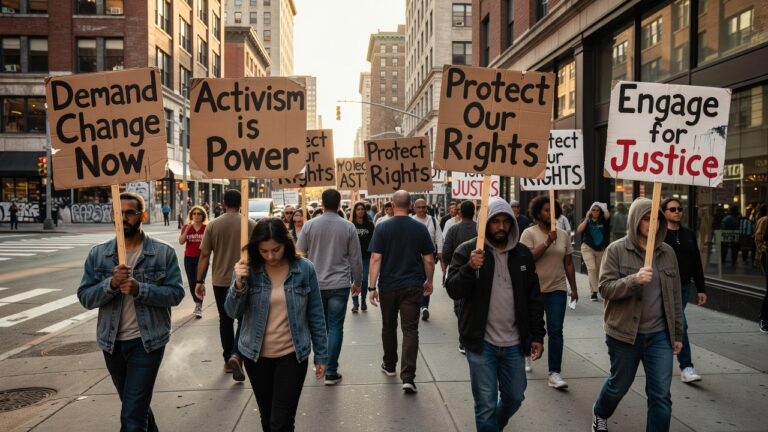

Engaging citizens in the policy process remains central to advancing Democratic priorities on Capitol Hill, from climate legislation to voting rights expansions and measures aimed at economic equity. Having covered these issues for a decade, the most durable forms of participation are those that connect directly to committee work, floor votes, and the legislative records of members who have consistently supported progressive frameworks.
Local organizing continues to feed into federal outcomes. Neighborhood Democratic committees and advocacy networks routinely coordinate with House and Senate offices to shape city council actions on affordable housing and transit funding. These efforts often trace their legislative lineage to earlier federal authorizations, such as surface transportation bills that set matching requirements for state and local projects. Town halls serve as early venues where ideas are stress-tested before they reach the markup stage in relevant committees.
Volunteering through county Democratic organizations provides structured pathways for newcomers. Phone banks and canvassing operations tied to these groups emphasize issues with clear congressional footprints, including healthcare access provisions modeled on Affordable Care Act expansions. Training sessions focus on messaging calibrated to districts where members have compiled voting records in support of working-family priorities. For those seeking to begin their activism journey, local Democratic Party chapters typically offer orientation sessions that introduce volunteers to voter contact tools, debate talking points, and strategies for building relationships within communities. Many county organizations now utilize voter contact databases that allow volunteers to track conversations, identify persuadable voters, and measure impact across multiple election cycles.
Coalition building amplifies leverage on specific measures. Partnerships with environmental groups have pressed for Green New Deal-style provisions at the municipal level, tracking ordinances on renewable incentives that mirror elements of larger federal reconciliation packages. Signature drives and ballot analysis draw on data shared among Democratic-aligned networks, often informing amendments offered during committee consideration. These coalitions extend beyond environmental work; labor unions, reproductive rights organizations, LGBTQ+ advocacy groups, and racial justice movements regularly coordinate on shared legislative goals. When multiple organizations align behind a single issue, the combined grassroots pressure becomes difficult for elected officials to ignore, particularly in swing districts where votes are closely contested.
Direct advocacy through rallies and legislative channels converts public attention into bill language. Protests centered on racial justice and reproductive rights have prompted follow-up meetings that result in sponsorship of measures by members with long records on these files. Submitting public comments and testifying at hearings places positions into the official record, a step that influences regulatory text on wage policy and student debt provisions. The legislative history on minimum wage increases, for instance, stretches back through repeated attempts in both chambers since the last federal adjustment. When citizens testify during committee hearings, their personal stories often prove more persuasive to wavering members than statistical arguments alone. A constituent describing their struggle to afford insulin, for example, can shift a moderate Democrat’s position on pharmaceutical pricing in ways that policy briefs cannot.
Campaign work for candidates aligned with Democratic platforms sustains these efforts over multiple cycles. Door-knocking and fundraising tied to voting rights and corporate accountability measures contribute to turnout in targeted districts, where members have recorded support for related reforms. Digital platforms extend reach by highlighting congressional investigations into voting access and by circulating summaries of infrastructure investments enacted under recent Democratic majorities. Modern campaign infrastructure now includes sophisticated volunteer management systems that allow activists to organize their own events, set personal fundraising goals, and connect with campaign leadership on specific policy issues. Young organizers have proven particularly effective at mobilizing peers through social media, creating viral moments that generate earned media coverage worth hundreds of thousands in advertising equivalents.
Policy research shared through threads and virtual forums draws on reports that track the trajectory of wealth taxation proposals and other revenue measures. These summaries help counter external narratives during floor debates. Virtual town halls hosted by Democratic members offer direct input on pending legislation before it reaches the Rules Committee or conference stage. Progressive activists have increasingly invested in rapid-response research teams that fact-check Republican claims in real time, producing shareable graphics and video clips that circulate across digital networks within hours of misleading statements. This work has proven essential in close races where information environment dynamics determine electoral outcomes.
Data from recent cycles underscore the cumulative effect: record participation in 2020 built on grassroots Democratic turnout operations, local minimum wage campaigns secured increases across more than thirty states since 2015, and consistent canvassing has lifted participation by eight to ten points in identified districts. Coalition actions have contributed to over one hundred state-level voting protections in recent years, each reflecting sustained engagement with the legislative process.
Beyond these proven tactics, several emerging opportunities deserve consideration. Issue-based advocacy committees, sometimes called “issue caucuses,” allow activists to focus exclusively on specific policy areas—healthcare, climate, labor rights—rather than general campaign work. These groups often develop deep expertise that makes them valuable consultants to sympathetic legislators. Additionally, strategic ballot initiative and referendum campaigns at the state level have become powerful tools for advancing progressive priorities where legislative majorities prove elusive. These ballot measures, which bypass legislatures entirely, have been instrumental in raising minimum wages, protecting abortion access, and expanding voting rights in conservative-leaning states.
Grassroots fundraising through platforms like ActBlue has democratized campaign finance, allowing small-dollar donors to collectively compete with corporate PAC spending. Activists increasingly use these platforms not just to support general campaigns but to fund targeted digital advertising against vulnerable Republicans on specific issues, creating additional pressure on Democratic members to deliver results on their promises.
Local ballot measures offer another avenue for activism with immediate tangible results. City councils and school boards directly affect residents’ daily lives through decisions on public safety budgets, education funding, and zoning policies. Democratic activists who engage at this level build power bases that often translate into influence over state legislative delegations. School board activism, in particular, has surged as education has become a central campaign issue, with organized groups pushing curriculum changes, budget allocations, and hiring decisions aligned with progressive values.
Mentorship and institutional memory have also proven crucial. Experienced organizers who work to train the next generation of activists ensure that proven techniques and relationship networks persist across election cycles. Many successful Democratic organizations now employ full-time staff devoted entirely to volunteer development and training, recognizing that sustainable power requires continuous investment in human capital.