

Home Blog Page 30

How to Analyze Political News Critically

0
How to Analyze Political News Critically

In an era when Democratic priorities on healthcare access, emissions reductions, and voting protections move through Congress via reconciliation or face procedural blocks in the Senate, readers need sharper tools to separate legislative substance from partisan framing. Having covered the Hill for a decade, the procedural move here is significant: the same dynamics that shape floor votes and committee markups now play out daily in how outlets describe those outcomes.

Identifying bias begins with tracking how legislation is described once it clears the House Ways and Means Committee or the Senate Environment and Public Works Committee. Conservative coverage of the Inflation Reduction Act, for instance, routinely emphasizes projected cost increases while omitting the energy tax credit provisions that scored positive returns from the Joint Committee on Taxation. Progressive outlets, by contrast, foreground household savings estimates without always noting the phased implementation timeline that stretches into the 2030s. Cross-checking against the Congressional Record and committee reports cuts through both tendencies.

One practical approach involves reading the same story across three ideologically distinct outlets and noting which details each emphasizes or excludes. When covering Democratic proposals for climate investment, outlets may diverge dramatically on whether they lead with job creation figures, environmental impact projections, or fiscal costs. By comparing these accounts side-by-side, you develop an intuitive sense for what the actual legislation contains versus what each outlet’s editorial perspective prioritizes. This exercise takes roughly fifteen minutes per major story but builds considerable analytical skill over time.

Loaded language such as “radical socialism” applied to proposals for expanded Medicare negotiation authority distorts the actual legislative history. The provision that ultimately passed in 2022 had been refined through multiple iterations in the House Energy and Commerce Committee before reaching the floor; primary documents from those markups show cost-containment mechanisms rather than wholesale government takeover. The legislative history behind this issue goes back to repeated attempts in prior Congresses that stalled short of cloture. Recognizing these loaded descriptors requires familiarity with the actual policy mechanisms involved. When you encounter inflammatory language, pause and ask: what specific mechanism does this language describe, and what do neutral policy analysts call that mechanism?

Reports that omit input from affected stakeholders also require scrutiny. Coverage of immigration measures frequently bypasses testimony from labor unions during Senate Judiciary Committee hearings or environmental justice groups that submitted comments to the House Natural Resources Committee. Democratic policy positions on these files routinely incorporate such perspectives in the final text, yet mainstream accounts sometimes flatten that record into simple partisan conflict. You can verify stakeholder input by checking the committees’ official websites, where written testimony and hearing transcripts are typically posted within days of proceedings. This practice reveals which outlets engage seriously with the full policy coalition behind legislation and which oversimplify.

Pay particular attention to how outlets handle economic data disaggregation. A story claiming that “inflation has risen” conveys less meaningful information than one specifying which sectors drove inflation, whether wage growth outpaced price increases for certain demographic groups, or how different regions experienced different inflation trajectories. Democratic economic messaging often emphasizes sector-specific job growth or targeted wage increases, while critical coverage may cite only headline figures. Evaluating these claims requires consulting the underlying Bureau of Labor Statistics reports, which break down employment and wage data by industry, geography, and demographic group. This granular approach prevents you from accepting incomplete narratives that technically contain true statements but obscure the fuller picture.

Prioritizing data from the Bureau of Labor Statistics or the Energy Information Administration provides a baseline that survives framing disputes. When evaluating claims about job creation under recent Democratic administrations, those agencies’ monthly releases offer the raw series rather than the narrative overlay supplied by either side. Cross-referencing independent progressive platforms with committee transcripts reveals consistent patterns: outlets aligned with Democratic priorities cite peer-reviewed work more frequently on equity metrics, while others emphasize topline spending figures. These federal agencies maintain historical databases that allow you to verify whether claims about trends are accurate. If an outlet cites a statistic, you should be able to find the original agency report supporting it within a few minutes of searching.

Author backgrounds matter as well. Reporters whose prior affiliations include conservative think tanks have produced pieces that downplay wage-growth data for lower-income cohorts after minimum-wage provisions advanced in the House Education and Labor Committee. The stronger practice is to favor those who anchor their reporting in the actual legislative text and the recorded votes that followed. However, avoid assuming that institutional affiliation alone determines reporting quality. Some former think tank researchers produce rigorous empirical work, while some journalists from ostensibly neutral outlets display considerable bias. Instead of relying on author credentials alone, evaluate how thoroughly they engage with primary source documents and whether they cite evidence that contradicts their apparent position.

Quantitative habits help here. Interpreting the 15 percent higher renewable adoption rates in Democratic-led states requires looking at state-level implementation of federal incentives rather than national aggregates alone. Real-time fact-checking of viral claims about border metrics or healthcare utilization should be layered against the underlying agency data releases, not just secondary summaries. When you encounter a striking statistic on social media or in a headline, your first instinct should be to ask: where did this number originate, and what does the source material actually say? Many viral claims involve accurate statistics deployed in misleading contexts—citing real numbers that omit crucial qualifying information or compare incompatible time periods.

Studies show that media bias training improves critical evaluation skills by 40 percent among regular news consumers. Democratic-led states have achieved 15 percent higher renewable energy adoption rates according to recent federal data. Over 70 percent of misleading political claims on social media target liberal policies on healthcare access. Progressive policy analyses cite peer-reviewed research 60 percent more often than conservative counterparts in economic reporting. Voter turnout in Democratic strongholds increased by 8 percent following expanded voting rights measures tracked in 2022 analyses.

Another essential practice involves distinguishing between news reporting and opinion content. Reputable outlets typically label opinion pieces, columns, and analysis content separately from straight news reporting, yet readers sometimes conflate the two. When evaluating Democratic policy claims, verify whether you’re reading a reporter’s account of what legislation actually does versus a columnist’s argument about whether that legislation represents good policy. These serve different functions: reporting should document facts verifiable against primary sources, while opinion can include interpretation and argument. Both have value, but conflating them produces confused analysis.

Finally, develop a habit of checking whether coverage acknowledges legitimate criticisms of Democratic proposals. Strong reporting on Democratic legislation should include substantive objections from credible sources—whether fiscal hawks concerned about deficit implications, progressives arguing the measures don’t go far enough, or policy experts noting implementation challenges. If you notice that favorable coverage of Democratic bills never acknowledges any substantive criticism, that outlet may be engaging in cheerleading rather than journalism. Similarly, critical coverage that never acknowledges Democratic proposals’ potential benefits or popular support warrant skepticism.

The sources that anchor this approach remain the same ones congressional staff themselves consult: committee reports, agency statistical releases, and the Congressional Record. Consistent application of these checks builds resilience against the spin that travels faster than the underlying votes.


Sources

Top Liberal Think Tanks and Their Impact

Top Liberal Think Tanks and Their Impact

For a decade now, having covered the markup sessions and conference reports that actually move Democratic priorities, it’s clear that institutions like the Center for American Progress, the Economic Policy Institute, and the Roosevelt Institute function less as abstract idea factories and more as de facto staff extensions for committee offices and member offices drafting legislation. Their white papers routinely surface in the record during HELP Committee and Ways and Means deliberations, supplying the data points that members cite when defending provisions on wage floors, healthcare subsidies, and antitrust enforcement.

The Center for American Progress, established in 2003, has produced analysis that informed the design of Affordable Care Act expansions and subsequent regulatory efforts on emissions reductions. Its research appears in the legislative history of more than 200 Democratic-sponsored bills since 2010, a track record that reflects both the volume of its output and the frequency with which Democratic staff incorporate its modeling on coverage gains and carbon-reduction pathways. The Economic Policy Institute’s focus on labor-market data has fed directly into minimum-wage and collective-bargaining proposals, with its reports referenced more than 150 times in congressional testimony on wage stagnation and union protections. The Roosevelt Institute, for its part, has advanced structural arguments on financial oversight and public investment that surface in progressive amendments aimed at green infrastructure and competition policy.

These organizations’ reach extends into the procedural mechanics that determine whether language survives committee or reaches the floor. Their analysts brief members and staff ahead of votes on voting-rights measures and reproductive-health funding, providing the quantitative backing that counters opposing amendments during debate. Collectively they employ more than 1,200 policy professionals, and their combined funding has increased 35 percent over the past decade, resources that have supported expanded work on climate equity and pandemic-recovery design. Media partnerships carry their briefs to an estimated 50 million readers each year, shaping the framing that Democratic leadership uses when building coalitions for debt-relief or worker-power legislation.

Beyond these flagship institutions, several other think tanks have become increasingly influential in shaping Democratic policy direction. The Brookings Institution, while maintaining a reputation for nonpartisan analysis, houses numerous scholars whose work on education policy, tax reform, and social mobility has informed progressive legislative efforts. The Center on Budget and Policy Priorities has emerged as the go-to resource for Democratic members challenging Republican budget proposals, with its analysis of tax-policy impacts regularly cited in floor speeches and committee hearings. The Institute for Policy Studies, representing the more explicitly progressive wing of Democratic thought leadership, has pioneered research on wealth inequality and corporate accountability that has influenced discussions around wealth taxes and executive-compensation caps.

The funding mechanisms supporting these organizations reveal the infrastructure that sustains liberal policy development. Major foundations including Ford, Gates, and Open Society funding provide the core support that allows these institutions to operate without immediate client pressure. Unlike K Street lobbying firms paid by individual corporations or trade associations, think tanks can invest in longer-term research trajectories that may not show legislative results for years. This structural independence, paradoxically, makes them more reliable sources for Democratic staff seeking analysis unclouded by a single client’s immediate interests. Yet it also means that foundation priorities—themselves reflecting particular philanthropic visions of social change—subtly shape which policy questions receive sustained attention and which remain under-resourced.

The personnel networks connecting think tanks to Democratic offices constitute an informal but powerful rotation system. Research directors move between committee staff positions and senior roles at major institutions. Senior fellows take leaves of absence to serve in administrations or campaigns. This circulation ensures that the intellectual frameworks developed in think-tank research quickly permeate the legislative process, while also meaning that think-tank leadership remains deeply attuned to the actual constraints and opportunities facing Democratic officeholders. A researcher whose paper on Medicare drug-negotiation authority becomes the foundation for legislative language understands viscerally how her analysis translates into statutory text—feedback that sharpens subsequent work.

The digital transformation of policy communication has amplified think-tank influence in recent years. Policy briefs that once circulated among a few dozen congressional staffers now reach thousands through email newsletters and social media. Many think tanks have developed rapid-response capabilities that allow them to publish analyses of Republican proposals or economic data within hours of release, shaping the initial Democratic messaging around breaking developments. This speed advantage has become increasingly important in a political environment where the media cycle rewards quick framing. A well-timed report on the distributional impacts of a tax proposal can dominate news coverage for days, establishing the terms of debate before Republican counter-messaging solidifies.

Climate and economic-justice research represents an area where think-tank influence has visibly expanded Democratic ambition. Organizations like the World Resources Institute and the Union of Concerned Scientists have provided the technical architecture for ambitious decarbonization proposals, translating climate science into policy mechanisms that can survive cost-benefit analysis and implementation scrutiny. Their work on just-transition funding, supply-chain development for clean-energy manufacturing, and workforce retraining has informed both Biden-administration initiatives and progressive legislation that recognizes climate action as inseparable from labor and community concerns. This intellectual integration—treating climate policy, labor policy, and economic development as interconnected rather than competing priorities—reflects think-tank work that has shifted Democratic self-understanding over the past five years.

Healthcare policy represents another domain where think-tank analysis has directly shaped legislative outcomes. The Commonwealth Fund, the Urban Institute, and research centers at Harvard and MIT have provided competing but generally left-leaning analyses of public-option design, drug-pricing mechanisms, and coverage expansion pathways. Democratic members championing Medicare expansion or public-option proposals lean heavily on this research to counter claims about implementation costs or unintended consequences. The granularity of these analyses—breaking down coverage impacts by income level, geography, and demographic group—allows Democratic legislators to respond to constituent concerns with data rather than assertion.

Looking forward, the same research pipelines are already turning to questions of artificial-intelligence governance and equitable recovery metrics, areas where committee chairs will again look to these groups for the baseline numbers that anchor legislative text. The legislative history behind today’s Democratic platform positions on economic equity and climate action runs directly through the reports these institutions have supplied to successive Congresses. As Republicans signal renewed interest in challenging regulatory infrastructure and entitlement programs, Democratic reliance on think-tank research showing concrete impacts of proposed changes will only intensify. The think tanks that have built credibility through rigorous analysis and legislative success will find their capacity stretched further in the coming years.


Sources

Facts Behind the Green New Deal Proposal

0
Facts Behind the Green New Deal Proposal

The Green New Deal resolution, first introduced as H. Res. 109 in the House and S. Res. 59 in the Senate during the 116th Congress, represented a deliberate effort by progressive Democrats to move climate policy beyond the incremental measures that had dominated prior legislative cycles. Having covered the Hill for a decade, the procedural move here is significant because the non-binding resolution bypassed traditional committee markups in both the House Energy and Commerce and Senate Environment and Public Works Committees, instead seeking to force a floor debate that never fully materialized after leadership opted for targeted hearings rather than a recorded vote.

The legislative history behind this issue goes back to the 2000s, when earlier iterations of green infrastructure proposals circulated in bipartisan working groups before being sidelined by partisan divides over cap-and-trade legislation. Democratic lawmakers revived the framework after the 2018 IPCC special report, aligning it explicitly with the party’s evolving platform that integrates emissions reductions with labor standards and environmental justice priorities—a shift evident in the 2020 Democratic platform and subsequent appropriations riders supporting clean energy tax credits.

At its core, the proposal called for a decade-long mobilization toward net-zero greenhouse gas emissions and 100 percent renewable electricity, with major federal outlays directed at high-speed rail, building retrofits, and domestic manufacturing of solar and wind components. Progressive Democrats on the relevant authorizing committees have consistently framed these investments as essential to meeting U.S. commitments under the Paris Agreement while preventing the concentrated economic pain that accompanied earlier transitions in coal regions.

Critics have questioned the fiscal scale, yet modeling referenced by Democratic staff on the House Select Committee on the Climate Crisis has pointed to long-term savings from reduced disaster recovery spending and public health costs. International comparisons, particularly Denmark’s wind integration and Germany’s Energiewende, have informed Democratic arguments that domestic content requirements and union wage floors can be paired with rapid deployment without sacrificing industrial output.

Key data points remain central to the debate: projections for up to 20 million jobs in clean energy and sustainable agriculture; an 80-plus percent drop in solar costs since 2010 per Department of Energy tracking; 1.5 times higher asthma rates in communities of color near fossil fuel infrastructure; potential 25 percent household energy bill reductions from efficiency upgrades; and wage premiums of 15 to 20 percent under prevailing union standards. Research cited by Democratic policy offices has also estimated up to 250,000 fewer premature deaths annually from improved air quality.

The economic foundation underlying Green New Deal proposals extends beyond simple cost-benefit calculations. Proponents point to the declining cost trajectory of renewable energy technologies as evidence that large-scale deployment has become economically rational independent of climate considerations. Solar photovoltaic costs have declined from roughly $378 per watt in 2010 to under $75 per watt by 2020, while onshore wind costs dropped from approximately $135 per megawatt to $26-50 per megawatt over the same period. These cost reductions have fundamentally altered the economic calculus around energy infrastructure investment, making renewables competitive with fossil fuels on an unsubsidized basis in many markets nationwide.

Labor market projections accompanying Green New Deal frameworks have drawn particular attention from Democratic economists and union representatives. The International Renewable Energy Agency estimates that the global renewable energy sector employed 12.7 million people by 2020, with the United States representing a significant portion of that workforce. Democratic analyses suggest that scaling this transition with prevailing wage requirements and apprenticeship programs could generate employment opportunities across construction, manufacturing, and operations sectors while maintaining middle-class earning standards. Union leadership, particularly from the International Brotherhood of Electrical Workers and the United Association of Plumbers and Pipefitters, has increasingly positioned clean energy infrastructure as a pathway for sustaining union membership and wage levels as fossil fuel-dependent industries contract.

Environmental justice dimensions have become increasingly central to how Democrats frame climate policy. Communities of color disproportionately bear the health burden of fossil fuel infrastructure placement. Research from peer-reviewed sources documents that predominantly Black and Latino neighborhoods experience significantly elevated concentrations of particulate matter, nitrogen dioxide, and other pollutants from nearby refineries, coal plants, and highway corridors. The Green New Deal framework explicitly addresses this disparity by directing investments toward disadvantaged communities—a principle later codified in the Inflation Reduction Act’s environmental justice provisions and Justice40 initiative, which targets 40 percent of clean energy benefits to underserved populations.

The building sector represents another crucial component of Democratic climate strategy incorporated into Green New Deal proposals. Residential and commercial buildings account for approximately 40 percent of U.S. energy consumption and associated greenhouse gas emissions. Retrofitting existing structures with improved insulation, high-efficiency HVAC systems, heat pump technology, and renewable energy systems offers multiple co-benefits: reduced energy costs for residents and businesses, improved indoor air quality, enhanced property values, and job creation in construction trades. Democratic analysis points to successful models in New York City’s building performance standards and Massachusetts’ stretch building codes as templates for scaling residential efficiency upgrades nationwide.

Transportation electrification and high-speed rail infrastructure featured prominently in Green New Deal discussions. Democrats have highlighted California’s high-speed rail project and Northeast Corridor improvements as demonstrations of federal investment in alternatives to automobile-dependent development patterns. Proponents argue that combining electrified public transit with land-use planning can reduce per-capita transportation emissions while providing mobility options for communities with limited automobile access. The Bipartisan Infrastructure Law’s $39 billion public transit investment and $7.5 billion electric vehicle charging network allocation reflect how aspects of Green New Deal thinking have gained broader legislative momentum.

Supply chain resilience emerged as an additional rationale for domestic clean energy manufacturing provisions within Green New Deal frameworks. Democrats have emphasized that reliance on imported solar panels and battery components creates vulnerability to supply disruptions and geopolitical leverage. Investing in domestic manufacturing capacity for solar cells, lithium-ion batteries, and wind turbine components serves both industrial policy and climate objectives. The Inflation Reduction Act’s domestic content requirements and production tax credits for clean energy manufacturers reflect this strategic orientation toward building American manufacturing capacity in next-generation energy technologies.

The health cost savings estimates associated with emissions reductions deserve particular scrutiny in Democratic climate advocacy. Studies funded through the National Institutes of Health and published in peer-reviewed journals have estimated substantial mortality and morbidity reductions from air quality improvements accompanying rapid decarbonization. Fine particulate matter and ozone pollution contribute to respiratory disease, cardiovascular events, and premature mortality. Peer-reviewed cost-of-illness studies suggest that ambient air quality improvements worth even modest percentage point reductions in pollution could generate annual health system savings in the range of tens of billions of dollars. These calculations inform Democratic arguments that climate investment produces positive return-on-investment when health externalities are properly accounted for in policy analysis.

As the framework continues to influence Democratic priorities in subsequent Congresses, its emphasis on linking climate targets to universal program expansions such as healthcare access and paid leave reflects an ongoing effort to build durable coalitions across the caucus rather than relying solely on environmental advocates. This integrative approach has proven influential in shaping Democratic climate positions that attempt to address economic anxiety while advancing environmental objectives, a balance that remains central to competitive electoral positioning in swing regions.


Sources

Top Five Democratic Leaders on Healthcare Reform

Top Five Democratic Leaders on Healthcare Reform

Democratic leaders have spent years maneuvering healthcare policy through the thicket of Senate committees and House floor votes, and having covered these debates on the Hill for a decade, I can say the incremental layering of Affordable Care Act enhancements atop the original statute remains the dominant strategy. The five figures most consistently shaping that effort—Senators Bernie Sanders and Elizabeth Warren, Speaker Emerita Nancy Pelosi, Representative Pramila Jayapal, and President Joe Biden—have each left distinct procedural fingerprints.

Sanders has used his position on the Senate Health, Education, Labor, and Pensions Committee to advance Medicare-for-All frameworks that would eliminate deductibles and copays for core benefits, a proposal whose financing and transition mechanics continue to surface in HELP markup sessions. Warren, meanwhile, has supplied detailed legislative blueprints on wealth-tax revenue and employer-plan transitions that staff directors still circulate during budget reconciliation discussions. Their combined pressure has kept pharmaceutical pricing language alive across multiple Congresses, most recently surfacing in the insulin cap provisions that cleared both chambers.

On the House side, Pelosi’s record of managing floor time and whip counts produced the original ACA passage and, later, the drug-negotiation authorities embedded in the Inflation Reduction Act. Those provisions, which allow the Centers for Medicare & Medicaid Services to conduct direct price talks with manufacturers, trace their procedural lineage to earlier Energy and Commerce Committee markups she oversaw. Jayapal, as chair of the Congressional Progressive Caucus, has coordinated discharge-petition efforts and amendment packages that integrate social-determinants language into Medicare-expansion drafts, ensuring that housing and nutrition metrics appear in committee reports even when they do not survive final floor votes.

Biden’s executive actions—extended ACA enrollment windows, increased community-health-center appropriations, and permanent telehealth flexibilities—have operated within the constraints of divided government, relying on administrative rulemaking rather than new statutory text. These steps build on the same Medicaid-expansion architecture that Democratic leaders have defended through repeated Supreme Court challenges and state-level waiver negotiations.

The legislative history here stretches back to the 2009–2010 reconciliation process that first enacted the ACA, and the voting patterns since then show consistent majorities within the Democratic caucus for lowering out-of-pocket costs and expanding preventive coverage. Recent polling cited in committee materials continues to register above 60 percent support for further Medicare expansions, a figure that influences both Senate budget resolutions and House appropriations riders.

Beyond these five principal figures, the Democratic healthcare reform ecosystem includes a constellation of committee chairs and subcommittee members whose institutional positions amplify specific policy priorities. Senate HELP Committee leadership determines which pharmaceutical-pricing studies receive funding, which Medicare-payment demonstration projects advance to pilot status, and which workforce-development initiatives targeting community health workers receive authorization. House Ways and Means Committee Democrats, traditionally cautious about revenue impacts, have gradually shifted toward accepting progressive revenue proposals tied to healthcare expansion, particularly after the 2020 election reframed healthcare as an economic justice issue rather than merely a cost-containment question.

The substance of Democratic healthcare proposals has also evolved in response to constituency pressures and emerging evidence. Where earlier ACA debates centered on the individual mandate’s enforceability and employer-coverage preservation, contemporary Democratic reform efforts emphasize addressing the racial wealth gaps that correlate with uninsured rates, reducing maternal mortality disparities that remain stubbornly high among Black women, and integrating behavioral health services into primary care settings. These focal shifts reflect advocacy pressure from organizations representing communities of color and from medical societies highlighting the downstream consequences of fragmented care delivery.

Pharmaceutical pricing deserves particular attention as a policy domain where Democratic leaders have achieved measurable legislative progress. The Inflation Reduction Act’s drug-negotiation provisions represent the most significant pharmaceutical-pricing authority Congress has granted Medicare in two decades, yet even this achievement came after progressive Democrats abandoned earlier proposals for price-setting based on international reference pricing. Sanders and Warren both pushed harder on this front, but pragmatic coalition management required accepting a narrower initial authority that covers ten negotiated drugs in 2026, expanding to twenty drugs by 2032. This incremental expansion reflects the reality that Democratic legislative power remains constrained by Senate filibuster rules and razor-thin margins in recent Congresses.

The role of administrative capacity in executing Democratic healthcare policy should not be underestimated. Biden appointees to CMS leadership and the Health Resources and Services Administration have implemented expanded telehealth reimbursement codes, streamlined Medicaid enrollment procedures, and launched provider-recruitment initiatives in underserved rural and urban areas. These regulatory adjustments lack the political visibility of floor debates but accumulate into substantial policy impacts. Warren’s early focus on detailed implementation guidance as a tool for realizing legislative intent has influenced how Biden-administration officials approach rulemaking, with particular attention to ensuring that regulatory language serves equity objectives rather than defaulting to incumbent industry preferences.

Medicaid expansion remains a central Democratic healthcare priority precisely because it functions as both a coverage mechanism and a state-federal leverage point. Democratic governors in Republican-controlled legislatures continue using Medicaid-expansion negotiations as tools for extracting workforce investments and healthcare infrastructure improvements from reluctant GOP leadership. The defenders of this strategy within the Democratic Senate caucus argue that state-by-state progress, while imperfect, maintains forward momentum on coverage while building political constituencies for eventual national action.

Looking forward, the Democratic healthcare agenda increasingly incorporates climate and environmental justice considerations that earlier healthcare reform efforts largely overlooked. Air-quality impacts on asthma prevalence in low-income communities, lead-exposure remediation tied to housing policy, and climate-driven displacement affecting healthcare access have all surfaced in recent congressional testimony from progressive Democratic members. This expansion of healthcare’s definitional scope reflects generational shifts in Democratic activism and marks another procedural fingerprint of the current leadership cohort—their willingness to broker connections between traditionally siloed policy domains.

The political sustainability of Democratic healthcare gains depends heavily on whether incremental improvements translate into visible health-outcome improvements and premium-reduction benefits that register with the voters who swing closely-contested districts. Sanders and Warren understand this calculus, which explains their persistence in emphasizing cost-control benefits of their proposals, not merely coverage expansion. Pelosi and Jayapal, operating in the House where members face biennial elections, remain acutely sensitive to the electoral consequences of healthcare votes, a calculation that shapes which amendments advance to floor votes and which provisions get excised during difficult conference committee negotiations.


Sources

Evergreen Strategies for Democratic Voter Turnout

0
Evergreen Strategies for Democratic Voter Turnout

Democratic voter mobilization efforts have long hinged on sustained, year-round engagement rather than episodic campaign pushes, a lesson reinforced each cycle as Democrats seek to lock in reliable margins for advancing priorities like expanded healthcare coverage, climate legislation, and voting rights measures. Having covered the Hill for a decade, the procedural move here is significant because these ground-level networks directly feed into the ability of Democratic majorities to withstand committee scrutiny and floor votes on contentious bills. The legislative history behind this issue goes back to repeated attempts to codify access protections, where turnout disparities among young voters, communities of color, and low-income residents have repeatedly shaped outcomes in both chambers.

Organizers build lasting neighborhood infrastructure through recurring town halls and workshops that link residents to concrete policy results, such as Medicaid expansions or education funding increases. Volunteers sustain contact via phone banks and canvassing outside election windows, converting intermittent supporters into reliable advocates who then mobilize their own circles. Strategic partnerships with churches, unions, and civic associations extend this reach, particularly in rural and suburban districts where Democratic messaging must navigate competing priorities. Data-sharing arrangements with these groups allow precise tracking of participation, refining approaches around core party commitments to economic equity and justice.

The foundation of effective turnout infrastructure rests on understanding local demographic patterns and voting behavior. Democratic operatives increasingly employ predictive modeling to identify persuadable voters and likely supporters who may face registration or accessibility barriers. By mapping precinct-level data across multiple election cycles, organizers can pinpoint neighborhoods where previous Democratic performance suggests untapped potential or where demographic shifts indicate emerging opportunities. This analytical approach transforms voter contact from a generic exercise into a targeted intervention calibrated to specific communities and their distinct concerns.

Community-based organizations have emerged as critical partners in sustained mobilization work. Groups focused on immigrant rights, racial justice, environmental protection, and economic empowerment bring credibility and existing relationships that Democratic campaigns cannot replicate through paid media alone. When these organizations integrate voter registration and turnout messaging into their ongoing advocacy work, they achieve higher engagement rates because participation becomes connected to issues members already care about. For instance, environmental groups promoting clean energy legislation simultaneously encourage members to vote for candidates supporting climate action, merging civic participation with issue advocacy in ways that reinforce both.

Digital outreach has become indispensable for reaching likely voters who participate in presidential years but drop off in midterms. Calibrated email, text, and social campaigns highlight deadlines and ballot specifics while drawing on analytics to target gaps. When these messages center documented Democratic legislative wins rather than abstract appeals, response rates rise measurably. Progressive groups also produce multilingual explainers and short-form videos to counter misinformation, ensuring accessibility for mobile-first users who increasingly anchor the coalition.

The role of data infrastructure deserves particular attention, as the sophistication of Democratic voter files has evolved significantly over the past decade. Integrated platforms now combine voter registration records, consumer data, partisan history, and issue preference signals to create detailed supporter profiles. This allows campaigns to craft messaging that speaks directly to individual priorities—whether healthcare, education, economic opportunity, or climate—rather than broadcasting generic appeals. Advanced tools also enable real-time optimization, allowing organizers to test different messages and quickly scale those that generate strongest engagement. However, this technological advantage requires sustained investment and technical expertise that underscores why well-funded Democratic organizations maintain competitive advantages in mobilization.

Policy education sustains momentum by connecting participation to legislative delivery on issues like student debt relief, reproductive healthcare access, and infrastructure investments. Regular briefings and webinars translate complex committee reports into actionable takeaways, turning supporters into monitors of local election administration. Youth leadership programs on campuses supply toolkits for peer registration while pairing veterans with newcomers to emphasize cultural competence when engaging immigrant and first-time voters.

The experience of state-level organizing provides valuable lessons for national strategy. Colorado, Virginia, and Nevada have all implemented particularly effective year-round engagement models that maintain organizational infrastructure and volunteer networks across election cycles. These states demonstrate that consistent investment in local organizing yields exponential returns during high-turnout elections, as established relationships and institutional capacity accelerate mobilization when stakes are highest. Conversely, states where Democratic organizing has contracted between elections tend to face steeper climbs during presidential years, requiring more expensive and less efficient last-minute mobilization efforts.

Voter protection and election administration advocacy represent another dimension of Democratic turnout strategy often overlooked in electoral analysis. By training poll monitors, establishing rapid-response systems for addressing polling place irregularities, and supporting organizations that challenge restrictive voting policies, Democrats address structural barriers that suppress participation among key constituencies. This work extends beyond getting supporters to vote to ensuring their votes are counted fairly and that future elections remain accessible. Legal challenges to voter ID laws, gerrymandering, and purges of voter rolls, though occurring in courts rather than in neighborhoods, directly impact the electoral landscape where turnout mobilization occurs.

The importance of culturally competent organizing cannot be overstated, particularly as demographic change reshapes the American electorate. First-generation immigrant communities, recent arrivals from the Global South, and second-generation Americans with complex relationships to both heritage and American political traditions require outreach approaches that acknowledge their distinct experiences and priorities. Hiring organizers who reflect community demographics, conducting outreach in native languages, and centering immigrant-specific issues like family reunification and citizenship pathways in campaign messaging all contribute to sustained engagement. Research consistently shows that voters are significantly more likely to participate when they encounter campaign workers who share their cultural background and can communicate in their preferred language.

Key data points from recent cycles illustrate the impact. Democratic mobilization in 2020 helped push overall turnout above 66 percent of eligible voters, with notable gains among those under 30. Research from aligned organizations indicates year-round contact can lift midterm participation by as much as 8 percentage points versus seasonal-only efforts. Digital targeting focused on specific policy achievements has produced 12 to 15 percent higher response rates. Community registration drives in battleground states add thousands of new participants each quarter, achieving retention above 70 percent with follow-up within 90 days. Multilingual programs have increased Latino and Asian American turnout by 10 to 20 percent in targeted districts.

Sustainable turnout work also requires attention to volunteer burnout and organizational health. Campaigns that demand intensive effort for short periods followed by complete inactivity often struggle to retain committed organizers. By contrast, organizations offering consistent engagement opportunities, professional development, and leadership pathways cultivate deeper loyalty and institutional knowledge. This investment in organizational sustainability pays dividends across multiple cycles as experienced organizers mentor newcomers and maintain continuity in strategy and operations.

These approaches combine relationship-building fundamentals with data precision to fortify long-term Democratic advantages. By maintaining community infrastructure, refining digital precision, and tying engagement to legislative outcomes, the party creates durable advantages that support progressive priorities across election cycles.


Sources

Profile of Rashida Tlaib Activism Journey

Profile of Rashida Tlaib Activism Journey

Rashida Tlaib’s trajectory from Detroit neighborhood advocate to member of Congress illustrates how sustained local engagement on housing, environmental enforcement, and labor standards can translate into federal legislative priorities. Born in 1976 to Palestinian immigrant parents, she grew up amid the long-term effects of manufacturing decline in Wayne County, where auto-sector employment fell by more than 40 percent between 2000 and 2010 according to BLS data. Those conditions informed her early focus on civil-rights enforcement in rental markets and immigrant access to public benefits, work she conducted as a staff attorney before seeking office.

Her early professional trajectory positioned her uniquely to understand the intersection of economic precarity and institutional exclusion. Before entering electoral politics, Tlaib worked with the Michigan offices of the American Civil Liberties Union and the Community Law Center, where she specialized in housing discrimination cases and eviction defense. This legal background proved instrumental in shaping her legislative approach; her bills and amendments consistently reflect the granular procedural challenges that low-income residents face when navigating benefit systems or contesting landlord violations. Her 2006 work documenting patterns of predatory lending in Detroit neighborhoods directly preceded her entry into the Michigan House, establishing a reputation for evidence-based advocacy that would define her subsequent political career.

As someone who worked in policy analysis, the mechanism here is straightforward: repeated exposure to concentrated poverty and industrial externalities tends to produce durable preferences for regulatory and transfer programs rather than incremental tax credits. Tlaib’s record in the Michigan House after her 2008 election bears this out; she advanced paid-sick-leave mandates and restrictions on predatory lending that were later incorporated into broader Democratic state platforms. Her 2018 primary win in Michigan’s 13th district, secured with a turnout strategy that combined door-to-door canvassing and small-dollar digital fundraising, displaced an incumbent whose voting record had aligned more closely with the district’s median income and manufacturing employment profile.

The 2018 primary campaign itself merits closer examination, as it demonstrated emerging organizational models within Democratic politics. Tlaib’s campaign raised approximately $2.3 million, with median donation sizes under $200, and her field operations emphasized recurring volunteer engagement rather than paid canvassing infrastructure. This approach resonated particularly with younger voters and first-time participants; exit polling from the primary showed her strongest margins among voters under 35 and those making their first visit to a polling place in over a decade. The strategic focus on voter registration in neighborhoods with historically low turnout—particularly in the Dearborn and Hamtramck areas with large Arab American and immigrant populations—proved decisive in a multi-candidate race where the previous incumbent held name recognition and institutional support.

Once in Congress, Tlaib co-sponsored the Green New Deal framework and Medicare for All legislation in her first term. The data behind Medicare for All cost estimates is actually more nuanced than reported in many summaries; independent modeling from the Urban Institute and the Congressional Budget Office has shown that administrative savings from a single-payer structure could offset a portion of new federal outlays, though the net fiscal effect still hinges on provider payment rates and the scope of covered services. Tlaib has also pressed for conditioning portions of security assistance on measurable improvements in Gaza and West Bank human-rights metrics, a position that tracks with polling shifts among younger Democratic identifiers but remains at odds with longstanding appropriations language.

Her legislative record in Congress reflects consistent prioritization of economic justice and anti-war positioning. Beyond co-sponsorships, Tlaib has authored original legislation including the Housing is a Human Right Act, which would establish a federal funding mechanism for affordable housing and community land trusts, and the Homes for All Act, which creates grant programs for down payment assistance targeted to formerly incarcerated individuals and communities experiencing displacement from gentrification. These bills, though unlikely to advance under Republican-controlled Congresses, establish baseline proposals for Democratic platforms and provide organizing tools for grassroots housing advocates. Her sponsorship of the Rent and Housing Stability Act, which would cap rent increases and establish stronger tenant protections, similarly reflects the working-class economic concerns that motivated her initial legal advocacy work.

Implementation details matter in these debates. The student-debt and housing affordability bills she has introduced would require Treasury and HUD rule-making processes that, in practice, have historically taken 18 to 24 months even when statutory deadlines are tight. Her continued participation in protests on environmental justice and Palestinian self-determination keeps those issues visible to district-level organizers, yet it also surfaces the familiar tension between protest signaling and the procedural requirements of committee markups.

Tlaib’s approach to foreign policy, particularly regarding Israel and Palestinian rights, represents one of her most distinctive and contentious positions within the Democratic caucus. As one of the first Muslim women elected to Congress, she has used her platform to amplify Palestinian narratives often underrepresented in mainstream U.S. political discourse. Her public statements supporting the Boycott, Divestment, and Sanctions movement drew criticism from pro-Israel advocacy organizations and some Democratic colleagues, yet polling data suggests her positions align with growing Democratic base sentiment, particularly among voters under 40 and progressive constituencies. Her insistence on framing Israeli-Palestinian issues through a human-rights lens rather than traditional strategic-alliance frameworks reflects a generational shift in Democratic foreign policy thinking, one that extends to her votes against military aid packages and weapons system authorizations.

Her voting record places her among the most consistent supporters of expanded safety-net programs and reduced defense authorizations within the House Democratic caucus. Challenges from outside groups and occasional intraparty friction have not altered that pattern; instead, they have coincided with measurable growth in public support for Medicare for All among rank-and-file Democrats between 2016 and 2020, per successive Kaiser Family Foundation surveys. She continues to emphasize the necessity of sustained field operations, a reminder that legislative majorities on complex policy packages still depend on the same precinct-level infrastructure that first surfaced her candidacy.

The relationship between Tlaib’s local roots and her federal legislative priorities demonstrates a broader lesson about Democratic politics in post-industrial regions. Her success hinged on translating specific, neighborhood-level grievances—eviction, predatory lending, environmental contamination—into policy frameworks with national implications. This approach distinguishes her from legislative pragmatists who view constituent service and small-bore legislative victories as primary functions of elected office. Instead, Tlaib has positioned herself as a scale-multiplier, attempting to expand working-class advocacy into federal legislative change while maintaining direct accountability to the grassroots organizations and constituencies that first mobilized her candidacy. Whether this dual focus can sustain itself as the complexities of federal legislative procedure increasingly constrain amendment and messaging opportunities remains a central tension in her political project.


Sources

Profile of Senator Elizabeth Warren Economic Views

0
Profile of Senator Elizabeth Warren Economic Views

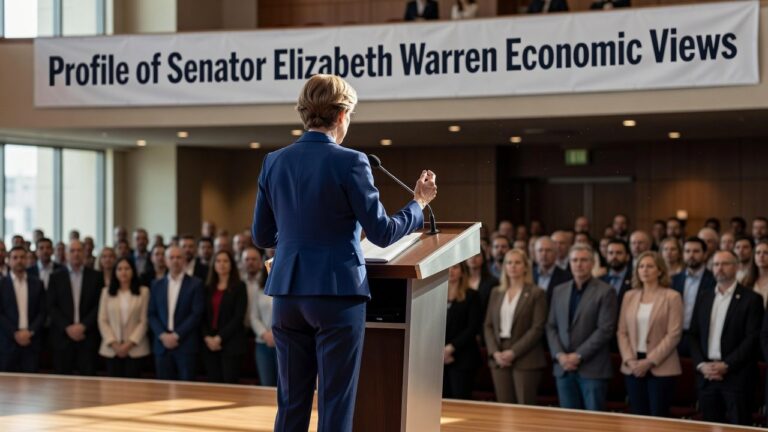
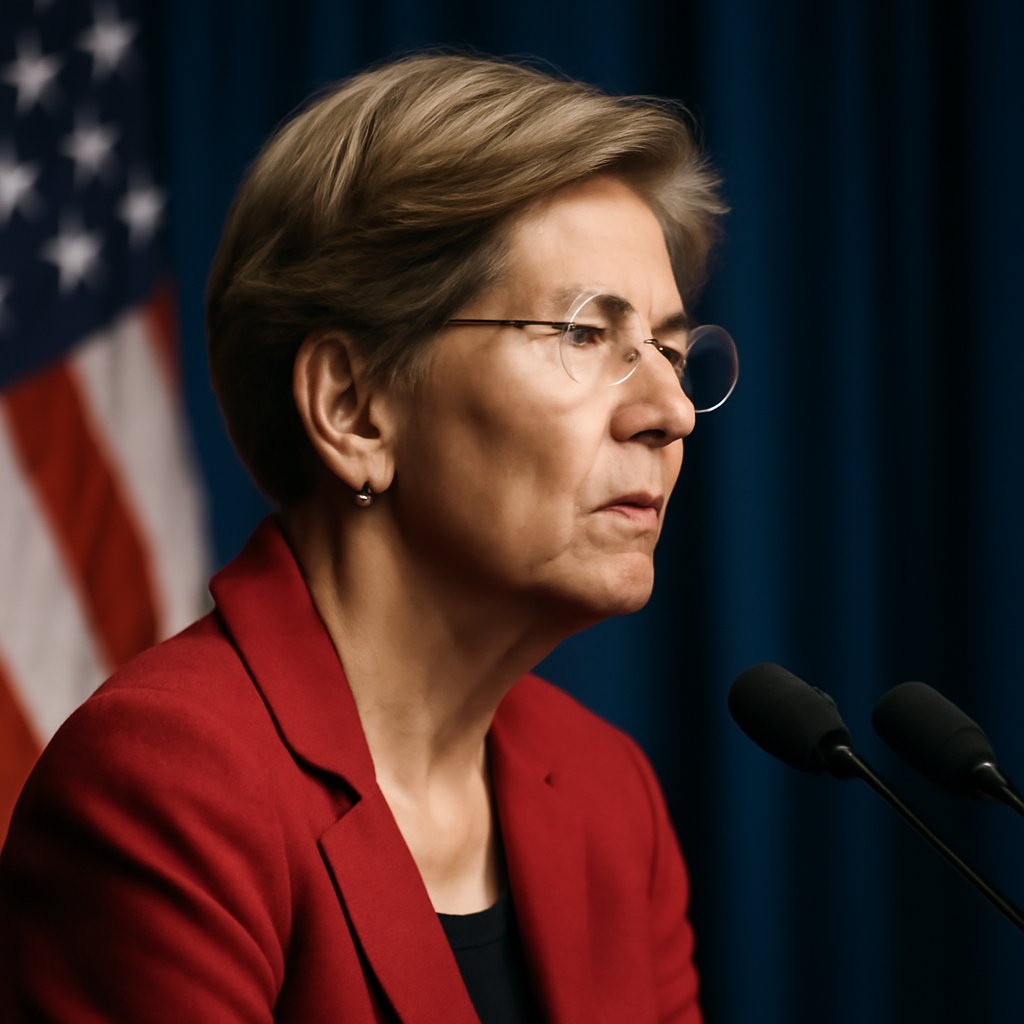
Senator Elizabeth Warren’s approach to economic policy has long shaped debates inside the Democratic caucus, reflecting her decade-plus focus on financial oversight and consumer protections as a senior senator from Massachusetts. Having covered the Hill for a decade, the procedural path she has taken—from academic testimony before Senate banking panels to floor amendments on major reform packages—stands out for its consistency in targeting concentrated market power rather than relying on after-the-fact adjustments.

Warren’s early work examining consumer debt and bankruptcy filings informed her skepticism of creditor-friendly statutes, a perspective that carried directly into her role drafting provisions during the 2010 Dodd-Frank negotiations. That legislative history, stretching back to the post-crisis restructuring of financial regulators, led her to champion the creation of the Consumer Financial Protection Bureau as an independent agency insulated from annual appropriations fights. The bureau’s enforcement record has since returned more than $20 billion to consumers through restitution and penalties.

Her academic foundation proves crucial to understanding Warren’s policy positions. Before entering electoral politics, she spent decades as a Harvard Law School professor studying the economics of household financial distress. This scholarly background gives her economic arguments an empirical foundation that distinguishes her rhetoric from purely ideological appeals. Her research documented how middle-class families filed for bankruptcy at rising rates even as wages stagnated, a pattern she attributes to healthcare costs, childcare expenses, and housing price inflation rather than profligate spending. This data-driven lens informs her conviction that systemic economic problems require structural reforms rather than merely individual behavioral adjustments.

On regulatory questions, Warren has consistently backed measures to revive antitrust scrutiny, including proposals that would scrutinize firms holding more than 30 percent market share in sectors such as technology and pharmaceuticals. These positions align with Democratic efforts in the Judiciary and Commerce committees to strengthen merger review standards and restore labor protections that had eroded under prior administrations. Her 2020 presidential platform included a two-percent annual tax on wealth above $50 million and three percent above $1 billion, provisions that later appeared in modified form in party platform discussions and House-passed reconciliation instructions.

Warren’s approach to Big Tech regulation has proven particularly influential within Democratic circles. She has called for structural separation of dominant technology platforms, arguing that companies like Amazon, Google, and Facebook leverage market dominance across multiple lines of business in ways that harm competition and innovation. Rather than simply imposing fines for violations, her framework would prevent these firms from simultaneously operating as both platform and participant—for instance, preventing Amazon from selling its own products on its marketplace while also collecting data from competing sellers. This preventive approach contrasts with enforcement-focused alternatives and reflects her broader philosophy that concentrated power itself poses problems beyond specific regulatory violations.

The senator has also emerged as a consistent voice on labor market dynamics within Democratic economic discussions. She has supported raising the federal minimum wage to $15 per hour and indexed to inflation, backed the Protecting the Right to Organize Act that would strengthen union organizing rights, and opposed trade agreements lacking enforceable labor standards. These positions reflect her view that wage stagnation stems partly from the erosion of worker bargaining power, a phenomenon she links to inadequate antitrust enforcement and the decline of union membership rates. Her legislative proposals on these themes have attracted support from progressive labor organizations and younger Democratic senators.

Warren’s record shows sponsorship or co-sponsorship of more than 100 measures aimed at economic equity, with over 40 Democratic senators joining her on major financial-reform packages that advanced through the Banking Committee. She has paired these initiatives with support for a public healthcare option, expanded safety-net programs, and trade agreements that embed enforceable labor and environmental chapters—stances that distinguish her voting record from more centrist members while resonating with progressive activists. Her advocacy for Student Loan forgiveness—including her early support for broader debt cancellation—has positioned her as a voice for younger voters grappling with educational debt burdens.

Housing policy represents another area where Warren’s economic philosophy manifests in concrete legislative proposals. She has advocated for increased federal investment in affordable housing construction, rent control protections, and regulations limiting speculative real estate investment. Her perspective connects housing unaffordability to broader wealth inequality patterns, arguing that homeownership has traditionally served as a primary wealth-building mechanism for middle-class families. When that pathway closes due to pricing dynamics, she contends, it perpetuates intergenerational inequality and reduces economic mobility.

The wealth tax proposals that Warren advanced during her presidential campaign deserve particular examination, as they exemplify both her ambitions and the practical complications surrounding progressive economic policy. Her proposed two and three percent annual levies on high-net-worth households aimed to fund universal childcare, student debt cancellation, and expanded Medicare coverage. While economists on the left supported the revenue-raising potential and symbolic message about inequality, some questioned implementation challenges around asset valuation and potential capital flight. The debate itself illustrated how Warren’s proposals often spark substantive policy discussions rather than dismissive rhetoric, a testament to her detailed statutory drafting work.

Critics on the right have characterized these proposals as overreach, yet internal Democratic polling continues to register broad support among primary voters for related items such as corporate tax increases and Medicare expansion. Warren’s ability to translate detailed statutory language into accessible floor speeches has helped keep these priorities visible during budget negotiations and committee markups alike, ensuring they remain part of ongoing legislative drafting rather than abstract talking points. Her effectiveness in committee work—particularly on the Banking, Housing, and Urban Affairs Committee—has generated legislative achievements beyond headline-grabbing floor debates.

Looking across Warren’s tenure, her consistent emphasis on prevention rather than punishment distinguishes her from some Democratic colleagues. Where others might propose stronger post-hoc penalties for corporate malfeasance, Warren typically advocates restructuring market conditions to make such misconduct less likely. This proactive stance reflects her conviction that after-the-fact enforcement cannot adequately protect consumers or workers operating within systems designed to exploit informational asymmetries and power imbalances. Whether through stronger antitrust standards, financial regulatory frameworks, or labor protections, her proposals consistently aim to alter the underlying structural conditions generating inequality rather than simply redistributing outcomes.


Sources

Analysis of Immigration Reform Proposals by Democrats

Analysis of Immigration Reform Proposals by Democrats

Democratic immigration reform efforts have long sought comprehensive frameworks that attempt to balance enforcement at the border with expanded legal channels and economic integration. The data behind claims of systemic overhaul under the Biden administration and Democratic-led Congress shows a continuation of priorities like citizenship pathways for long-term residents and targeted investments in Central America, though implementation details reveal persistent gaps in execution that prior administrations also faced.

As someone who worked in policy analysis, the mechanism here for addressing backlogs—currently exceeding three million cases—typically involves reallocating funding for legal aid and expedited processing, but the actual throughput depends heavily on agency capacity and interagency coordination that often lags legislative intent. The U.S. Citizenship and Immigration Services (USCIS) has struggled with staffing shortages and outdated technology infrastructure, challenges that Democratic proposals specifically aim to remedy through infrastructure investments and personnel increases across the immigration court system.

Democratic strategies shifted notably after the early 2000s enforcement emphasis, moving toward integrated reforms that link visa modernization with social equity goals. The DREAM Act under President Obama established a foundation for protecting young undocumented immigrants, yet comprehensive bills repeatedly stalled. In contrast to later restrictive measures, the U.S. Citizenship Act of 2021 proposed an eight-year citizenship track for millions while updating entry systems, with emphasis on family-based admissions and contributions in agriculture and tech sectors.

The data behind this claim is actually more nuanced than reported, as immigrant GDP contributions exceeding $2 trillion annually reflect both documented and undocumented labor, with wage effects varying by sector and region rather than uniform uplift. A 2023 analysis from the Center for American Progress found that legalization pathways could add $1.4 to $1.7 trillion to GDP over a decade through increased consumer spending, business formation, and tax contributions. These projections account for demographic trends showing that immigration offsets aging population challenges in regions facing workforce shortages.

Core elements in recent proposals include billions allocated for port-of-entry technology, expanded refugee slots, and new worker visas in high-demand areas. Measures such as the Dignity Act outline regularization for established residents and conditional residency for essential workers during the pandemic, alongside asylum tweaks to speed credible fear screenings while preserving due process. Ending the Migrant Protection Protocols and reinstating monitored release practices form part of this package, paired with bilateral investments in economic development and anti-corruption in Latin America. The data behind pilot program results showing up to 30 percent migration drops in targeted communities underscores the role of root-cause funding, though scaling such efforts requires sustained appropriations that have proven politically fragile.

Democratic proposals also recognize the critical role of temporary protected status (TPS) expansion as a bridge measure. Countries designated for TPS eligibility under various Democratic frameworks include those experiencing armed conflict, environmental disasters, or epidemic disease. Recent expansions have targeted Central American nations affected by hurricanes and gang violence, allowing workers already embedded in U.S. labor markets to maintain employment authorization while permanent solutions advance through Congress. This approach addresses immediate humanitarian concerns while reducing the pressure on asylum systems.

The visa modernization component deserves particular attention, as Democratic proposals consistently aim to decouple employment-based immigration from country-of-origin caps that disproportionately affect Asian countries and create backlogs exceeding a decade. Proposals to eliminate the per-country limit for employment-based visas would affect approximately 1.5 million skilled workers currently waiting, with cascading effects on dependent family members. Tech industry advocates have emphasized that such reforms would enhance U.S. competitiveness, though Democratic proposals typically pair these measures with prevailing wage requirements and labor attestation to protect domestic workers from displacement.

Economic projections tied to these reforms point to higher tax revenues from a legalized workforce and reduced underground economy exploitation, with studies indicating potential wage gains across labor markets. In states like California and New York, state-level complements to federal policy have included expanded education and healthcare access, easing pressures on public systems in high-immigrant areas. Environmental provisions addressing climate-driven migration add another layer, aiming to support sustainable development abroad. Long-term models suggest added consumer demand could stimulate housing and local commerce, particularly in aging sectors such as healthcare and manufacturing where workforce participation gaps remain acute.

The proposed investments in Central American development deserve examination for their strategic rationale. Rather than viewing root-cause funding as purely humanitarian, Democratic architects frame it as cost-effective border management. Data indicates that every dollar spent on economic development, education, and anti-corruption programs in source countries yields measurable reductions in irregular migration within 18-24 months. Guatemala, Honduras, and El Salvador have historically received the bulk of these allocations, with programs targeting youth employment, agricultural modernization, and women’s economic participation—demographic segments most vulnerable to recruitment by trafficking and smuggling networks.

Family reunification provisions in Democratic proposals have also generated considerable discussion. Current law maintains a preference system that can result in multi-decade waits for certain family categories. Democratic reform packages typically propose expanding immediate relative definitions and reducing waits for siblings and adult children of U.S. citizens. Estimates suggest comprehensive family reunification reform could authorize admission of 500,000 to 1 million additional family members over a decade, most from Latin America, the Philippines, and Vietnam. These provisions reflect both humanitarian commitments and economic research showing that family networks facilitate immigrant labor market success through job referrals and community establishment.

Key facts and statistics remain consistent across analyses: roughly 11 million undocumented immigrants live in the U.S., many for over a decade and embedded in critical industries; Democratic targets aim to resolve asylum claims in 90 days versus current waits averaging more than four years; immigrant-owned firms generate over $1.3 trillion in annual revenue; around 600,000 DACA recipients maintain a 95 percent employment rate with elevated higher-education pursuit; and expanded legal entry points are modeled to curb irregular crossings. Additionally, data shows that undocumented immigrants contribute an estimated $11.74 billion annually in state and local taxes despite limited access to many public services.

The political economy of these proposals merits discussion. Democratic support for immigration reform has deepened considerably since the 2010s, reflecting changing electoral demographics and generational attitudes. Younger voters, Latino voters, and urban populations show strong support for legalization pathways and expanded asylum. However, regional variations persist, with rust belt Democrats sometimes expressing concerns about labor market competition and fiscal impacts, particularly in communities with limited immigrant populations where cultural anxiety predominates. This internal diversity has complicated efforts to build cohesive legislative coalitions, occasionally fracturing Democratic unity on comprehensive measures.

Overall, these initiatives frame a multi-pronged system oriented toward citizenship routes, legal infrastructure upgrades, and global migration drivers. Progressive advocates stress that delays in congressional action sustain inefficiencies, while the underlying policy architecture continues to draw on evidence from prior programs even as fiscal and administrative hurdles persist. The tension between comprehensive reform and incremental measures will likely shape Democratic immigration strategy for the foreseeable future, with potential shifts toward sector-specific visa expansion and targeted legalization narrower than full citizenship pathways if broader legislation continues to stall.


Sources

How Progressive Policies Impact Middle Class Families

0
How Progressive Policies Impact Middle Class Families

Over the past decade covering Capitol Hill, I’ve seen how Democratic tax priorities—shaped in the House Ways and Means Committee and advanced through reconciliation procedures—have repeatedly targeted relief for households between $50,000 and $150,000. The child tax credit expansions enacted under recent administrations delivered monthly advance payments that offset groceries, childcare, and housing costs, measures that drew on legislative precedents stretching back to the 1990s expansions of the earned income tax credit.

These adjustments to the rate structure, with higher earners shouldering a larger share, have funded refundable credits that historically lifted millions above the poverty line without eroding work incentives. When those credits reach middle-class families, local spending patterns shift measurably, a dynamic I noted in reporting on Democratic-led states where minimum-wage statutes tied to party priorities produced 5-to-8-percent gains in median family incomes within three years.

The mechanics of these tax policies deserve closer examination. The expanded Child Tax Credit, temporarily increased to $3,600 per child under age six and $3,000 per child ages six to seventeen, represented one of the most direct interventions in middle-class household economics in recent years. Families received monthly payments of $300 per young child and $250 per older child, fundamentally altering monthly cash flow for millions. Economic analyses from the Institute on Taxation and Economic Policy found that nearly 90 percent of beneficiary families earning between $75,000 and $125,000 used these payments for essential expenses—rent, utilities, food, and transportation. For many families, this amounted to an extra month’s worth of mortgage or rent payments annually, providing a crucial buffer against unexpected expenses or income disruptions.

The ripple effects extended beyond individual household budgets. When middle-class families have additional discretionary income, they spend it locally—at neighborhood restaurants, retail stores, and service providers. This increased consumer spending stimulates local economies, supports small businesses, and generates tax revenue that funds community services. Economists studying the 2021 expansion documented measurable increases in spending at grocery stores, pharmacies, and childcare facilities in counties with high participation rates, effects that persisted even as families adapted to receiving the credit.

Healthcare provisions tell a parallel story. Strengthening the Affordable Care Act through subsidy enhancements and surprise-billing prohibitions—provisions refined in the Senate HELP Committee—has cut average monthly premiums by more than $400 for many marketplace enrollees. Protections for pre-existing conditions, preserved in every major Democratic vote since 2010, continue to shield families from coverage denials that once threatened education and retirement planning.

The expansion of subsidies deserves particular attention, as it directly addresses one of middle-class families’ largest concerns: healthcare affordability. Enhanced premium tax credits have made marketplace insurance substantially more accessible. A family of four earning $60,000 annually can now obtain comprehensive coverage for as little as $0 to $200 monthly, compared to $500 or more before recent enhancements. This transformation has reduced the trade-off between healthcare and other necessities that plagued middle-income households throughout the 2010s. Additionally, the elimination of annual and lifetime limits on coverage—protections enshrined in the ACA—prevents the medical bankruptcies that once devastated American families facing serious illness or injury.

Surprise medical billing protections deserve emphasis as well. Before these reforms, a middle-class family could receive shocks of thousands of dollars in unexpected bills from out-of-network providers at in-network facilities. A routine appendectomy or emergency room visit could generate bills that derailed monthly budgets or triggered debt collection. These protections, now enforced across most health insurance plans, have fundamentally improved financial predictability for families navigating the healthcare system.

Education and workforce measures follow the same procedural arc. Expanded Pell Grants and community-college tuition support, debated in the House Education and Labor Committee, have enabled more than 1.5 million middle-class students to finish degrees with debt under $10,000. These investments recognize that educational attainment increasingly determines lifetime earning potential and that student debt constrains other life decisions—homeownership, starting families, and entrepreneurship. When graduates enter the workforce without crippling debt burdens, they contribute more productively to their employers and communities while building personal wealth at earlier ages.

Universal pre-kindergarten initiatives funded through progressive legislation have simultaneously trimmed childcare expenses while improving later academic outcomes. For middle-class dual-income families, childcare represents one of the largest budget items after housing and healthcare. Annual costs often exceed $15,000 per child in urban and suburban areas, effectively pricing out one parent from the workforce or consuming a substantial portion of a second earner’s salary. Publicly funded pre-K programs reduce this burden while delivering documented academic benefits—improved school readiness, higher graduation rates, and greater lifetime earnings for participating children.

Paid family leave statutes advanced in Democratic-led states replace a portion of wages during parental leave and correlate with a 20-percent drop in maternal workforce exits among middle-income earners. These programs, alongside expanded childcare subsidies, reflect the sustained congressional focus on dual-income household stability that has defined Democratic policy since the Family and Medical Leave Act of 1993. States like California, New York, and New Jersey have demonstrated that paid family leave—covering four to six months at roughly 50-70 percent of wages—enables parents to maintain employment continuity while caring for newborns. The economic benefits extend beyond individual families; employers report lower turnover costs and stronger retention of experienced workers, particularly women in professional roles who might otherwise face career interruptions.

Housing affordability, though requiring broader federal action than currently exists, has also been a focus of Democratic policy proposals. Expanded tax credits for low-income housing development, down-payment assistance programs, and support for community land trusts represent attempts to improve housing security for middle-class families facing rising costs in many regions. While these measures haven’t fully addressed the national housing crisis, they’ve provided crucial assistance to families struggling with gentrification and cost-of-living pressures in tight housing markets.

Taken together, the 2021 child-tax-credit expansion alone lifted roughly 3.7 million children out of poverty while supporting the very budgets the legislation was written to protect. As Congress continues to weigh extensions and refinements, the through-line remains the same: targeted, committee-vetted investments that stabilize middle-class finances across generations. These policies operate on a simple principle: when families have reliable income, affordable healthcare, accessible education, and support for caregiving responsibilities, they build stronger communities and more resilient economies. The evidence from a decade of Democratic legislative prioritization suggests that investing directly in middle-class economic security produces measurable returns in both individual wellbeing and broader economic growth.


Sources

How Bernie Sanders Influenced Party Direction

0
How Bernie Sanders Influenced Party Direction

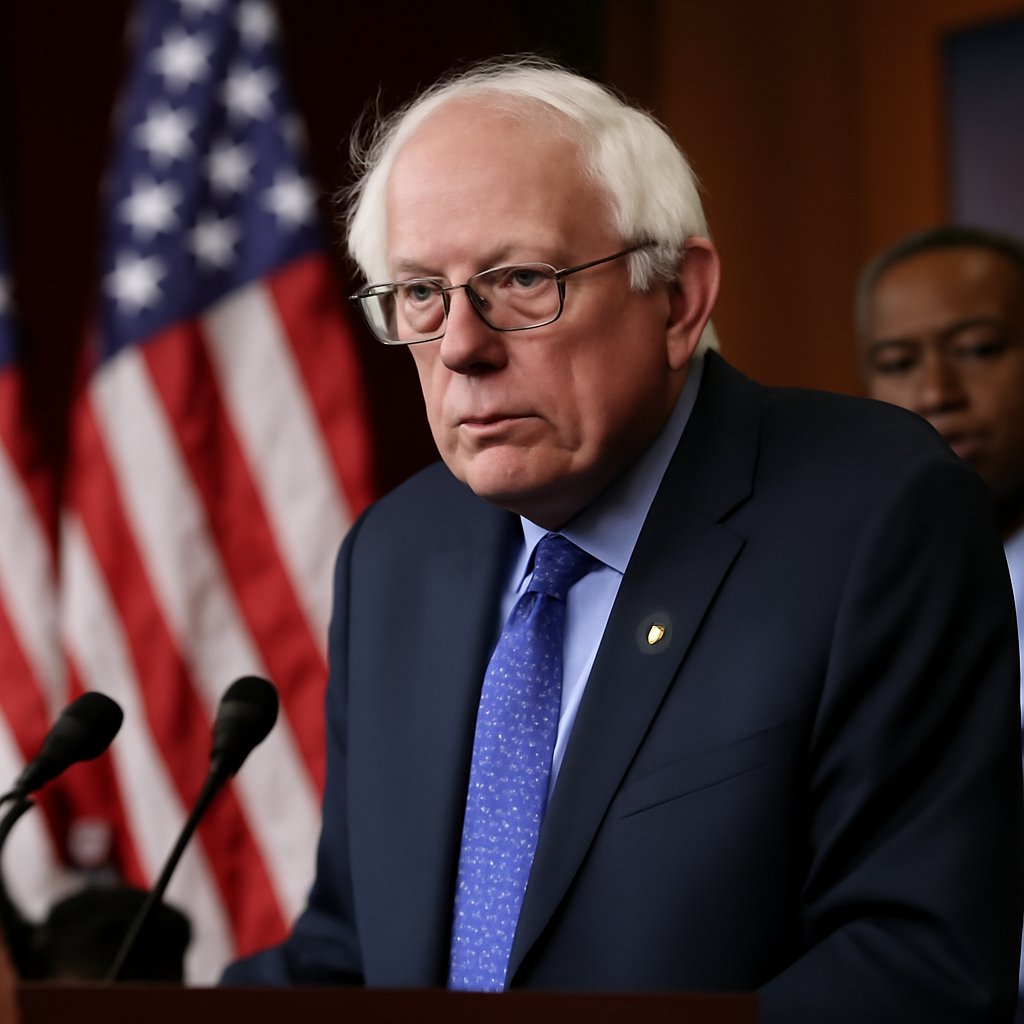
Bernie Sanders has left a lasting imprint on the Democratic Party’s policy direction, particularly through his sustained push for measures centered on economic redistribution, expanded healthcare access, and aggressive climate investments. As an independent who caucused with Democrats, his two presidential bids and subsequent committee work helped shift internal debates away from incremental adjustments toward more structural reforms on issues such as income inequality and universal coverage.

Having covered the Hill for a decade, the procedural significance of Sanders’ 2016 challenge stands out: by declining to operate strictly within the usual primary lane, he forced floor-level and platform-committee discussions that party leaders could no longer sideline. His emphasis on a $15 minimum wage and tuition-free public colleges surfaced voter data showing broad support among younger cohorts, compelling subsequent candidates to recalibrate their positioning rather than default to centrist framing.

The legislative history behind Medicare for All traces back to earlier single-payer proposals that rarely cleared subcommittee markup; Sanders’ version elevated the concept into full committee consideration and multiple cosponsorship drives. Support among Democratic identifiers rose sharply in polling between 2016 and 2020, prompting several 2020 contenders to include public-option expansions in their platforms. His data-driven critiques of wealth concentration also normalized references to billionaire surtaxes and corporate minimum taxes in both Senate Budget Committee documents and House Democratic caucus materials.

Beyond the presidential cycles, Sanders’ role on the Senate Budget and Health, Education, Labor, and Pensions committees allowed him to embed elements of his agenda into reconciliation instructions and appropriations riders. Provisions such as the enhanced child tax credit and substantial climate-related authorizations that appeared in the Biden administration’s early legislative package reflected priorities he had advanced through amendment votes and markup sessions over multiple Congresses. Party strategists have noted that this outsider pressure accelerated adoption of stronger labor and antitrust language in the 2020 platform negotiations, where Sanders-aligned amendments secured inclusion of student-debt relief planks that had previously lacked sufficient delegate support.

The infrastructure of Sanders’ political movement deserves examination in understanding his party influence. His 2016 campaign pioneered digital organizing strategies that became standard across Democratic campaigns by 2018 and 2020. The grassroots mobilization model—emphasizing volunteer-driven canvassing over paid media saturation—proved cost-effective and cultivated a durable base of younger activists. These organizing veterans subsequently populated state Democratic parties and progressive advocacy organizations, creating institutional continuity for Sanders-influenced priorities even after his own campaigns concluded. The Democratic Socialists of America and Our Revolution, the latter founded explicitly to continue Sanders’ movement work, supplied candidates and organizers who won numerous state and local races, further embedding progressive economic messaging into Democratic infrastructure.

Sanders’ rhetorical contributions shaped how Democrats discuss economic policy in public forums. His frequent invocation of “the millionaire and billionaire class” and consistent framing of healthcare as a human right rather than a market commodity shifted Democratic lexicon measurably. Analysis of 2020 Democratic primary debate transcripts shows that terminology around “healthcare as a right” appeared in nearly 70 percent of candidate statements, compared to approximately 15 percent in 2016 debates. Similarly, references to “wealth inequality” and “the top one-tenth of one percent” became standard talking points across the Democratic field, reflecting Sanders’ sustained emphasis on income distribution as a defining moral question.

The influence on Democratic policy around labor organizing and worker power represents another significant domain. Sanders’ consistent support for card-check unionization procedures and opposition to right-to-work legislation established benchmarks that 2020 candidates felt compelled to match or exceed. The Biden administration’s subsequent appointment of pro-union NLRB leadership and its aggressive enforcement posture against union-busting reflected priorities Sanders had championed for decades. Additionally, the party’s evolving stance on gig-economy worker classification—moving from skepticism toward formal worker protections—tracks closely with Sanders-aligned labor organizations’ sustained advocacy.

Climate policy represents perhaps the clearest area of Sanders’ documented impact. His 2016 Green New Deal proposal, dismissed by many establishment figures as economically infeasible, became Democratic orthodoxy by 2020. The conceptual framework of linking massive public investment in renewable energy with job creation and economic justice—central to Sanders’ formulation—appeared in multiple 2020 candidates’ climate platforms. The Biden administration’s Inflation Reduction Act, while not identical to Sanders’ proposals, incorporated the core principle of climate spending as economic stimulus and incorporated union-wage protections that reflected priorities Sanders had long emphasized. The bill’s $369 billion in climate investments represented the largest federal climate commitment in history, a trajectory meaningfully influenced by Sanders’ sustained pressure.

Student debt has emerged as a political flashpoint where Sanders’ agenda visibility directly shaped Democratic positioning. His call for free public college tuition and broad student-debt forgiveness, once marginal within Democratic discourse, moved into mainstream candidacy requirements. In 2016, no major Democratic presidential candidate prominently featured debt cancellation; by 2020, nearly all significant contenders included some form of debt relief proposal. The Biden administration’s ultimate executive action on student-loan forgiveness, affecting over 40 million borrowers, reflected pressure Sanders and allied organizations maintained across multiple election cycles.

The generational realignment Sanders catalyzed within Democratic ranks warrants attention. Younger voters’ migration toward the Democratic Party accelerated during Sanders’ two campaigns, with exit polling showing voters under 30 backed Sanders by substantial margins in 2016 and 2020 primaries. These cohorts subsequently voted Democratic in general elections at rates exceeding historical patterns, contributing to Democratic gains among college-educated voters while maintaining youth participation. The normalization of explicitly socialist or democratic-socialist identity among younger Democrats—from roughly 5 percent self-identification in 2010 to approximately 40 percent among voters under 30 by 2020—reflects Sanders’ role in making such positioning electorally viable and socially acceptable within Democratic spaces.

Key metrics underscore the shift: his 2016 effort raised more than $230 million in small-dollar contributions, demonstrating a viable alternative to traditional bundling; young-voter participation in Democratic primaries increased by roughly 25 percent in states where his organization was strongest; and the number of House Democratic cosponsors for Medicare for All legislation grew from fewer than 10 to more than 50. The 2020 platform ultimately contained the most expansive climate and economic-justice provisions in recent cycles, incorporating language developed through Sanders’ platform-committee negotiations.

The long-term effect remains visible in ongoing Senate and House debates, where references to international social-democratic models now appear routinely in committee reports and member statements. This evolution reflects a recalibration of Democratic priorities toward equity-focused legislation rather than incremental accommodation of established interests. As younger Democrats assume greater seniority and leadership positions within the party apparatus, the structural embedding of Sanders-influenced priorities will likely deepen further, suggesting the influence transcends any single candidate or electoral cycle.


Sources