

Home Blog Page 12

Background Checks and Gun Control: Examining the Legislative Framework

“`html

Background Checks and Gun Control: Examining the Legislative Framework

Background checks have long stood at the center of efforts to shape firearm policy in the United States, designed to screen out individuals already barred by statute from possessing guns while preserving access for those who qualify. This framework attempts to thread the needle between measurable public-safety outcomes and the constraints of the Second Amendment, though the implementation details reveal both strengths and persistent friction points.

The Brady Handgun Violence Prevention Act of 1993 laid the groundwork for a national eligibility review process. Before that statute, state-level approaches varied widely, creating enforcement gaps that allowed some prohibited buyers to cross state lines. As someone who worked in policy analysis, the mechanism here is straightforward: the law shifted from inconsistent local standards to a centralized instant-check model rather than the longer waiting periods that had been debated earlier. Proponents saw it as a way to close obvious loopholes; opponents flagged risks of added administrative load on dealers and potential delays for compliant purchasers.

Named after James Brady, the White House press secretary wounded during the 1981 assassination attempt on President Ronald Reagan, the Brady Act represented a watershed moment in modern gun-control legislation. The law emerged from years of grassroots advocacy and public momentum following a series of mass shootings in the late 1980s and early 1990s. Its passage was not inevitable—gun-rights organizations mounted fierce opposition—but the bipartisan support ultimately secured reflects the era’s broader consensus that some mechanism for vetting purchasers aligned with public safety without necessarily infringing on lawful ownership.

The National Instant Criminal Background Check System, run by the FBI, now handles queries for purchases from federally licensed dealers. A buyer submits basic identifiers—name, date of birth, and identification—and the system cross-references federal and state databases to flag disqualifiers such as felony convictions, certain mental-health adjudications, domestic-violence records, and specified immigration statuses. Most transactions clear immediately, but the data behind denial-rate claims is actually more nuanced than reported: FBI figures show annual checks in the millions with denial rates typically between 1 and 2 percent, though incomplete records can push some cases into a three-business-day review window before a default proceed.

The specific categories of individuals prohibited from purchasing firearms under federal law include convicted felons, individuals with certain domestic-violence convictions or restraining orders, those adjudicated as mentally ill or committed to mental institutions, undocumented immigrants, individuals with dishonorable military discharges, and those who renounced U.S. citizenship. Each category reflects statutory language aimed at identifying substantial risk factors, though the contours of mental-health restrictions in particular have drawn ongoing scrutiny from civil-liberties advocates concerned about privacy and due-process implications.

Evidence on downstream effects remains mixed. States that layered additional background-check requirements onto the federal baseline have shown lower rates of certain gun-related incidents in public-health analyses, yet critics correctly note that the system still covers only commercial transfers in most jurisdictions. Private sales, gun-show transactions, and online deals often escape uniform scrutiny, and enforcement data indicates many prohibited individuals still obtain firearms through straw purchases or theft. Supporters point out that even partial coverage disrupts a measurable share of attempted illegal acquisitions, but the policy-wonk reality is that outcomes hinge heavily on state reporting compliance.

Research from public-health institutions has documented correlations between universal background-check implementation and reductions in gun homicides and suicides in states adoping such measures. California’s comprehensive checking regime, which includes private transfers, has provided a longitudinal case study for advocates of broader requirements. However, isolating the causal effect of background checks from other confounding variables—including education campaigns, prosecution resources, and demographic shifts—remains methodologically challenging. Peer-reviewed studies present ranges of estimated impact, and translating those findings into national-level policy claims requires careful interpretation of the evidence base.

One of the clearest implementation shortfalls involves uneven state submissions to federal databases, especially mental-health and domestic-violence restraining-order records. Federal incentives have nudged better participation, yet gaps remain. The Domestic Violence Offender Gun Ban, enacted as part of the 1996 Omnibus Consolidated Appropriations Act, expanded prohibited categories to include misdemeanor domestic-violence convictions, yet enforcement hinges on reliable state record transmission. Similarly, the NICS Improvement Amendments Act of 2007 allocated grant funding to states to upgrade record systems, but participation has been incomplete, and some states report resource constraints limiting their data-submission capacity.

The private-sale exemption in numerous states compounds the issue; law-enforcement cases document prohibited persons exploiting these channels. At the same time, rural constituencies and gun-rights advocates highlight longstanding norms around transfers among known individuals, warning that broader mandates could impose compliance costs without proportional safety gains. The debate here reflects genuine tensions between administrative burden and public-safety objectives, not merely rhetorical posturing—small gun dealers in sparsely populated areas, for instance, face different operational realities than urban retailers, yet uniform federal rules apply across both contexts.

Recent legislative proposals have targeted the private-sale channel through expanded checks at gun shows and online platforms, often paired with funding streams for state data improvements and appeal procedures for erroneous flags. The Bipartisan Background Checks Act, which passed the Democratic-controlled House in 2019 and again in 2021, exemplifies this approach: it would require checks for nearly all firearm transfers while carving out narrow exceptions for temporary loans among family members and transfers to heirs. The bill stalled in the Republican-controlled Senate, illustrating the partisan fracture that has intensified as background-check policy has become increasingly polarized.

Bipartisan packages have produced narrower wins, such as increased resources for mental-health record submission and funding for state systems upgrades. The NICS Improvement Amendments Act mentioned above passed with substantial bipartisan support because it focused on technical capacity rather than imposing new restrictions, demonstrating that consensus remains possible on implementation mechanics even as the chamber divides on broader coverage questions.

State-level experiments with universal checks continue to supply comparative data points, though translating those findings into a workable federal rule set requires careful attention to both administrative capacity and constitutional guardrails. Vermont, Washington, and Colorado have implemented universal-check requirements through voter initiatives and legislative action, providing real-world experience with enforcement, costs, and public compliance. Early data suggests compliance rates vary, with urban areas generally showing higher adherence than rural regions. These state laboratories of democracy offer valuable lessons for national policymakers, yet questions persist about whether mechanisms effective in particular demographic and geographic contexts would scale uniformly across the country.

The technology underlying NICS itself continues to evolve. Proposals for modernization include integrating additional databases, streamlining state record submissions, and implementing appeal mechanisms that operate more efficiently. Some advocates suggest blockchain or other distributed-ledger technologies could enhance security and auditability, though such systems remain in exploratory phases. Gun-safety organizations also emphasize the need for dedicated funding to support state compliance infrastructure, noting that underfunded state systems create logjams in record transmission and delays in transaction clearance.

Looking forward, the political economy of background-check policy will likely hinge on whether consensus can be rebuilt around targeted improvements to existing systems versus broader expansions that face constitutional and political resistance. Democratic-controlled chambers have pushed universal-check legislation; Republican-controlled bodies have focused resources on enforcement of existing law and system improvements. The Supreme Court’s 2022 decision in New York State Rifle & Pistol Association v. Bruen, which scrutinized historical tradition as the touchstone for Second Amendment regulations, may reshape judicial review of background-check statutes, though the decision’s implications for the Brady framework itself remain subject to ongoing litigation and interpretation.


Sources

“`

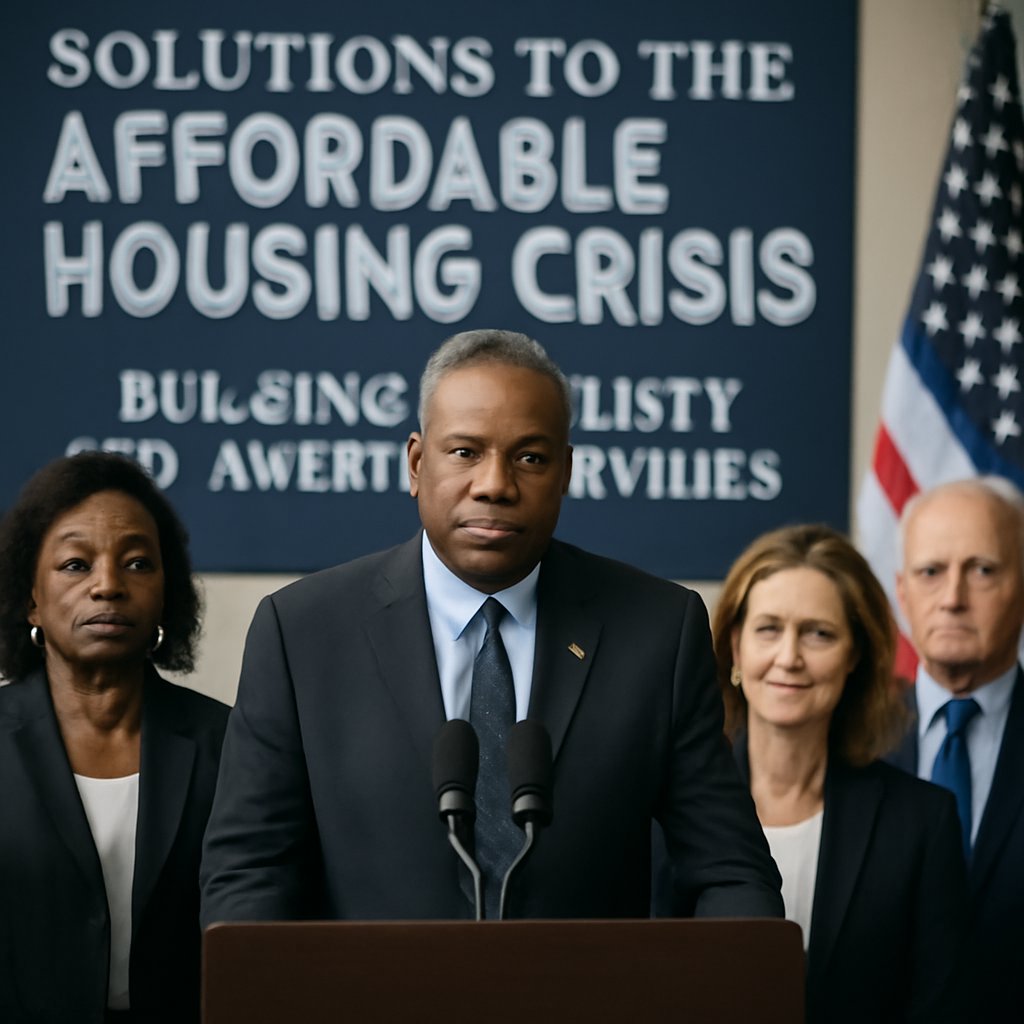
Solutions to the Affordable Housing Crisis: Building Stability for American Families

“`html

Solutions to the Affordable Housing Crisis: Building Stability for American Families

The affordable housing crisis continues to constrain household formation across the United States, with federal data indicating a cumulative shortfall of several million units that has pushed median rents above the traditional 30-percent-of-income threshold for large numbers of lower-income renters. Decades of underbuilding after the 2008 financial crisis, combined with restrictive local zoning and rising material and labor costs, have produced this imbalance; the data behind this claim is actually more nuanced than reported, because household formation rates themselves slowed in some rural counties even as they accelerated near job centers. As someone who worked in policy analysis, the mechanism here is best understood as a mismatch between regulatory supply constraints and wage stagnation that no single program can fully close.

The scale of this challenge demands urgent action. Recent estimates suggest the United States faces a shortage of between 1.5 and 3 million affordable rental units, depending on the metric used. This shortfall has cascading effects across the economy: families spend less on healthcare, education, and consumer goods when housing costs consume half their income; workers cannot relocate for better employment opportunities when housing is unaffordable in growing markets; and younger Americans delay marriage, children, and wealth-building activities when they cannot secure stable, affordable housing. The human cost is equally severe, with homelessness persisting in wealthy cities and families cycling through precarious living situations.

Reforming zoning and land-use rules offers one lever for expanding production. Jurisdictions that have permitted duplexes and triplexes in single-family zones, reduced parking minimums near transit, and expedited approvals for mixed-income projects have recorded measurable increases in permitted units. The data behind claims of rapid rent stabilization remain mixed; modest downward pressure appears only when these changes are paired with anti-displacement protections. As someone who worked in policy analysis, the mechanism here is the gradual release of underutilized land rather than wholesale upzoning, which preserves neighborhood character while still adding supply over a five-to-ten-year horizon.

Minneapolis and California’s recent zoning reforms illustrate this potential. Minneapolis eliminated single-family zoning citywide in 2019, permitting up to three-unit buildings on previously restricted lots. While production increases have been gradual—partly due to construction cost inflation—the legal framework now allows market forces to work without arbitrary density caps. California’s Senate Bill 9 similarly allows property owners to split single-family lots and build duplexes, potentially unlocking millions of parcels for modest intensification. These reforms do not require wholesale demolition or unrecognizable neighborhood change; rather, they enable a mix of housing types that serves teachers, nurses, and service workers who currently cannot afford to live near their jobs.

Addressing regulatory barriers extends beyond zoning itself. Streamlined permitting timelines, reduced application fees for affordable projects, and pre-approved design standards can accelerate development. Several states and cities have implemented “by-right” approval processes for housing that meets affordability standards, removing subjective review that lengthens timelines and creates uncertainty for developers. When cities can issue building permits within six months rather than two years, the carrying costs and financing burdens on projects shrink considerably, translating into lower rents for residents.

Public and subsidized housing programs remain essential for the lowest-income households. Federal outlays for Housing Choice Vouchers, Low-Income Housing Tax Credits, and public-housing rehabilitation have supported both new construction and preservation of existing stock. Evaluations consistently show that pairing capital grants with ongoing operating subsidies sustains affordability longer than one-time incentives, a pattern familiar from Medicare’s experience with prospective payment systems that reward sustained access rather than episodic treatment. Expanding supportive housing for veterans and people experiencing homelessness has demonstrably lowered emergency shelter expenditures in several states, though sustained bipartisan appropriations and streamlined local administration are required to prevent the lengthy waitlists that currently ration access.

The Low-Income Housing Tax Credit (LIHTC) program, enacted in 1986, remains the federal government’s largest tool for affordable housing production, generating roughly 100,000 units annually. Yet the program’s complexity—requiring developers to navigate state allocation competitions, investor syndication, and long compliance periods—limits its reach. Expanding the credit’s value, simplifying investor requirements, and allowing greater flexibility in mixed-income development could significantly boost production without requiring new congressional appropriations. Similarly, increasing the Housing Choice Voucher program’s funding would immediately reduce waitlists that in some cities stretch over a decade. Each voucher represents about $12,000 in annual purchasing power for a low-income family, yet funding caps prevent eligible households from accessing them.

Pathways to homeownership and targeted rental protections can complement supply-side reforms. Down-payment assistance, shared-equity models, and first-time buyer tax credits have helped moderate-income families transition into ownership when accompanied by financial counseling that reduces default rates. On the rental side, just-cause eviction standards and limited rent stabilization in high-cost markets provide interim relief while new units come online. Community land trusts and limited-equity cooperatives keep units permanently outside speculative markets, preserving intergenerational access after initial public capitalization—an approach whose fiscal mechanics resemble the trust-fund structures used in Social Security to smooth intergenerational transfers.

Community land trusts (CLTs) offer a particularly promising model for permanent affordability. By separating land ownership from building ownership, CLTs remove land appreciation from the housing cost equation, allowing homeowners to build equity while keeping units affordable in perpetuity. Over 600 CLTs now operate in the United States, serving more than 15,000 households. Cities like Burlington, Vermont, which pioneered the CLT model decades ago, have maintained affordable homeownership rates in neighborhoods where market-rate prices would otherwise exclude working families. Expanding CLT funding through grants and preferential financing could replicate this model in dozens of additional cities.

Anti-displacement measures are equally critical in gentrifying neighborhoods. Rent stabilization, while not a panacea, can prevent the most extreme annual increases that force households out during rapid neighborhood transitions. Coupling stabilization with property tax relief for long-term residents, tenant buyout protections, and community benefits agreements tied to new development creates a more balanced approach than either market fundamentalism or rigid rent control. San Francisco’s recent expansion of tenant protections, though controversial among economists, reflects constituent demands that existing residents not be sacrificed on the altar of supply increases.

Public-private partnerships and regional planning frameworks coordinate these tools across municipal boundaries. Land banks paired with density bonuses or tax abatements have induced private developers to include affordable units, while regional compacts prevent affordable housing from concentrating in only a handful of jurisdictions. Transparent outcome dashboards tracking production numbers and demographic reach allow policymakers to recalibrate incentives, much as healthcare quality metrics are adjusted when utilization data reveal uneven access. This evidence-based monitoring supports accountability without locking localities into rigid national templates.

The federal government’s role in coordinating regional efforts cannot be overstated. HUD’s Community Development Block Grants, while underfunded relative to need, fund local initiatives that might otherwise lack capital. Federal tax policy—through LIHTC, opportunity zone incentives, and mortgage interest deductions—shapes development patterns. Democratic policymakers have proposed integrating these tools into a coherent national housing strategy, with increased appropriations for production subsidies, stronger equity guardrails preventing gentrification-without-benefit, and technical assistance helping smaller cities implement best practices from peer jurisdictions.

Building housing stability requires sustained political commitment across multiple election cycles. Unlike acute crises that command temporary attention, housing affordability demands patient, long-term investment in zoning reform, subsidy programs, and anti-displacement protections. By combining supply expansion with targeted assistance for the lowest-income households, policymakers can create a housing market that serves American families rather than treating shelter as a speculative commodity.


Sources

The Debate Over Student Loan Debt Forgiveness in America

“`html

The Debate Over Student Loan Debt Forgiveness in America

Student loan debt has become one of the more persistent structural pressures on household balance sheets in the United States, with outstanding federal balances now surpassing $1.7 trillion. As someone who worked in policy analysis, the mechanism here is straightforward but poorly understood: federal lending programs expanded rapidly after the 1990s without corresponding controls on institutional pricing, effectively turning the Department of Education into the primary financier of higher education cost growth. Roughly 43 million borrowers carry these obligations, with average balances hovering near $37,000, though the distribution is heavily skewed toward graduate and professional degree holders.

The data behind claims of uniform borrower distress is actually more nuanced than reported. Rising tuition outpaced both general inflation and median wage growth for decades, driven by declining state appropriations per student at public institutions and the ready availability of federal credit. Borrowers who attended for-profit schools show elevated default rates, while those with advanced degrees account for a disproportionate share of aggregate balances. The median monthly payment for federal student loans has increased substantially over the past two decades, now exceeding $200 for many borrowers, representing a meaningful portion of household budgets for those earning entry-level wages in their fields.

Demographic patterns reveal further complexity. Women hold the majority of outstanding debt, reflecting higher enrollment rates across degree programs. Black borrowers experience higher average balances and default rates, a disparity tied to differences in family wealth, institutional type attended, and labor-market outcomes rather than loan terms alone. Most debt is concentrated among attendees of public universities and community colleges, not elite private institutions. Research from the National Association of Student Financial Aid Administrators has documented that Black borrowers owe approximately $7,400 more on average than white borrowers four years after leaving school, a gap that widens significantly over time due to differences in repayment capacity and accrual of interest.

The historical context matters substantially here. Federal student lending dramatically shifted after the 1990s when direct lending became the predominant model. Before this transition, the government guaranteed loans made by private lenders, creating moral hazard and limiting oversight. The shift to direct federal lending should have improved accountability, yet without corresponding price controls, institutions simply raised costs further. Community colleges, which serve disproportionately low-income and first-generation students, shifted from being nearly tuition-free in many states during the 1980s to charging meaningful tuition today, a transition directly enabled by the availability of federal student loans.

Policy approaches to relief have relied on a patchwork of targeted authorities under the Higher Education Act. Programs such as Public Service Loan Forgiveness and borrower-defense discharges for students defrauded by specific schools represent narrow statutory carve-outs. Broader proposals for one-time cancellation of $10,000 or $20,000 per borrower, or expansions of income-driven repayment, have run into repeated questions of administrative authority and subsequent judicial review. The Public Service Loan Forgiveness program, established in 2007, was intended to provide loan forgiveness for borrowers who worked in qualifying public service jobs for ten years, yet administrative barriers led to a remarkably low approval rate in its first decade, with less than one percent of applicants receiving forgiveness. Only after significant advocacy and streamlined procedures did approval rates rise substantially, illustrating how well-intentioned policies can fail without proper implementation infrastructure.

Income-driven repayment plans now available through the federal government—PAYE, REPAYE, IBR, and ICR—cap monthly payments at a percentage of discretionary income and provide forgiveness after 20 to 25 years of payments. These programs have theoretically transformed the borrower experience by preventing situations where monthly payments exceed what borrowers can afford. However, the data behind implementation outcomes shows wide variation: participation in income-driven plans has grown, yet many eligible borrowers never enroll because of paperwork complexity and lack of outreach. The Department of Education estimates that millions of borrowers who would qualify for more favorable repayment terms remain unaware of these options or find the application process prohibitively complicated.

The pause on federal student loan payments instituted during the COVID-19 pandemic, initially set to expire in September 2021 but extended multiple times, provided temporary relief to borrowers while raising broader questions about long-term policy direction. During the pause, borrowers were not required to make payments and interest did not accrue on federal loans. This period allowed policymakers and advocates to reassess how the system functions and what structural changes might be beneficial. The eventual resumption of payments in late 2023, after several extensions, returned millions of borrowers to their repayment obligations and reignited debates about whether permanent relief or reform should have been implemented instead.

Advocates argue that high debt loads delay homeownership, family formation, and retirement contributions, functioning in effect as a drag on aggregate demand. Research from the Brookings Institution and others has documented correlations between student debt levels and delayed major life decisions, with borrowers carrying significant balances less likely to purchase homes or have children compared to peers with lower debt burdens. Targeted relief could deliver stimulus concentrated among lower- and middle-income households with higher marginal propensities to spend. Some analyses also link forgiveness to modest narrowing of racial wealth gaps, given documented differences in repayment trajectories. A borrower beginning their career with $30,000 in student debt faces dramatically different wealth accumulation prospects compared to one beginning debt-free, even with identical income trajectories.

Critics correctly note that broad cancellation would redistribute costs to taxpayers who never attended college or who have already repaid their loans. The fairness objection is not merely rhetorical; it involves real transfers across cohorts. Those who paid their way through college or attended community college to minimize costs would see their past sacrifices rendered less advantageous in relative terms. Concerns about short-term inflationary pressure if large balances are erased quickly are also worth weighing against evidence from past targeted programs, which showed limited macroeconomic spillovers. The Penn Wharton Budget Model estimated that broad cancellation could have inflationary effects if stimulus was concentrated in a short timeframe, though other analyses suggested effects would be modest given that borrowers would simply redirect spending rather than increase it.

Legal challenges have centered on whether executive actions exceed the scope Congress intended, a question that continues to shape program design. Multiple federal courts have blocked proposed broad cancellation programs, with decisions turning on interpretation of the Higher Education Act and Administrative Procedure Act requirements. The Supreme Court’s decision in June 2023 effectively ended the Biden administration’s proposed broad forgiveness program, finding that such large-scale action required explicit congressional authorization rather than executive discretion under existing statutes. This ruling has shifted debate toward what Congress might authorize prospectively and what narrower administrative actions remain available under existing law.

Broader economic considerations include potential effects on future borrowing behavior and institutional pricing incentives. Without accompanying reforms to accreditation standards or state funding formulas, debt levels could simply reaccumulate. Regional concentrations of debt vary significantly, with higher per-capita balances in certain states and metro areas that have large public university systems. States like Massachusetts, Connecticut, and Maryland show particularly high average balances, while states with robust community college systems and lower tuition show somewhat better outcomes, though costs have risen nationally. Any durable policy response would need to combine repayment adjustments, institutional accountability measures, and narrowly tailored cancellation rather than relying on a single lever. This might include restoring state funding for public higher education, tying federal aid to institutional outcomes, or establishing price controls on programs with poor repayment prospects relative to earnings.


Sources

Protecting the Ballot: Essential Elements of Voting Rights Legislation

“`html

Protecting the Ballot: Essential Elements of Voting Rights Legislation

Voting rights legislation remains central to democratic participation, but the real test lies in how these measures move through committee markups and floor votes rather than in abstract principles. Having covered the Hill for a decade, the procedural move to embed enforcement tools from prior statutes into new proposals is significant, as it avoids reinventing mechanisms that already survived judicial scrutiny.

The legislative history behind this issue stretches back to the 15th Amendment and the Voting Rights Act of 1965, with later expansions for language assistance and disability access establishing baseline federal standards that states must follow. Democratic members on the House Administration Committee and Senate Judiciary Committee have long argued that these frameworks provide the enforcement backbone, though regional variation in implementation has persisted since the 1982 and 2006 reauthorizations.

The Voting Rights Act’s Section 5, which required certain jurisdictions with histories of discrimination to obtain federal preclearance before changing voting rules, was a cornerstone of federal enforcement until the Supreme Court’s 2013 Shelby County decision gutted its functional mechanism. This ruling shifted the legislative landscape considerably, prompting Democrats to pursue alternative enforcement pathways. Recent proposals have focused on restoring preclearance authority through updated coverage formulas that reflect contemporary voting patterns and documented instances of discriminatory intent, rather than relying solely on decades-old preclearance data.

Contemporary barriers such as strict identification requirements, curtailed early voting periods, and mail ballot processing delays continue to draw attention in policy discussions. Democratic positions emphasize that these rules can disproportionately burden low-income, minority, and rural voters, while Republican counterparts stress fraud prevention. Legislation that has advanced in recent Congresses typically seeks regulated expansions of mail voting paired with signature verification upgrades. Data from states with weekend polling and online registration show turnout gains when paired with security protocols.

The practical impact of voting barriers manifests differently across demographic groups and geographic regions. Native American voters on reservations often face obstacles including limited polling locations and insufficient access to acceptable voter identification, making tribal sovereignty considerations essential to comprehensive legislation. Asian American and Pacific Islander communities encounter language barriers despite provisions requiring ballots in additional languages, particularly in areas where census data hasn’t yet triggered translated materials. Voter registration deadlines that fall on weekdays disadvantage workers without flexible schedules, a challenge that automatic registration through state agencies attempts to address.

Effective bills generally layer several interlocking provisions: automatic voter registration through DMV and other agency interactions, same-day registration, and defined rules for provisional ballots. Additional elements include protections against intimidation and chain-of-custody requirements for ballots, alongside risk-limiting audits that allow certification without undue delay. House Democrats have repeatedly included these in comprehensive packages, noting that paper ballot trails and equipment funding have been staples of Democratic-led efforts since the Help America Vote Act era.

Risk-limiting audits represent a crucial innovation in election administration that bridges access and security concerns. Rather than mandatory full recounts or hand counts of every ballot, these statistical audits examine paper records to verify that electronic tallies are accurate, allowing jurisdictions to certify results quickly while maintaining robust verification procedures. This approach has gained traction in state capitals as a cost-effective means of building public confidence in election results without the expense and delays of complete manual recounts.

Security and accessibility provisions in such legislation often mandate auditable paper records, drop-box standards, and prohibitions on mass voter roll purges without individualized notice. These elements reflect Democratic policy priorities aimed at preventing administrative disenfranchisement while maintaining verifiable processes. The expansion of secure ballot drop boxes has become particularly contentious in recent election cycles, with Democratic proposals emphasizing secure, accessible, and well-monitored locations while opponents raise concerns about ballot security that research has repeatedly shown are largely unfounded.

Voter roll maintenance presents a genuine administrative challenge that legislation must address carefully. States must balance the legitimate need to remove deceased individuals, those convicted of felonies, or those who have moved out of state against the risk of purging eligible voters through error. Legislation that Democratic committees have advanced typically mandates notification requirements, allowing voters to correct registration records before removal, and establishing regular audits of purge procedures rather than allowing mass list-cleaning operations. Several states have experienced significant errors in these purge processes, sometimes removing thousands of eligible voters inadvertently.

The infrastructure investment required to implement comprehensive voting rights protections cannot be overstated. Upgrading election equipment, training poll workers, establishing secure facilities for mail ballot processing, and implementing verification systems requires sustained federal funding. The Help America Vote Act of 2002 provided initial resources, but Democrats argue that appropriations have not kept pace with needed modernization, leaving many jurisdictions relying on aging machines vulnerable to technical failures and requiring significant maintenance costs.

Demographic impacts receive close scrutiny in Democratic offices because younger and recently relocated voters benefit from portable registration, while older Americans and those with mobility issues gain from expanded absentee options. Multilingual materials remain a priority for districts with significant non-English-speaking populations. Census data showing growing diversity in areas previously not required to provide translated ballots has prompted legislative proposals to expand language assistance requirements based on updated demographic thresholds rather than static designations.

When states combine access reforms with verification steps, studies show participation increases without corresponding rises in ineligible ballots, a finding Democratic lawmakers cite during appropriations debates on election infrastructure. Colorado and Oregon, which expanded mail voting while implementing verification procedures, saw consistent increases in turnout without fraud rate increases. Similarly, Georgia’s implementation of automatic voter registration through the DMV combined with signature verification produced modest turnout gains when examined across the entire electorate.

The voter intimidation provisions embedded in voting rights legislation address both traditional poll-watching tactics and modern forms of voter suppression, including targeted misinformation campaigns. Federal law prohibits intimidation, coercion, or threats designed to interfere with voting, but enforcement mechanisms have historically been weak. Contemporary proposals strengthen this language to address armed presence at polling places, deceptive messaging about voting procedures and locations, and coordinated intimidation through social media platforms.

Long-term reform hinges on state-level pilots that can feed into national standards, a path Democratic leadership has pursued through targeted funding for cybersecurity and voter education. Legislation that secures broad confidence tends to pair clear access guarantees with auditable safeguards, consistent with the principle that every eligible vote must carry equal weight. Federal grants for election security improvements have become increasingly important, as local jurisdictions struggle with the costs of replacing outdated equipment and establishing secure ballot handling procedures.

The Justice Department’s voting rights enforcement division plays a critical role in implementing these protections. Democratic administrations have consistently prioritized voting rights litigation, challenging restrictive voting laws and ensuring compliance with federal statutes. The coordination between legislative action and executive enforcement remains essential, as statutes without active enforcement mechanisms struggle to achieve their intended protections.

As voting patterns continue to evolve and new technologies emerge, voting rights legislation must maintain flexibility while establishing durable protections. The challenge for policymakers lies in designing systems that expand access for eligible voters while maintaining public confidence in electoral integrity—goals that need not conflict when implemented through transparent, well-funded, and carefully designed processes.


Sources

“`

The Ripple Effects of Raising the Federal Minimum Wage

“`html

The Ripple Effects of Raising the Federal Minimum Wage

Raising the federal minimum wage continues to surface in legislative debates on Capitol Hill, where Democratic leaders have repeatedly advanced proposals to lift the floor above its current $7.25 level, unchanged since the 2009 amendments to the Fair Labor Standards Act. Proponents, largely within the Democratic caucus, maintain that such an adjustment would reduce reliance on federal safety-net programs while expanding consumer demand, whereas Republican-led opposition has centered on projected labor-market frictions and compliance costs for employers. Drawing from Congressional Budget Office modeling and academic analyses, the discussion here centers on measurable effects for workers, businesses, and macroeconomic indicators.

Having covered the Hill for a decade, the procedural path for minimum-wage legislation remains telling: bills such as the Raise the Wage Act have cleared House committee markups in the Education and Labor Committee only to stall in the Senate, where the filibuster threshold has repeatedly blocked floor consideration despite unified Democratic support in recent Congresses.

Effects on Low-Wage Workers and Household Finances

An increase would directly affect earnings for millions of hourly employees, many concentrated in tipped and service sectors in states still tethered to the federal baseline. The Congressional Budget Office has projected that a phased rise to $15 per hour could deliver income gains to roughly 17 million workers, with average annual household increases in the low thousands of dollars. These shifts would likely reduce enrollment in programs such as SNAP and Medicaid, particularly among single-parent households and workers of color—demographics that Democratic policy statements have long identified as disproportionately benefiting from wage-floor adjustments.

– Higher net pay would improve access to housing and healthcare coverage.
– Lower financial strain aligns with documented improvements in mental-health metrics.
– Some households would exit public assistance, trimming federal outlays over time.

The legislative history behind this issue goes back to the 2007 amendments, which set the current rate after a series of incremental increases; subsequent Democratic efforts have sought to index future adjustments to median wages, a provision that has appeared in multiple committee-reported versions but never cleared both chambers.

Beyond immediate income gains, wage increases have secondary effects on worker stability and productivity. Research from the University of Massachusetts found that higher minimum wages correlate with reduced employee turnover, lowering training and recruitment costs for employers over time. Workers earning more tend to remain in positions longer, building institutional knowledge that translates to better service quality in retail and hospitality settings. This dynamic particularly benefits larger establishments that invest substantially in employee training programs.

The multiplier effect of minimum-wage increases also deserves attention in discussions of household finances. Workers earning low wages spend additional income rapidly within their local communities—on groceries, rent, childcare, and other necessities. This spending circulates through local economies, supporting other small businesses and generating tax revenue. Economic analyses suggest that for every dollar of wage increase, approximately 70 cents circulates back into the broader economy through consumer spending.

Impacts on Businesses and Employment Levels

Employers in retail and food service, especially smaller operators, would absorb elevated labor costs through some combination of price adjustments, slower hiring, and accelerated automation. Analyses from the University of Washington and the Federal Reserve have produced mixed employment findings: modest reductions in hours for younger, low-wage workers appear in certain datasets, while aggregate job counts show little net change. Firms have more often trimmed non-wage benefits or delayed new positions than issued widespread layoffs.

– Menu and shelf prices in affected sectors have risen 2–4 percent in jurisdictions that moved ahead of federal action.
– Routine-task industries have seen faster deployment of kiosks and software.
– National chains typically manage the transition more readily than independent establishments.

A critical consideration in the business impact discussion is the distinction between different company sizes and profit margins. Large corporations with economies of scale have absorbed minimum-wage increases without significant employment disruption, as documented in studies of Walmart and Target’s responses to state-level increases. However, small independent restaurants and retail shops operating on tighter margins face steeper adjustment challenges. Democratic proposals have historically included provisions for small-business tax credits and grants to ease transition costs, though these measures have often proven difficult to fund and implement effectively.

Geographic variation in business impacts cannot be overlooked. Urban areas with higher consumer spending power and existing higher wage floors show smoother adjustment than rural regions where median wages remain lower and consumer density thinner. A diner in rural Kansas faces different constraints than one in Seattle or Boston, yet a uniform federal mandate affects both identically. This reality has informed Democratic support for regional variation mechanisms in some legislative proposals, though concerns about creating a patchwork of standards have limited adoption.

Lessons from State and Local Minimum Wage Increases

More than thirty states and numerous municipalities have already exceeded the federal rate, generating observable data without awaiting congressional action. California and New York implemented phased schedules that state labor departments reported produced limited employment effects. Seattle’s experience with a $15 floor showed earnings gains alongside some hour reductions, while states remaining at the federal level have faced elevated turnover in low-pay industries.

Patterns across these jurisdictions include compression at the lower end of the wage distribution and elevated local spending. Rural areas have adjusted more gradually, reflecting thinner operating margins—a dynamic that surfaces regularly in Senate Agriculture Committee hearings on rural economic development.

The staggered implementation approach used in states like California offers valuable lessons for federal policymakers. Rather than imposing an immediate jump, California phased its increase to $15 over roughly six years, allowing businesses time to adjust operations and pricing strategies. This gradual approach appears to mitigate employment disruptions while still delivering meaningful worker gains. Similar strategies in New York and Massachusetts have shown comparable results, suggesting that the pace of implementation matters as much as the ultimate wage floor itself.

Evidence from these state laboratories also reveals unexpected benefits that merit discussion in federal debates. States with higher minimum wages reported improvements in public health outcomes, including lower rates of stress-related conditions among low-wage workers. Additionally, some analyses found reduced crime in neighborhoods where minimum-wage increases lifted household incomes, though causality remains debated among researchers.

Broader Economic and Inflationary Considerations

A federal increase would interact with inflation, productivity, and aggregate demand. Brookings Institution economists have observed that moderate hikes generate contained price effects rather than broad inflationary spirals, while productivity can improve through reduced turnover and efficiency investments. Long-term outcomes hinge on implementation pace and complementary measures, such as targeted tax relief for small employers—provisions that have appeared in past Democratic drafts but faced offsets concerns during budget reconciliation attempts.

Balanced phase-ins over several years have tended to limit disruption while delivering the documented worker gains, consistent with the incremental approach that has characterized successful Democratic-led wage legislation at the state level.

The inflation question requires nuanced treatment, as critics sometimes overstate wage-driven price pressures. Research comparing periods before and after significant minimum-wage increases shows that while some price increases occur, they remain modest—typically 0.3 to 0.5 percent overall across the economy per 10 percent wage increase. This reflects that labor comprises one cost component among many, and businesses employ multiple strategies beyond price increases to manage new wage floors. Automation investments, operational efficiencies, and modest margin reductions all contribute to adjustment.

Complementary Democratic policy proposals often address inflation concerns directly. Proposals pairing minimum-wage increases with expanded tax credits for low-income families and targeted support for essential services like childcare and housing help offset any price pressures while amplifying worker purchasing power. Similarly, discussions of indexing minimum wages to inflation rates have gained traction as a way to prevent gradual erosion of wage floors, though implementation details remain contentious in legislative negotiations.


Sources

America’\”s Clean Energy Future: Policy Innovations for Climate Resilience

“`html

America's Clean Energy Future: Policy Innovations for Climate Resilience

The United States finds itself at a critical juncture in addressing climate change through expanded clean energy policies. With growing public support for reducing carbon emissions and transitioning away from fossil fuels, lawmakers face increasing pressure to craft effective strategies that balance environmental goals with economic realities. This shift involves scaling renewable technologies while ensuring reliable energy access across diverse regions. A factual examination reveals both progress and persistent obstacles in achieving meaningful climate outcomes.

Federal policies have evolved to include tax incentives, research funding, and regulatory standards aimed at accelerating renewable deployment. Programs supporting solar, wind, and battery storage have driven significant capacity growth over the past decade. These measures operate alongside existing fossil fuel subsidies, creating a mixed policy environment that reflects competing economic interests. As someone who worked in policy analysis, the mechanism here is layering production tax credits for wind and solar projects with investment tax credits for installations, though the overlap with legacy subsidies often dilutes net fiscal efficiency. Agencies such as the Department of Energy allocate resources toward grid modernization and advanced nuclear research. States retain substantial authority to set their own renewable portfolio standards, leading to varied implementation across the country.

The Inflation Reduction Act, signed into law in 2022, represents the most significant federal climate investment in U.S. history, allocating approximately $369 billion toward clean energy and climate initiatives. This legislation extends tax credits for renewable energy installations, battery storage, and electric vehicle manufacturing across the decade. The expanded 30% investment tax credit for solar, wind, and battery storage projects removes the previous requirement for projects to be placed in service within a specific timeframe, providing greater flexibility for developers. Additionally, the law includes substantial funding for domestic manufacturing of solar panels, wind turbines, and battery components, addressing long-standing concerns about supply chain vulnerabilities and foreign dependence. For consumers, the residential clean energy credit now covers heat pumps, rooftop solar, and home energy improvements, democratizing access to clean energy upgrades beyond wealthy households.

The data behind state-level variations is actually more nuanced than reported in broad overviews. California and New York have established aggressive targets for carbon-free electricity, while states like Texas have expanded wind generation through market-driven approaches. This patchwork creates opportunities for innovation but also complicates national coordination on transmission infrastructure. Implementation details matter: states with portfolio standards must navigate differing compliance timelines and enforcement mechanisms that affect everything from permitting to interconnection queues. Texas leads the nation in wind capacity with over 35 gigawatts installed, driven largely by economic incentives rather than regulatory mandates, demonstrating that market mechanisms can deliver substantial clean energy deployment when conditions align. Meanwhile, Vermont has achieved over 70% renewable electricity through a combination of hydro resources and portfolio standards, offering lessons in leveraging regional advantages.

Beyond traditional renewables, the role of grid modernization and smart technology cannot be overstated. Modern grid management systems use advanced sensors and artificial intelligence to balance supply and demand in real-time, accommodating the variable output from solar and wind generation. Microgrids in communities like Boulder, Colorado, and various neighborhoods in New York City demonstrate how localized energy systems can improve resilience while reducing transmission losses. Vehicle-to-grid technology, which allows electric vehicles to feed power back into the grid during peak demand periods, represents an emerging resource that could eventually provide gigawatts of flexible storage capacity. These technologies require significant upfront investment in hardware and software infrastructure, yet they create pathways toward more efficient and resilient energy systems.

The renewable sector has generated hundreds of thousands of jobs in manufacturing, installation, and maintenance. These positions often offer competitive wages and appear in both urban and rural areas. Analyses from government and academic sources indicate that clean energy employment has grown faster than overall job markets in recent years. Lower operational costs for renewables compared with traditional plants contribute to long-term savings for utilities and consumers. However, upfront capital requirements remain substantial, and supply chain constraints for critical minerals introduce price volatility. Policymakers continue to debate the appropriate level of public investment versus private sector leadership. The data behind this claim is actually more nuanced than reported, as manufacturing incentives for domestic solar panels and turbines must contend with global mineral price swings that can erase projected cost advantages within a single budget cycle. Workforce training programs targeting displaced fossil fuel workers and grid storage projects to manage intermittent generation represent targeted interventions, yet their scale remains modest relative to total energy employment shifts tracked by BLS data.

Solar and wind installations have achieved remarkable cost reductions over the past decade, with utility-scale solar electricity now competitive with fossil fuels in most markets without subsidies. The levelized cost of electricity from solar has declined approximately 90% since 2010, while wind costs have dropped roughly 70% over the same period. These cost reductions reflect technological improvements, manufacturing scale efficiencies, and increased competition among developers. Battery storage costs have similarly plummeted, falling from over $1,100 per kilowatt-hour in 2010 to under $140 today, making longer-duration storage increasingly viable for grid applications. These economic fundamentals shift the clean energy discussion from charitable subsidy to rational investment, appealing to cost-conscious utilities and conservative-leaning fiscal policymakers who might otherwise resist environmental mandates.

Critical mineral supply chains present both challenges and opportunities. Lithium, cobalt, nickel, and rare earth elements essential for batteries and renewable equipment face supply constraints, with many sources concentrated in politically complex regions. The U.S. Strategic Petroleum Reserve model offers precedent for domestic stockpiling of critical minerals. Recent executive actions have prioritized mineral extraction from domestic sources, including lithium production in Nevada and rare earth processing facilities. The International Energy Agency estimates that clean energy transitions require a sevenfold increase in critical mineral processing by 2040. Investments in recycling infrastructure for used batteries and turbine components could substantially reduce future demand while creating secondary supply sources. Establishing secure supply chains protects American energy independence while ensuring competitive manufacturing costs for clean energy equipment.

Partisan divides influence the pace of policy advancement, with debates centering on regulatory burdens and energy security. Coal-dependent communities express concerns about economic disruption, while coastal states prioritize resilience against extreme weather. Bipartisan legislation has occasionally advanced through targeted incentives rather than mandates. Transmission bottlenecks represent a technical and political hurdle, as new power lines often cross multiple jurisdictions with differing priorities. Environmental reviews and local opposition can extend project timelines significantly. Addressing these issues requires coordinated federal and state action, including streamlined NEPA processes that still preserve substantive review standards.

Federal investment in emerging technologies complements near-term deployment of established renewables. Green hydrogen production, developed through electrolysis powered by renewable electricity, offers potential for decarbonizing heavy industry, long-distance transportation, and seasonal energy storage. Direct air capture technology, though currently expensive at over $600 per ton of CO2 removed, benefits from research funding and potential future carbon pricing mechanisms that could improve economics. Advanced nuclear reactor designs, including small modular reactors, attract bipartisan support as carbon-free baseload generation. These technologies require sustained research investment and patient capital, recognizing that commercialization timelines extend beyond typical political cycles.

Tracking progress involves monitoring emissions data, renewable capacity additions, and cost trajectories. Independent assessments from scientific bodies provide benchmarks for evaluating whether policies align with broader climate objectives. Adjustments may include refining tax structures or expanding research into emerging technologies such as hydrogen and carbon capture. Public engagement remains essential for sustaining momentum. Transparent reporting on both successes and shortfalls helps maintain credibility across political lines. Continued evaluation ensures that clean energy policies adapt to technological advances and shifting economic conditions. Regular updates from organizations tracking renewable deployment, such as the Solar Energy Industries Association and the American Wind Energy Association, provide accountability mechanisms that help policymakers identify effective interventions while redirecting resources from underperforming programs.


Sources

Medicare Healthcare Access: Challenges and Opportunities for Americans

“`html

Medicare Healthcare Access: Challenges and Opportunities for Americans

Medicare remains the central pillar of health coverage for more than 65 million Americans, a program whose legislative architecture was laid down in 1965 under the Social Security Amendments and has been refined through successive Congresses ever since. Having covered the Hill for a decade, the procedural move here is significant because any serious discussion of access must reckon with both the original entitlement structure and the layers of subsequent amendments that govern eligibility, financing, and delivery.

Eligibility continues to track the statute’s core criteria: U.S. citizens or lawful permanent residents with at least five years of residency who reach 65, or younger individuals who have collected Social Security Disability Insurance for 24 months or meet the statutory definitions for end-stage renal disease and amyotrophic lateral sclerosis. The initial enrollment window—three months before the 65th birthday through seven months after—remains fixed in statute, with special enrollment periods available when employer coverage ends. Automatic enrollment through Social Security records covers most retirees, yet administrative friction persists for rural and low-income beneficiaries who encounter documentation requirements and limited broadband. State Health Insurance Assistance Programs, funded through annual appropriations riders, continue to serve as the primary on-ramp for those populations.

Part A hospital insurance stays premium-free for workers with sufficient payroll-tax contributions, while Part B carries monthly premiums subject to income-related monthly adjustment amounts for higher earners. Late-enrollment penalties, calculated under formulas unchanged since the Balanced Budget Act of 1997, still apply absent qualifying exceptions. Part D prescription-drug coverage and Medicare Advantage plans under Part C have expanded since the Medicare Modernization Act of 2003, with Advantage enrollment now exceeding half of all beneficiaries according to Centers for Medicare & Medicaid Services data.

The financial pressures confronting Medicare’s trust funds have intensified in recent years, particularly as the baby boomer generation continues aging into the program. The Hospital Insurance Trust Fund, which finances Part A benefits, faces projected depletion timelines that have narrowed according to successive annual Trustees reports. The ratio of workers to beneficiaries—once a robust 16-to-1 when Medicare launched—has contracted to approximately 3-to-1 today, a demographic reality that fundamentally reshapes the payroll-tax revenue available to sustain the program. This structural imbalance underscores why both Democratic and Republican policymakers increasingly acknowledge that Medicare’s long-term solvency requires legislative action, even as they diverge sharply on the appropriate policy mechanisms.

Geographic and cost barriers remain entrenched. Rural hospital closures, driven by Medicare’s inpatient prospective payment system and low-volume realities, have reduced service availability in large swaths of the country. Cost-sharing provisions—deductibles under Parts A and B plus copayments—continue to press beneficiaries whose incomes sit just above Medicaid thresholds. Provider shortages, especially in primary care and geriatrics, produce documented wait times that the Government Accountability Office has tracked across multiple reports. These access disparities have grown more pronounced in Southern and Great Plains states, where rural depopulation and limited Medicare supplemental insurance uptake compound delivery challenges.

For millions of Medicare beneficiaries, the out-of-pocket spending burden has become a genuine constraint on care utilization. The average beneficiary faces approximately $4,500 annually in cost-sharing and premiums, exclusive of expenses for services Medicare does not cover such as dental, vision, and hearing. Low-income beneficiaries qualify for the Medicare Savings Program and Extra Help with prescription costs, yet enrollment in these programs lags eligible populations by substantial margins due to application complexity and limited outreach funding. Democratic advocates have focused increasingly on streamlining enrollment pathways and expanding the federal matching rate for state administration of these programs.

Supplemental insurance, commonly called Medigap, remains the primary vehicle through which beneficiaries bridge Medicare’s coverage gaps. However, Medigap premiums have climbed steeply—averaging over $2,500 annually for comprehensive plans—placing this coverage beyond reach for many on fixed incomes. Recent state-level experiments with Medigap age-banding and competitive bidding models have produced mixed results, with some data suggesting that more aggressive regulatory approaches could moderate rate growth without triggering adverse selection.

Democratic policy positions have coalesced around several incremental levers. Telehealth reimbursement expansions, first made permanent for certain services in the Consolidated Appropriations Act, 2023, reflect bipartisan committee work in both the Senate Finance and House Ways and Means panels. The COVID-19 pandemic accelerated Medicare telehealth adoption dramatically—at one point comprising over 40 percent of primary care visits—and Democratic policymakers have argued persuasively that maintaining these flexibilities serves rural beneficiaries and those with mobility limitations. However, the permanence of these provisions remains contested, with annual renewal requirements continuing to create uncertainty for both beneficiaries and providers.

Drug-price negotiation authority enacted in the Inflation Reduction Act of 2022 marks the first statutory departure from the non-interference clause of 2003, with the Congressional Budget Office projecting measurable savings that could stabilize the Part D trust fund. The initial Medicare negotiation list, released in 2024, targeted ten high-cost drugs accounting for substantial Medicare spending, with projected savings exceeding $6 billion over a decade. Critics have raised concerns about potential innovation effects, yet early experience suggests that manufacturers continue robust research pipelines even as their pricing power faces constraint. The implications of this negotiation framework for future drug availability and research incentives will likely consume substantial committee time in the next Congress.

Proposals to lower the eligibility age or establish a public option remain in the discussion phase, with supporters citing coverage gains and critics citing actuarial projections for the Hospital Insurance Trust Fund. A public option modeled on Medicare could theoretically provide competitive pressure on private plans while expanding coverage to those aged 60 or above, yet the budgetary scoring and transition mechanics remain contentious among policy analysts. Lowering the eligibility age to 60 would extend coverage to approximately three million currently uninsured or underinsured Americans, though the Hospital Insurance Trust Fund would face immediate pressure without offsetting revenue enhancements or benefit modifications.

State-level integrated-care demonstrations under the Medicare-Medicaid Coordination Office have shown measurable reductions in avoidable hospitalizations, while federal workforce investments authorized in recent Labor-HHS appropriations bills target geriatric and rural provider supply. The legislative history behind these efforts stretches back through the Affordable Care Act’s delivery-system reforms and earlier bipartisan commissions on entitlement solvency. These demonstrations provide empirical evidence that coordinated care across dual-eligible populations—those qualifying for both Medicare and Medicaid—can yield savings while improving quality metrics. Expanding this model remains a priority for Democratic committee leadership.

The urgent need for Medicare reform extends beyond immediate access questions to encompass equity considerations. Beneficiaries of color face documented disparities in both access to specialists and quality of care within the Medicare system, reflecting broader healthcare inequities. Proposals to collect and mandate reporting of race and ethnicity data within Medicare claims, to expand Community Health Worker programs targeting underserved populations, and to enhance cultural competency training for geriatric providers have gained traction among Democratic health policy advocates.

Preserving Medicare’s core mission while adapting its payment and delivery rules will require continued attention to both the authorizing committees’ jurisdiction and the annual appropriations cycle that funds beneficiary assistance infrastructure. The program’s 60-year history demonstrates remarkable durability, yet the demographic and fiscal pressures of the 2020s and beyond demand that policymakers engage seriously with both incremental improvements and structural questions about how best to sustain universal coverage for America’s elderly and disabled populations.


Sources

Expanding Social Security Benefits: Balancing Security and Sustainability

“`html

Expanding Social Security Benefits: Balancing Security and Sustainability

Social Security continues to anchor retirement security for more than 65 million Americans, delivering monthly benefits whose average for retired workers sits near $1,800. The program’s financing rests on the familiar 6.2 percent payroll tax each side of the employer-employee split, with benefits scaled to lifetime earnings and then indexed through the annual cost-of-living adjustment. As someone who worked in policy analysis, the mechanism here is straightforward: the primary insurance amount is derived from the highest 35 years of covered earnings, then multiplied by progressive replacement factors that already tilt toward lower earners. Supplemental Security Income layers on top for those below the poverty line, and the combined structure has cut senior poverty dramatically since the 1960s and 1970s expansions—yet the data behind this claim is actually more nuanced than reported, because widows, long-career low-wage workers, and those with interrupted earnings still face elevated hardship rates.

The urgency of this conversation has intensified in recent years as demographic shifts reshape the program’s underlying math. The ratio of workers to beneficiaries has fallen from roughly 16-to-1 in 1950 to approximately 2.8-to-1 today, a trend driven by declining birth rates and increased longevity. The average life expectancy for a 65-year-old has grown by roughly five years since 1983, when the last major solvency fix was enacted. This means beneficiaries are drawing for longer periods, placing greater pressure on the trust funds that finance monthly payments. Women, who typically have lower lifetime earnings due to caregiving interruptions and wage gaps, receive smaller average benefits and therefore remain at higher poverty risk despite Social Security’s progressive structure. These realities underscore why benefit expansion, particularly targeted toward vulnerable populations, has gained traction among policy advocates across the Democratic caucus.

Proposals now circulating on Capitol Hill would raise replacement rates inside the benefit formula itself, particularly for middle- and lower-income cohorts, or substitute the current CPI-W with an experimental index that weights health-care and housing costs more heavily. Other line items include larger checks after 20 years on the rolls, a poverty-level minimum benefit, caregiver earnings credits, and repeal of the Windfall Elimination Provision that currently reduces benefits for certain public-sector retirees. The data behind these options shows targeted anti-poverty returns that are larger than across-the-board increases, though implementation would require new administrative rules for verifying caregiving years and recalibrating the taxable maximum—currently $168,600 in 2024—to capture more revenue from high earners.

The distinction between inflation indices warrants closer examination, as this single change would ripple through benefit calculations for decades. The current Cost of Living Adjustment relies on the Consumer Price Index for Urban Wage Earners and Clerical Workers (CPI-W), which has historically lagged behind the inflation rates experienced by retirees, particularly for health-care expenses. Medicare premiums have climbed at roughly twice the rate of general inflation since the mid-1990s, while housing costs have similarly outpaced overall price growth in most metropolitan areas. A chained CPI approach, by contrast, would actually reduce benefit growth by assuming beneficiaries substitute cheaper goods when prices rise—a questionable assumption for seniors with fixed incomes who cannot easily reduce essential medical care or downsize homes. Conversely, a retiree-specific index would more accurately reflect actual spending patterns and could provide immediate relief without waiting for statutory changes.

Advocates correctly note that roughly one-fifth of beneficiaries receive at least 90 percent of their income from the program, and that rising out-of-pocket medical costs have outpaced general inflation for decades. Independent modeling from the Urban Institute and the Congressional Budget Office indicates that well-designed increments can reduce reliance on Medicaid and SNAP without measurable labor-supply distortions. This is a critical finding, because expansion opponents often cite work-disincentive concerns that empirical evidence does not support. The addition of a meaningful minimum benefit floor—pitched at roughly 125 percent of the federal poverty line—would particularly assist lifelong low-wage workers whose earnings records do not generate sufficient replacement income under current formulas. Such a floor would cost roughly $10-15 billion annually when phased in, a modest figure relative to the $1.3 trillion Social Security budget.

At the same time, the 2024 Trustees Report projects combined trust-fund reserves will be exhausted in the mid-2030s under current law; any benefit expansion absent new revenue would move that date forward. As someone who worked in policy analysis, the mechanism here is that higher outlays accelerate reserve draw-down unless offset by lifting the payroll-tax cap, gradually raising the contribution rate, or both. However, this does not mean expansion and solvency are incompatible objectives. Lifting the taxable maximum to cover 90 percent of all wages—a threshold crossed in 1982 and eroded by decades of earnings inequality—would alone restore solvency for roughly 75 years according to CBO estimates. This change would affect only the top 6 percent of earners and align with Social Security’s original design, which explicitly sought to tax the vast majority of American earnings. A more comprehensive approach might combine a modest payroll-tax increase phased in over time with selective benefit enhancements, distributing the burden across generations and income classes.

Bipartisan commissions have historically packaged modest benefit adjustments with solvency measures—raising the retirement age for younger cohorts, taxing benefits above certain income thresholds, or creating incentives for delayed claiming. Public-opinion data consistently registers broad support across age groups for preserving the system’s core insurance character while adapting its parameters to 21st-century earnings patterns and health-care cost trajectories. Recent polling shows roughly 70 percent of Republicans and Democrats alike favor lifting the payroll-tax cap to shore up the program, a striking consensus that suggests political room for revenue-side solutions. Conversely, raising the full retirement age encounters stiffer resistance, particularly among manual laborers and those with health conditions that limit work capacity at advanced ages—demographic groups for whom continued employment is not a realistic option.

The stakes of this debate extend beyond benefit adequacy to questions of economic security and social insurance philosophy. Social Security represents nearly half of all retirement income for married couples aged 65 and older, and more than 70 percent for unmarried beneficiaries. Without these payments, poverty among seniors would exceed 40 percent rather than the current 10 percent. Expansion would strengthen this foundation for younger cohorts entering a labor market characterized by wage stagnation, rising housing costs, and declining pension coverage. The practical path forward therefore hinges on scoring each provision for both adequacy and intergenerational balance before markup, rather than treating expansion and solvency as separate tracks. Policymakers must move beyond the false binary of benefit cuts versus higher taxes, recognizing instead that modest adjustments to both revenue and benefit structures can preserve this cornerstone program for future generations while ensuring today’s beneficiaries receive adequate support.


Sources

“`

US National Debt: How Much & What It Means

“`html

US National Debt: How Much & What It Means

As Congress heads into another round of budget negotiations this spring, the national debt topping $34 trillion continues to shape every major fiscal debate on Capitol Hill. Having covered these fights for a decade, the procedural dance around debt-limit extensions and reconciliation instructions reveals just how little appetite either party has shown for structural reform. The trajectory since 1990 tells the story in raw numbers, with debt-to-GDP climbing from 42.2 percent under George H.W. Bush to a projected 123.5 percent by 2025.

The growth under successive administrations tracks directly to policy choices made in the House Budget Committee and on the Senate floor. Ronald Reagan oversaw an increase of $1,413 billion, or 189 percent. George H.W. Bush added $1,410 billion. Bill Clinton’s term produced a smaller $1,596 billion rise amid the surpluses that followed the 1993 budget deal. George W. Bush’s two terms saw $5,849 billion added, while Barack Obama’s eight years contributed $8,588 billion amid the aftermath of the financial crisis and the Affordable Care Act implementation. Donald Trump’s term added $6,736 billion, and Joe Biden’s first term through 2025 is on pace for $7,555 billion.

Understanding what these numbers actually mean requires unpacking the difference between annual deficits and accumulated debt. The deficit is the gap between what the federal government spends in a given fiscal year and what it collects in revenues—think of it as the annual shortfall. The national debt, by contrast, is the cumulative total of all those deficits plus interest, accumulated over centuries of federal borrowing. Every time Congress runs a deficit, that shortfall gets added to the national debt. Even if the government ran a balanced budget tomorrow, the existing $34 trillion debt would remain unless actively paid down, which hasn’t happened since the late 1990s.

Interest costs have become the most immediate constraint. Net interest payments are now projected to surpass $659 billion this year, roughly 10 percent of federal revenues, up sharply from $345 billion in 2020. That crowding-out effect directly limits what appropriators can do on discretionary accounts, a point Democratic leaders on the Senate Appropriations Committee have raised repeatedly during markups. This represents a fundamental shift in budget priorities. Two decades ago, interest consumed roughly 7 percent of revenues. At the current trajectory, interest payments could exceed defense spending within the next decade—a sobering prospect for military strategists and fiscal hawks alike.

The mechanics of how the government borrows reveal another layer of the story. The Treasury Department sells bonds, Treasury bills, and other securities to finance the debt. When investors—whether American households, pension funds, foreign governments, or central banks—buy these securities, they’re essentially lending money to the federal government in exchange for a guaranteed return. As interest rates have risen since 2022, the cost of servicing existing debt has climbed because the government must offer higher yields to attract new buyers. A one-percentage-point increase in average interest rates across the entire debt portfolio could add roughly $300 billion annually to interest costs within five years, further squeezing available funds for other priorities.

On a global basis the United States sits below Japan at 241.5 percent debt-to-GDP and Greece at 240 percent, but above Germany’s 75.4 percent and Canada’s 80.2 percent. The per-capita figure for the United States reaches $101,771, higher than any other nation listed. Roughly 64 percent of the debt remains domestically held, with foreign holders accounting for the remaining 36 percent; Japan leads foreign holdings at $1,120 billion, followed by China at $785 billion. The composition of debt holders matters because it affects both economic vulnerability and political negotiation. Heavy domestic ownership means Americans are investing in their own government’s future through retirement accounts and insurance companies, tying ordinary citizens’ financial security to fiscal stability. Foreign holdings, while often portrayed as a threat in political rhetoric, actually reflect confidence in American debt as a safe investment and provide crucial liquidity to financial markets.

The distinction between public debt and intragovernmental holdings adds important nuance often missing from popular discussions. Roughly $7 trillion of the total debt consists of money the government has borrowed from itself—essentially Social Security trust funds and other federal accounts that have accumulated surpluses and lent them to the Treasury. This intragovernmental debt doesn’t represent borrowing from outside sources but rather internal accounting between different parts of the federal government. When Social Security begins drawing down its reserves, as it’s projected to do within the next decade, that dynamic will shift significantly, potentially requiring larger amounts of external borrowing.

The drivers are familiar to anyone who has sat through Finance Committee hearings: sustained defense outlays, rising mandatory spending on Social Security and Medicare as the population ages, revenue losses from tax cuts enacted in 2001, 2003, 2017, and pandemic-era measures, plus the interest-rate shock since 2022. Mandatory spending programs—primarily Social Security, Medicare, and Medicaid—now consume roughly 50 percent of the federal budget and are growing faster than discretionary spending or revenues. Baby Boomer retirements will continue accelerating this trend, with enrollment in Social Security projected to peak around 2033 and Medicare facing persistent funding pressures. Meanwhile, revenue as a share of GDP has fallen to roughly 17-18 percent, below the historical average of 18-19 percent, creating a structural mismatch between what the government spends and what it collects.

Democrats have consistently argued that pairing spending restraint with revenue increases on high earners and corporations offers the most durable path, a position reflected in recent budget resolutions they advanced. The Biden administration and Democratic congressional leaders have pointed to their track record of deficit reduction—the deficit fell from over $3 trillion in 2020 to roughly $1.8 trillion in 2023—as evidence that a combination of revenue increases and spending discipline can bend the trajectory. Republicans, by contrast, have generally prioritized spending restraint, though military spending remains largely sacrosanct in Republican budget proposals.

The legislative history behind today’s debt levels stretches back through multiple debt-ceiling increases, continuing resolutions, and failed attempts at bipartisan fiscal commissions. The debt ceiling itself—a legislative cap on total borrowing—has become a recurring flashpoint for partisan brinkmanship, particularly since 2010. Without adjustments to either revenues or entitlement formulas, the trajectory will continue to press against every future appropriations cycle, forcing difficult tradeoffs between competing priorities and risking the kind of fiscal crisis that could trigger economic contraction.


Sources

“`

US Housing Market: Prices, Trends & Outlook

0

“`html

US Housing Market: Prices, Trends & Outlook

The US housing market continues to reflect the lingering effects of pandemic-era stimulus policies, shifting demographics, and uneven regulatory frameworks at the state and local levels. After rapid price escalation through 2022, data now point to a period of stabilization marked by cooling in some high-cost metros and persistent supply constraints elsewhere. As someone who worked in policy analysis, the mechanism here is straightforward: mortgage rate volatility, driven by Federal Reserve tightening from 2022 onward, interacted with zoning rules and permitting delays to produce the current split between buyer- and seller-favorable regions.

Median prices remain highest in coastal tech and finance centers. San Jose-Sunnyvale-Santa Clara posted a 2025 median of $1.45 million, down 2.3 percent year-over-year, while San Francisco-Oakland-Berkeley reached $1.225 million with a 1.8 percent decline. Los Angeles-Long Beach-Anaheim held at $875,500, up slightly by 0.5 percent. New York-Newark-Jersey City listed $625,000 after a 2.1 percent rise, and Boston-Cambridge-Newton stood at $612,500 with 1.2 percent growth. The data behind these figures are actually more nuanced than reported, because they embed both pandemic demand surges and recent modest corrections tied to higher borrowing costs.

Mortgage rates tell a clearer policy story. Quarterly averages moved from 3.07 percent annually in 2020 to a peak of 6.78 percent in 2023 before easing to 5.18 percent in the first quarter of 2025. The trajectory shows how aggressive federal funds rate hikes compressed affordability, then partial reversal in late 2024 offered limited relief. The National Association of Realtors Housing Affordability Index illustrates the cumulative impact: it fell from 146.3 in 2020 to 89.7 by mid-2024 before a modest rebound to roughly 92.4, reflecting the gap between 47 percent home-price growth and only 18 percent median-income growth over the same span.

The affordability crisis has reshaped buyer demographics in ways that deserve closer scrutiny. Younger households face a significantly steeper climb than their parents did at similar life stages. The median down payment for first-time buyers has climbed to approximately 7 percent of home prices, still below the historical 10 to 20 percent norm, but coupled with higher mortgage rates, monthly payments have surged 50 percent since 2020 for comparable properties. This squeeze has disproportionately affected Black and Latino households, who faced stricter lending standards even before the rate environment tightened, perpetuating wealth gaps rooted in decades of discriminatory housing policy. Federal interventions like down payment assistance programs have expanded, but funding remains inadequate relative to demand, and eligibility thresholds often exclude workers in high-cost regions where median incomes appear deceptively high.

New construction data underscore implementation shortfalls. Single-family starts are projected at 810,000 units for 2025, a 4.2 percent drop from 2024, while multifamily units reach an estimated 480,000. Roughly 58 percent of this activity concentrates in Texas, Florida, Arizona, Georgia, North Carolina, and Tennessee, where lighter zoning and lower land costs reduce barriers. In contrast, coastal and northeastern states continue to face regulatory delays that limit supply response. This geographic concentration reflects not just market preference but also policy choices that have compounded regional inequality. States with permissive zoning have attracted migration and investment, creating feedback loops of growth and opportunity, while restrictive states have seen stagnation in housing supply even as demand persists.

The role of institutional investors and corporate landlords has grown substantially, reshaping the nature of homeownership itself. Private equity firms and real estate investment trusts now own roughly 2.5 million single-family homes, up from fewer than 1 million in 2012. In some neighborhoods, institutional investors account for 15 to 20 percent of purchases, bidding up prices and converting owner-occupied homes into rental properties. This shift reduces opportunities for wealth-building through homeownership—historically the primary mechanism for intergenerational wealth transfer among working and middle-class families—while increasing rental costs as institutional owners pursue higher returns. Policy responses at the state level, including restrictions on corporate home purchases and incentives for community land trusts, have emerged unevenly, creating patchworks that reflect local political will rather than coordinated national strategy.

Regional conditions diverge sharply. The Northeast mixes seller markets in New York City with buyer markets in Buffalo and Rochester, reflecting slower job growth and stricter local land-use rules. The Southeast, especially Atlanta and Charlotte, sustains seller leverage from migration inflows and business-friendly policies, though Memphis and Nashville show early inventory increases. Midwest metros such as Chicago and Minneapolis exhibit buyer-market traits with steadier inventory and modest price gains. Texas and Arizona vary by metro, with Austin retaining seller pressure from tech expansion while Phoenix moves toward balance. West Coast markets, particularly San Francisco and Seattle, have seen inventory rise enough to shift bargaining power toward buyers.

Rental markets are experiencing equally significant pressures that often receive less media attention than sales prices. Median rents nationally have climbed 30 percent since 2020, with coastal metros and Sun Belt boom towns leading increases. Renters now spend approximately 31 percent of income on housing costs on average, surpassing the 30 percent affordability threshold that housing researchers consider sustainable. The connection between owner-occupied supply constraints and rental demand is direct: when zoning prevents new apartment construction and single-family home prices remain elevated, prospective buyers remain renters longer, tightening vacancy rates and pushing up rents. Some progressive cities have experimented with rent stabilization measures, but these often face legal challenges and can inadvertently reduce new construction incentives, creating new supply bottlenecks.

These patterns highlight how federal monetary policy, state tax regimes, and municipal permitting processes combine to shape outcomes. First-time buyers now account for 26 percent of purchases, down from 32 percent in 2020, underscoring the affordability squeeze that has redirected demand into rental markets. Policymakers seeking to expand supply would need coordinated changes to zoning, permitting timelines, and builder incentives, none of which have scaled nationally despite repeated proposals. The Biden administration’s National Housing Shortage Plan proposed streamlined permitting and incentives for zoning reform, but implementation faced state and local resistance rooted partly in NIMBYism—neighborhood opposition to density increases—and partly in legitimate concerns about displacement and gentrification in communities with existing affordability problems.

Looking forward, the housing market outlook hinges on Federal Reserve policy, wage growth, and regulatory reform. If mortgage rates stabilize in the 5 to 6 percent range and wage growth accelerates above inflation, some affordability recovery is possible. Conversely, a return to 7 percent rates would further compress demand and likely trigger price corrections in overheated markets. The regulatory path is less predictable: sustained political pressure for zoning reform may gradually shift local practice, but meaningful change requires overcoming entrenched interests and addressing legitimate concerns about equitable development. The housing challenge is ultimately inseparable from broader questions of economic inequality, regional development, and the role of government in shaping opportunity.


Sources

“`