

\\n
The democrat color has long stood as a powerful visual shorthand for the values and identity of the Democratic Party. Far more than a simple design choice, this signature shade of blue communicates unity, progress, and a commitment to inclusive policies that resonate with millions of Americans. Understanding how the democrat color came to represent liberal ideals reveals much about the evolving story of U.S. political communication.
\\n
\\n
Historical Roots of the Democrat Color
\\n
Before the late twentieth century, political parties in the United States did not have fixed color associations. Newspapers and television networks began assigning blue to Democrats and red to Republicans during the 1970s and 1980s to simplify election-night graphics. Over time, the democrat color became standardized, appearing consistently on campaign materials, websites, and official party branding. This organic adoption turned a practical media decision into a lasting symbol of progressive identity.
\\n
From Broadcast Maps to Cultural Icon
\\n
Early color-coded maps helped viewers quickly grasp electoral results. As cable news expanded, the democrat color gained deeper cultural weight, appearing in everything from yard signs to digital avatars. Today it signals affiliation with causes ranging from voting rights to climate action.
\\n
Symbolism Behind the Shade
\\n
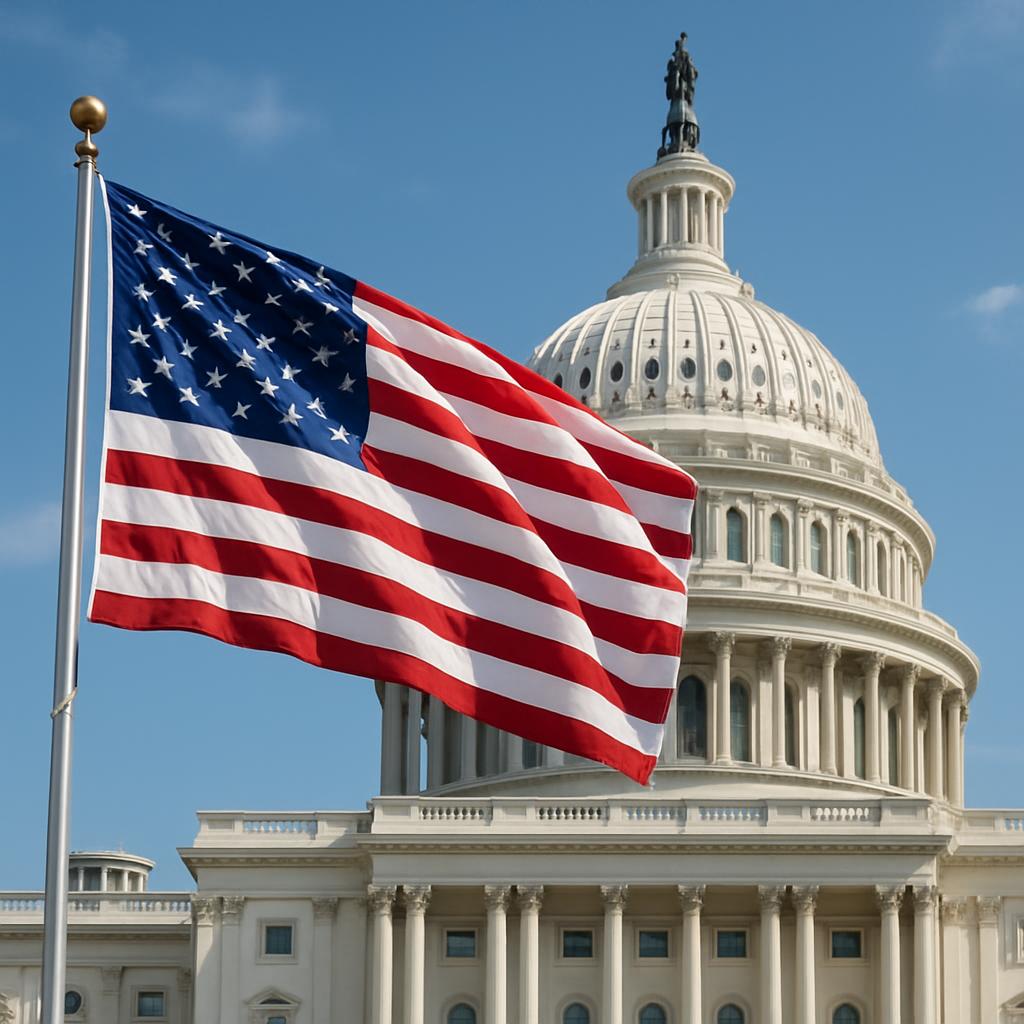
Blue evokes calmness, trust, and stability—qualities the Democratic Party seeks to project when discussing healthcare access, social equity, and economic fairness. The democrat color also connects visually to the American flag, allowing progressive messaging to feel both patriotic and forward-looking. In contrast to more aggressive hues, this measured tone aligns with the party’s emphasis on thoughtful governance and coalition-building.
\\n
- \\n
- Trust and reliability in public service
- Connection to national heritage
- Association with calm, reasoned debate
\\n
\\n
\\n
\\n
Usage in Campaigns and Digital Spaces
\\n
Modern campaigns rely heavily on the democrat color for instant recognition across social media, email, and merchandise. Consistent use helps voters immediately identify content aligned with liberal priorities. Graphic designers often pair the democrat color with clean typography and imagery of diverse communities to reinforce messages of inclusion and shared prosperity.
\\n
Impact on Broader Cultural Conversations
\\n
Beyond elections, the democrat color appears in advocacy for reproductive rights, LGBTQ+ protections, and racial justice initiatives. Its presence on protest signs and organizational logos creates visual continuity between electoral politics and grassroots movements. This sustained visibility strengthens the link between the party and the progressive values many supporters hold dear.
\\n
The Democrat Color in the Age of Social Media
The digital revolution has amplified the reach and significance of the democrat color in ways earlier generations could scarcely imagine. When political content spreads across Twitter, Instagram, TikTok, and Facebook, visual consistency becomes crucial for brand recognition and message penetration. Campaign managers now design entire digital strategies around the democrat color, ensuring that every shared image, video thumbnail, and profile banner reinforces party identity at a glance. This constant, ubiquitous presence in the feeds of millions of Americans has cemented the democrat color as perhaps the single most recognizable symbol of contemporary liberal politics.
Younger voters, in particular, have grown up in a media environment where the democrat color serves as a visual anchor for progressive causes and candidates. Social media influencers, nonprofit organizations, and grassroots activists leverage the democrat color to signal alignment with Democratic values, even when they are not directly affiliated with party infrastructure. This organic adoption by diverse actors across the progressive ecosystem demonstrates how thoroughly the color has integrated into the broader culture of American liberalism. The democrat color has transcended mere branding to become a genuine cultural marker—one that carries meaning and emotional resonance independent of any official party decree.
Regional Variations and the Democrat Color’s Evolving Palette
While the standard shade of blue remains the party’s primary visual identifier, regional campaigns and state-level organizations sometimes introduce subtle variations that reflect local political landscapes and demographic shifts. Some campaigns have experimented with deeper navy tones to evoke strength and stability, while others employ brighter, more electric blues to appeal to younger, more energized constituencies. These variations, though typically minor, reflect the reality that the democrat color is not entirely monolithic but rather adaptable to different contexts and audiences. Progressive candidates and organizations understand that the emotional and psychological impact of color can shift depending on application, background, and surrounding imagery.
Looking forward, the democrat color will likely continue to evolve as digital technology enables new creative possibilities and as generational preferences shift electoral dynamics. The party’s investment in data-driven design means that color psychology and visual marketing will become even more sophisticated. However, regardless of how the specific shade might change or adapt, the fundamental association between blue and Democratic values appears durable. The democrat color has become so thoroughly woven into the fabric of American political communication that it will almost certainly remain the visual cornerstone of progressive identity for decades to come, serving as an instantly recognizable symbol that binds together party leadership, campaign operatives, activists, and millions of ordinary citizens committed to advancing the democratic ideals the party claims to represent.
Sources
- \\n
- https://en.wikipedia.org/wiki/Political_colour
- https://www.britannica.com/topic/Democratic-Party
- https://www.washingtonpost.com/news/the-fix/wp/2016/11/14/the-history-behind-republican-red-and-democratic-blue/
- https://www.nytimes.com/2020/11/04/us/politics/election-colors-red-blue.html
- https://www.cnn.com/2020/11/03/politics/red-blue-states-history/index.html
\\n
\\n
\\n
\\n
\\n