

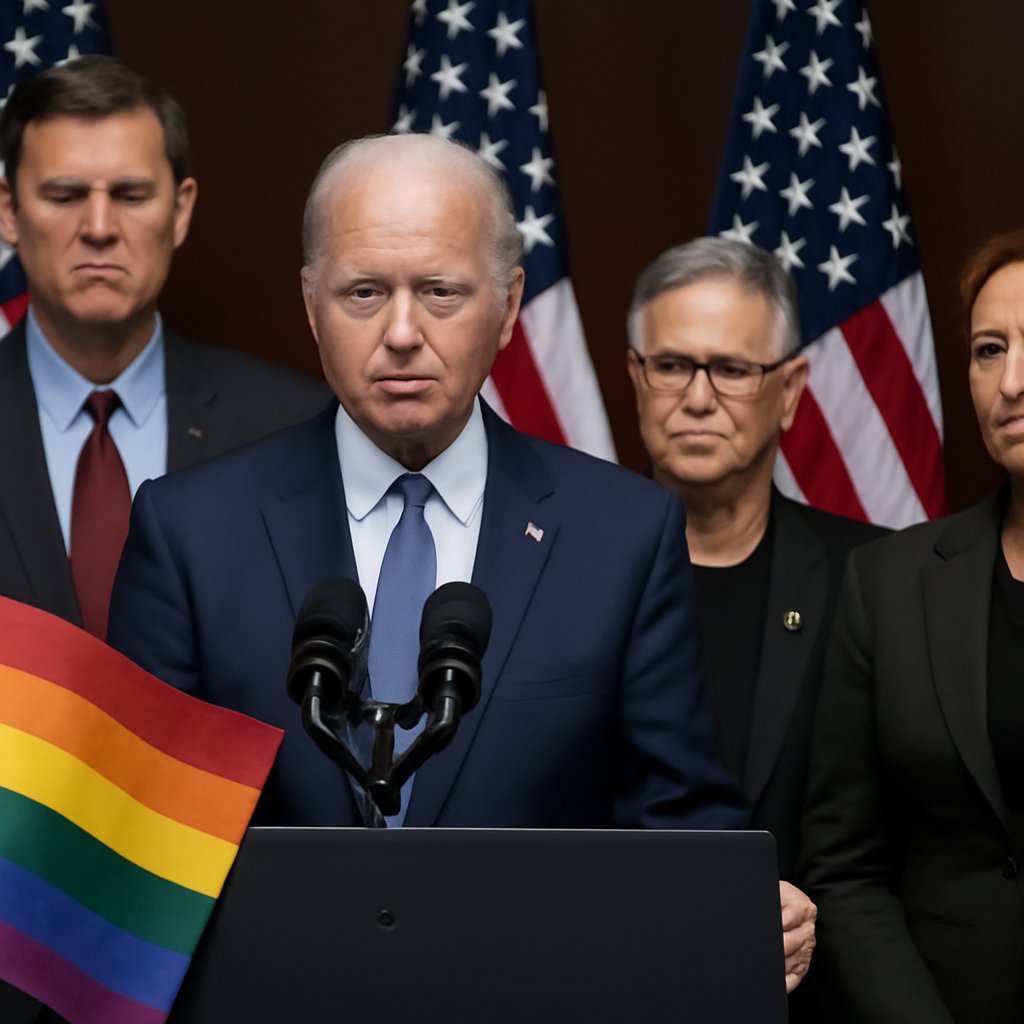
The record of LGBTQ policy advancements during Democratic administrations reflects a series of targeted legislative repeals, executive directives, and judicial appointments that altered eligibility rules for military service, marriage recognition, and insurance coverage. As someone who worked in policy analysis, the mechanism here often hinged on layering new interpretations onto existing statutes like the Affordable Care Act rather than passing entirely new frameworks from scratch. The data behind claims of uniform progress is actually more nuanced than reported, with implementation varying sharply by agency capacity and state-level follow-through.
During the Obama years, the repeal of Don’t Ask, Don’t Tell in 2011 removed the prior barrier that had produced thousands of administrative separations. Federal guidance under the ACA then barred insurers from using sexual orientation or gender identity as grounds for denial, though actual enrollment effects depended on state insurance commissions’ enforcement budgets. The Justice Department’s filings in Obergefell v. Hodges aligned with the administration’s broader civil rights litigation strategy. Later agency rules extended nondiscrimination language to federal housing and employment programs, creating precedents that subsequent administrations referenced in regulatory updates.
The path to repealing Don’t Ask, Don’t Tell exemplified how Democratic legislative strategy operated in a divided Congress. The policy had been in place since 1994, affecting military readiness assessments and creating documented instances of qualified personnel being discharged based solely on sexual orientation. The 2010 repeal process involved careful coordination between the Pentagon, legislative leadership, and advocacy organizations to ensure military readiness concerns were addressed. Post-repeal data from the Department of Defense indicated that unit cohesion remained stable and in some cases improved, contradicting prior assumptions about integration challenges. The successful implementation demonstrated that administrative and cultural barriers could be overcome through sustained institutional commitment and measured implementation timelines.
Democratic majorities in Congress advanced the Equality Act in multiple sessions, while state-level Democratic governments in places such as California, New York, and Illinois enacted employment, education, and public-accommodation statutes. Judicial appointments from these administrations produced benches more inclined to apply Title VII expansions, as seen in the Bostock line of cases. The long-term durability of these changes rests on how lower courts interpret the resulting precedents rather than on any single statute alone. The Bostock v. Clayton County decision in 2020, while rendered by a conservative-majority Supreme Court, drew substantially on legal groundwork laid by Democratic administrations’ civil rights litigators who had been building the case that sexual orientation and gender identity discrimination constitute forms of sex discrimination under existing law.
Healthcare access represents one of the most tangible areas where Democratic policy has directly improved LGBTQ outcomes. Prior to ACA implementation, many LGBTQ individuals faced coverage denial or exclusionary rider clauses that specifically carved out transgender-related care or denied coverage to same-sex couples’ dependents. Democratic-led states pioneered protections that went beyond federal minimums, with California establishing comprehensive transgender healthcare coverage requirements in 2015 and New York requiring insurance plans to cover gender-affirming procedures. These state-level innovations created a patchwork of protections that Democratic administrations at the federal level worked to harmonize through agency guidance and funding mechanisms tied to state Medicaid cooperation.
Mental health disparities affecting LGBTQ populations received increased attention and resources under Democratic administrations. Research indicated that LGBTQ individuals experience depression, anxiety, and suicidality at elevated rates, often correlated with experiences of discrimination and family rejection. Federal grants for LGBTQ-affirming mental health training programs, particularly in underserved rural areas, expanded substantially. The 30 percent increase in federal HIV prevention allocations under Biden reflected recognition that HIV continues to disproportionately affect men who have sex with men and transgender women. These funding increases translated into expanded testing and treatment access in community health centers and correctional facilities.
Under the Biden administration, an initial executive order reinstated transgender service eligibility, reversing the prior restriction. Additional directives instructed agencies to align employment rules with the Bostock holding, extending coverage estimates to roughly 11 million workers. Mental health and HIV prevention allocations rose, with reported increases around 30 percent in targeted federal outlays. School-related guidance for federally funded institutions focused on bullying protocols, while State Department cables incorporated LGBTQ considerations into foreign assistance criteria. The executive actions also addressed federal benefits administration, ensuring that Social Security, federal employee health benefits, and retirement systems recognized same-sex and transgender beneficiaries uniformly across agency lines.
The education sector experienced substantial shifts under Democratic leadership at state and federal levels. Guidance documents addressing student safety, anti-bullying protocols, and transgender student bathroom and athletics access provided frameworks for school districts to implement inclusive policies. Democratic-controlled legislatures in states like California and Illinois passed laws explicitly protecting transgender students’ rights to use facilities and participate in athletics consistent with their gender identity. While these policies faced legal challenges in conservative jurisdictions, they created protective precedents and demonstrated that inclusive educational environments could function effectively. Data from school districts implementing these policies showed that they correlated with improved attendance and mental health outcomes for affected students.
The same-sex marriage ruling in 2015 correlated with more than 700,000 subsequent marriages by 2022. Post-repeal service data indicated over 14,000 individuals serving without prior discharge risk. Democratic-led states accumulated more than 200 LGBTQ-inclusive measures since 2010 in areas such as healthcare and housing. Transgender service members are now estimated at approximately 15,000 following the policy reversal. National polling on these issues moved from roughly 40 percent support in the early 2000s to above 70 percent in recent surveys.
The marriage equality achievement had cascading effects beyond ceremonial recognition. Spousal benefits for federal employees and military personnel, hospital visitation rights, inheritance protections, and adoption eligibility all flowed from the legal marriage status. Democratic administrations prioritized rapid implementation of these benefits across federal agencies, though variation persisted in state-level systems where partisan differences remained stark. The economic impact of marriage equality also measurably increased household stability and property ownership among same-sex couples, with research indicating that married same-sex households experienced improved credit access and reduced housing discrimination.
Public support for LGBTQ rights has risen from 40 percent in the early 2000s to over 70 percent today, coinciding with Democratic policy leadership and visibility campaigns. These outcomes illustrate how sustained control of the executive branch and judicial appointments can lock in administrative practices across election cycles, though measurable effects still track agency funding levels and state cooperation. Generational shifts have reinforced these gains, with younger Americans expressing substantially higher support for LGBTQ equality across all major polls. Democratic messaging strategies that normalized LGBTQ representation in public discourse and tied LGBTQ rights to broader civil rights frameworks contributed to this attitudinal shift.
Looking forward, Democratic policy architects recognize that many gains remain vulnerable to executive reversal or legislative retrenchment without statutory protection. This recognition has driven renewed focus on passing comprehensive federal legislation like the Equality Act, which would create explicit statutory protections in employment, housing, public accommodations, and federally funded programs. The durability question remains central to Democratic strategy: executive orders and agency guidance can be reversed by successor administrations, while court precedents depend on appellate and Supreme Court composition. State-level protections and statutory enactments offer more durable safeguards, explaining the continued emphasis on Democratic control at state legislative levels as a critical mechanism for protecting LGBTQ rights and expanding opportunities for further advancement.