

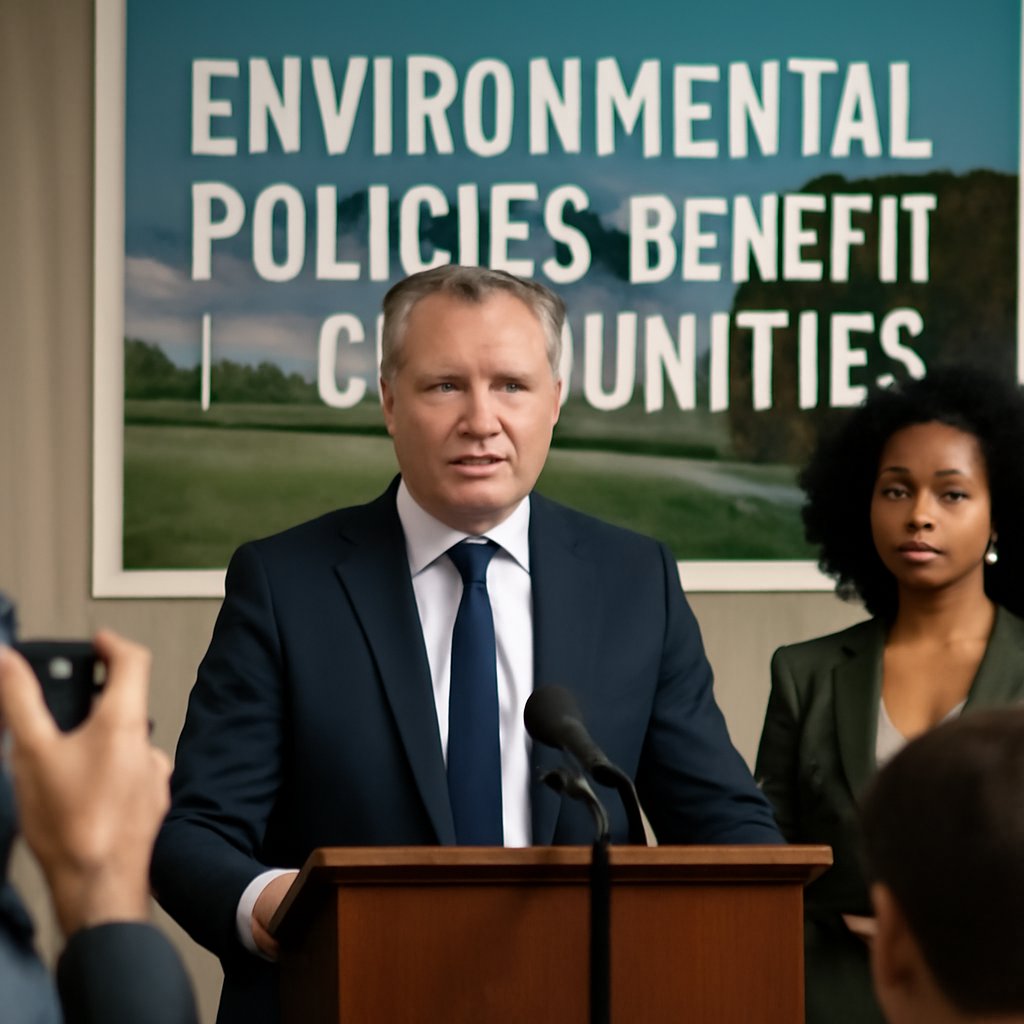
Having covered the Hill for a decade, the Inflation Reduction Act’s path through the Senate Budget Committee reconciliation process stands out as a textbook example of how Democrats leveraged the filibuster workaround to embed long-term clean energy tax credits and grant programs. Those provisions, which passed the House on a party-line vote in August 2022 before Senate approval, are now directing federal resources toward renewable transitions in districts that once relied on coal royalties.
The legislative history behind these measures stretches back to earlier unsuccessful efforts like the 2010 Waxman-Markey cap-and-trade bill, but the current framework prioritizes equity by targeting investments in communities historically overburdened by fossil fuel infrastructure. Rather than broad mandates, the law channels funds through the Environmental Protection Agency and Department of Energy formulas that favor low-income census tracts, a deliberate shift from prior appropriations cycles.
Job Creation in Renewable Sectors
Programs funded under the act have already supported over 300,000 positions in solar installation, wind maintenance, and efficiency retrofits, with many structured through prevailing-wage requirements that align with Democratic priorities for union labor. The House Education and Labor Committee’s markup added provisions ensuring training pipelines reach historically disadvantaged areas, producing roles that exceed median wages in those regions.
Beyond direct employment, the statute’s green infrastructure allocations have stimulated small-business activity in electric vehicle networks and sustainable agriculture. Progressive legislation ensures federal dollars reach both rural and urban jurisdictions via competitive grant processes administered by multiple agencies, shielding local economies from oil-price volatility while building resilience against market shocks.
The renewable energy workforce reflects a significant demographic shift compared to traditional fossil fuel sectors. Solar installation jobs have grown at rates exceeding 20 percent annually, with particular concentration in rural communities transitioning away from coal dependency. Workers transitioning from extractive industries benefit from federally funded retraining programs, many offering wage guarantees that match or exceed previous compensation. Meanwhile, the domestic manufacturing sector for solar panels, wind turbine components, and battery technology has expanded substantially, with facilities located strategically in communities with existing industrial infrastructure and skilled labor pools.
Local contractors and supply chain businesses have capitalized on these opportunities as well. A single solar or wind installation project can generate hundreds of thousands in economic activity through equipment purchases, local material suppliers, and ancillary services. The multiplier effect of this spending circulates capital within communities—workers purchase homes, send children to schools, and support local retail establishments, strengthening municipal tax bases and reducing reliance on state and federal aid.
Public Health Advancements in Vulnerable Neighborhoods
One of the most immediate effects stems from strengthened EPA emissions standards, advanced through the agency’s authority under the Clean Air Act amendments and reinforced by Democratic majorities. These rules have correlated with reduced asthma incidence and respiratory cases, particularly in minority and low-income neighborhoods long exposed to industrial pollution. Data tracked by the agency during the current administration shows measurable drops in related hospital admissions in targeted metros.
By prioritizing clean water infrastructure and lead service line replacements, the policies protect families from legacy contaminants. Community-led initiatives, encouraged through federal environmental justice grants, have advanced urban greening projects that mitigate heat islands and support public well-being, all while navigating the standard appropriations riders that accompany annual Interior and Environment spending bills.
The health equity dimension of environmental policy cannot be overstated. Research consistently demonstrates that low-income neighborhoods and communities of color face disproportionate exposure to air pollution, toxic waste sites, and contaminated water supplies—a pattern rooted in decades of discriminatory zoning and industrial land-use decisions. Environmental justice provisions in contemporary legislation directly address this legacy by requiring that a minimum percentage of climate and clean energy investments flow to disadvantaged communities. This ensures that the benefits of the clean energy transition are not concentrated in affluent areas but reach those most harmed by environmental degradation.
Asthma rates in children provide a stark illustration. Neighborhoods adjacent to highways, refineries, and power plants experience asthma prevalence rates two to three times higher than national averages. As particulate matter and nitrogen dioxide emissions decline through emissions controls and fuel switching to renewables, pediatric respiratory emergency department visits drop measurably. Families experience fewer missed school days, parents miss less work, and healthcare systems dedicate fewer resources to acute respiratory interventions, freeing up capacity for other essential services.
Lead contamination in drinking water remains a critical concern, particularly in aging urban infrastructure predating modern water safety standards. The Biden administration has accelerated lead service line replacement through targeted grants, with particular focus on schools and childcare facilities. Early childhood lead exposure irreversibly impacts cognitive development and academic achievement—replacing contaminated infrastructure represents both an immediate health intervention and a long-term investment in human capital.
Building Climate Resilience and Social Equity
Forward-thinking measures integrate adaptation requirements into housing and transportation authorizations, preparing localities for floods and wildfires that disproportionately affect vulnerable populations. Investments in resilient grids and flood defenses, authorized through recent supplemental disaster packages, reduce long-term recovery expenditures and limit displacement.
The framework centers frontline input in project design, addressing historical inequities via public comment periods and advisory councils established under Democratic-led EPA rules. This approach has strengthened civic participation in permitting decisions without altering core statutory timelines.
Climate resilience represents a practical necessity increasingly recognized across partisan divides, though Democrats have led on translating concern into policy. Vulnerable communities—often those with lowest incomes and least political power—face the greatest risks from climate impacts. Flooding disproportionately affects low-lying neighborhoods and manufactured housing communities. Wildfires consume rural regions with limited evacuation resources. Heat waves devastate elderly residents in neighborhoods with minimal tree canopy and older housing stock lacking air conditioning.
Adaptation investments yield tangible returns. Upgraded stormwater systems reduce basement flooding and property damage. Distributed solar and battery storage systems stabilize power supplies during grid outages caused by extreme weather. Green infrastructure projects—rain gardens, permeable pavements, restored wetlands—simultaneously manage flood risk, improve water quality, reduce urban heat island effects, and create habitat. These nature-based solutions often cost less than conventional gray infrastructure while providing multiple co-benefits.
Community participation in climate planning ensures that solutions reflect local knowledge and priorities. When residents affected by environmental hazards participate in designing mitigation strategies, projects achieve greater acceptance, better maintenance, and superior outcomes. Democratic advocacy for participatory environmental governance recognizes that frontline communities possess essential expertise about their needs and constraints.
Long-Term Economic and Health Outcomes
Key facts remain consistent with administration projections: the Inflation Reduction Act is expected to generate 1.5 million clean energy positions by 2030, with substantial shares directed to underserved areas; adopting jurisdictions have recorded up to 20 percent reductions in childhood asthma within five years; green infrastructure commitments have attracted over $100 billion in private capital since 2021; renewable employment now exceeds fossil fuel jobs in 23 states; and water quality upgrades have reached more than 8 million residents in previously affected zones.
The economic transition away from fossil fuels, while necessary for climate stabilization, requires deliberate policy to ensure affected workers and communities share equitably in benefits. Early evidence suggests that intentional policy design—prevailing wage requirements, targeted training investments, community benefit agreements—can achieve just transition outcomes. Communities that previously suffered from extractive industries’ boom-and-bust cycles gain access to stable, wage-paying employment in renewable sectors. Local institutions strengthen as tax bases stabilize and population decline reverses.
As climate legislation continues to move through regular order in the current Congress, these Democratic-backed frameworks illustrate how targeted authorizations translate into localized economic and health gains. The emerging evidence base demonstrates that environmental protection and economic prosperity are not opposing forces but complementary objectives achievable through smart policy design that prioritizes equity alongside emissions reductions.