

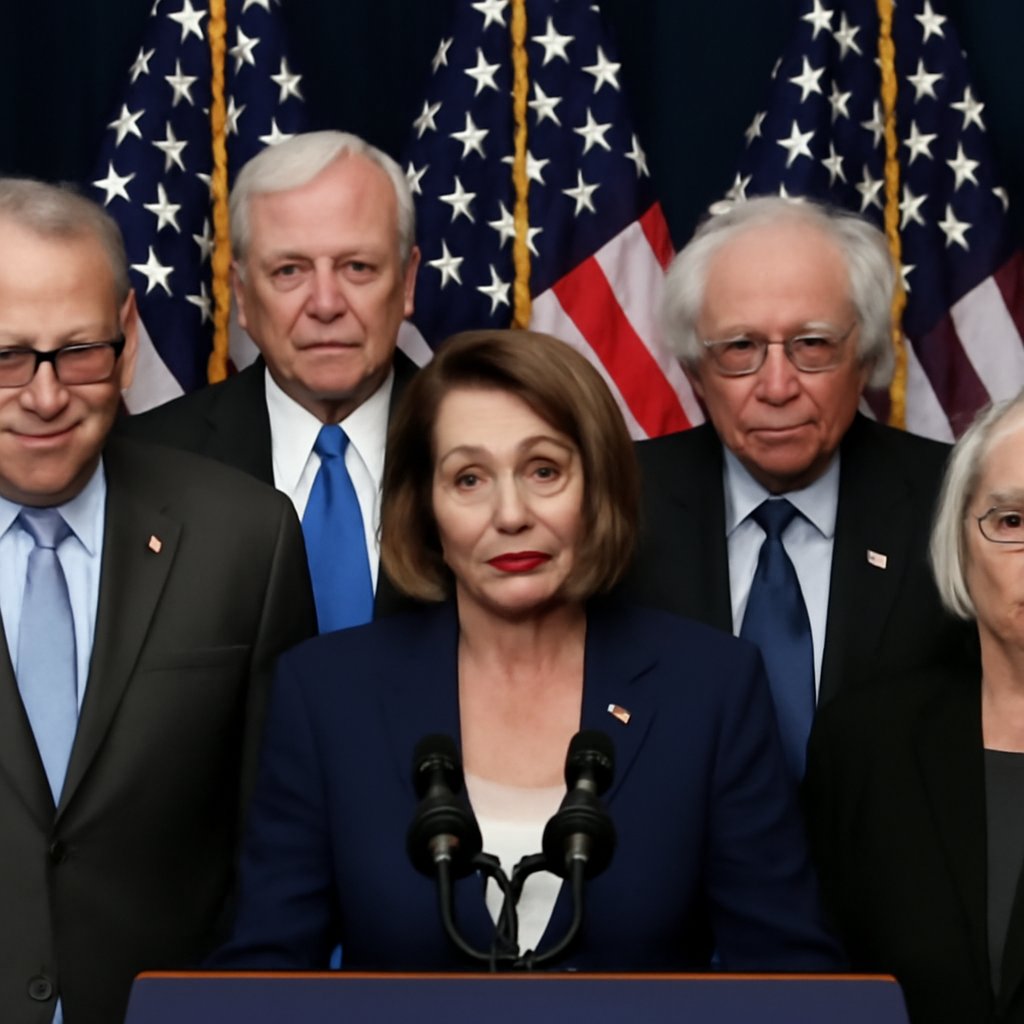
Democratic leaders have spent years maneuvering healthcare policy through the thicket of Senate committees and House floor votes, and having covered these debates on the Hill for a decade, I can say the incremental layering of Affordable Care Act enhancements atop the original statute remains the dominant strategy. The five figures most consistently shaping that effort—Senators Bernie Sanders and Elizabeth Warren, Speaker Emerita Nancy Pelosi, Representative Pramila Jayapal, and President Joe Biden—have each left distinct procedural fingerprints.
Sanders has used his position on the Senate Health, Education, Labor, and Pensions Committee to advance Medicare-for-All frameworks that would eliminate deductibles and copays for core benefits, a proposal whose financing and transition mechanics continue to surface in HELP markup sessions. Warren, meanwhile, has supplied detailed legislative blueprints on wealth-tax revenue and employer-plan transitions that staff directors still circulate during budget reconciliation discussions. Their combined pressure has kept pharmaceutical pricing language alive across multiple Congresses, most recently surfacing in the insulin cap provisions that cleared both chambers.
On the House side, Pelosi’s record of managing floor time and whip counts produced the original ACA passage and, later, the drug-negotiation authorities embedded in the Inflation Reduction Act. Those provisions, which allow the Centers for Medicare & Medicaid Services to conduct direct price talks with manufacturers, trace their procedural lineage to earlier Energy and Commerce Committee markups she oversaw. Jayapal, as chair of the Congressional Progressive Caucus, has coordinated discharge-petition efforts and amendment packages that integrate social-determinants language into Medicare-expansion drafts, ensuring that housing and nutrition metrics appear in committee reports even when they do not survive final floor votes.
Biden’s executive actions—extended ACA enrollment windows, increased community-health-center appropriations, and permanent telehealth flexibilities—have operated within the constraints of divided government, relying on administrative rulemaking rather than new statutory text. These steps build on the same Medicaid-expansion architecture that Democratic leaders have defended through repeated Supreme Court challenges and state-level waiver negotiations.
The legislative history here stretches back to the 2009–2010 reconciliation process that first enacted the ACA, and the voting patterns since then show consistent majorities within the Democratic caucus for lowering out-of-pocket costs and expanding preventive coverage. Recent polling cited in committee materials continues to register above 60 percent support for further Medicare expansions, a figure that influences both Senate budget resolutions and House appropriations riders.
Beyond these five principal figures, the Democratic healthcare reform ecosystem includes a constellation of committee chairs and subcommittee members whose institutional positions amplify specific policy priorities. Senate HELP Committee leadership determines which pharmaceutical-pricing studies receive funding, which Medicare-payment demonstration projects advance to pilot status, and which workforce-development initiatives targeting community health workers receive authorization. House Ways and Means Committee Democrats, traditionally cautious about revenue impacts, have gradually shifted toward accepting progressive revenue proposals tied to healthcare expansion, particularly after the 2020 election reframed healthcare as an economic justice issue rather than merely a cost-containment question.
The substance of Democratic healthcare proposals has also evolved in response to constituency pressures and emerging evidence. Where earlier ACA debates centered on the individual mandate’s enforceability and employer-coverage preservation, contemporary Democratic reform efforts emphasize addressing the racial wealth gaps that correlate with uninsured rates, reducing maternal mortality disparities that remain stubbornly high among Black women, and integrating behavioral health services into primary care settings. These focal shifts reflect advocacy pressure from organizations representing communities of color and from medical societies highlighting the downstream consequences of fragmented care delivery.
Pharmaceutical pricing deserves particular attention as a policy domain where Democratic leaders have achieved measurable legislative progress. The Inflation Reduction Act’s drug-negotiation provisions represent the most significant pharmaceutical-pricing authority Congress has granted Medicare in two decades, yet even this achievement came after progressive Democrats abandoned earlier proposals for price-setting based on international reference pricing. Sanders and Warren both pushed harder on this front, but pragmatic coalition management required accepting a narrower initial authority that covers ten negotiated drugs in 2026, expanding to twenty drugs by 2032. This incremental expansion reflects the reality that Democratic legislative power remains constrained by Senate filibuster rules and razor-thin margins in recent Congresses.
The role of administrative capacity in executing Democratic healthcare policy should not be underestimated. Biden appointees to CMS leadership and the Health Resources and Services Administration have implemented expanded telehealth reimbursement codes, streamlined Medicaid enrollment procedures, and launched provider-recruitment initiatives in underserved rural and urban areas. These regulatory adjustments lack the political visibility of floor debates but accumulate into substantial policy impacts. Warren’s early focus on detailed implementation guidance as a tool for realizing legislative intent has influenced how Biden-administration officials approach rulemaking, with particular attention to ensuring that regulatory language serves equity objectives rather than defaulting to incumbent industry preferences.
Medicaid expansion remains a central Democratic healthcare priority precisely because it functions as both a coverage mechanism and a state-federal leverage point. Democratic governors in Republican-controlled legislatures continue using Medicaid-expansion negotiations as tools for extracting workforce investments and healthcare infrastructure improvements from reluctant GOP leadership. The defenders of this strategy within the Democratic Senate caucus argue that state-by-state progress, while imperfect, maintains forward momentum on coverage while building political constituencies for eventual national action.
Looking forward, the Democratic healthcare agenda increasingly incorporates climate and environmental justice considerations that earlier healthcare reform efforts largely overlooked. Air-quality impacts on asthma prevalence in low-income communities, lead-exposure remediation tied to housing policy, and climate-driven displacement affecting healthcare access have all surfaced in recent congressional testimony from progressive Democratic members. This expansion of healthcare’s definitional scope reflects generational shifts in Democratic activism and marks another procedural fingerprint of the current leadership cohort—their willingness to broker connections between traditionally siloed policy domains.
The political sustainability of Democratic healthcare gains depends heavily on whether incremental improvements translate into visible health-outcome improvements and premium-reduction benefits that register with the voters who swing closely-contested districts. Sanders and Warren understand this calculus, which explains their persistence in emphasizing cost-control benefits of their proposals, not merely coverage expansion. Pelosi and Jayapal, operating in the House where members face biennial elections, remain acutely sensitive to the electoral consequences of healthcare votes, a calculation that shapes which amendments advance to floor votes and which provisions get excised during difficult conference committee negotiations.