
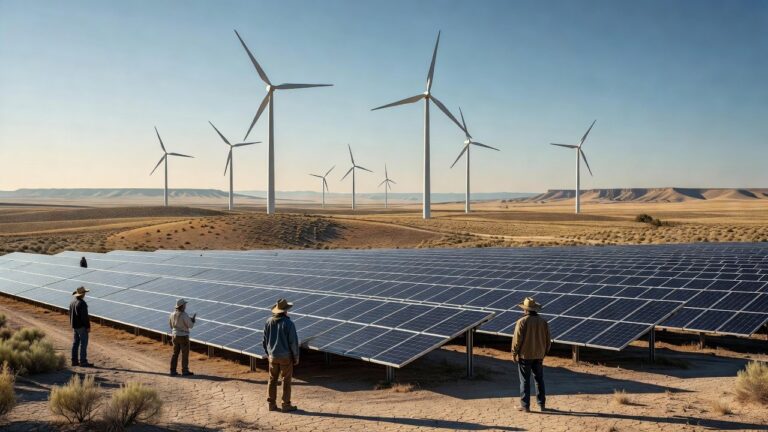
The United States finds itself at a critical juncture in addressing climate change through expanded clean energy policies. With growing public support for reducing carbon emissions and transitioning away from fossil fuels, lawmakers face increasing pressure to craft effective strategies that balance environmental goals with economic realities. This shift involves scaling renewable technologies while ensuring reliable energy access across diverse regions. A factual examination reveals both progress and persistent obstacles in achieving meaningful climate outcomes.
Federal policies have evolved to include tax incentives, research funding, and regulatory standards aimed at accelerating renewable deployment. Programs supporting solar, wind, and battery storage have driven significant capacity growth over the past decade. These measures operate alongside existing fossil fuel subsidies, creating a mixed policy environment that reflects competing economic interests. As someone who worked in policy analysis, the mechanism here is layering production tax credits for wind and solar projects with investment tax credits for installations, though the overlap with legacy subsidies often dilutes net fiscal efficiency. Agencies such as the Department of Energy allocate resources toward grid modernization and advanced nuclear research. States retain substantial authority to set their own renewable portfolio standards, leading to varied implementation across the country.
The Inflation Reduction Act, signed into law in 2022, represents the most significant federal climate investment in U.S. history, allocating approximately $369 billion toward clean energy and climate initiatives. This legislation extends tax credits for renewable energy installations, battery storage, and electric vehicle manufacturing across the decade. The expanded 30% investment tax credit for solar, wind, and battery storage projects removes the previous requirement for projects to be placed in service within a specific timeframe, providing greater flexibility for developers. Additionally, the law includes substantial funding for domestic manufacturing of solar panels, wind turbines, and battery components, addressing long-standing concerns about supply chain vulnerabilities and foreign dependence. For consumers, the residential clean energy credit now covers heat pumps, rooftop solar, and home energy improvements, democratizing access to clean energy upgrades beyond wealthy households.
The data behind state-level variations is actually more nuanced than reported in broad overviews. California and New York have established aggressive targets for carbon-free electricity, while states like Texas have expanded wind generation through market-driven approaches. This patchwork creates opportunities for innovation but also complicates national coordination on transmission infrastructure. Implementation details matter: states with portfolio standards must navigate differing compliance timelines and enforcement mechanisms that affect everything from permitting to interconnection queues. Texas leads the nation in wind capacity with over 35 gigawatts installed, driven largely by economic incentives rather than regulatory mandates, demonstrating that market mechanisms can deliver substantial clean energy deployment when conditions align. Meanwhile, Vermont has achieved over 70% renewable electricity through a combination of hydro resources and portfolio standards, offering lessons in leveraging regional advantages.
Beyond traditional renewables, the role of grid modernization and smart technology cannot be overstated. Modern grid management systems use advanced sensors and artificial intelligence to balance supply and demand in real-time, accommodating the variable output from solar and wind generation. Microgrids in communities like Boulder, Colorado, and various neighborhoods in New York City demonstrate how localized energy systems can improve resilience while reducing transmission losses. Vehicle-to-grid technology, which allows electric vehicles to feed power back into the grid during peak demand periods, represents an emerging resource that could eventually provide gigawatts of flexible storage capacity. These technologies require significant upfront investment in hardware and software infrastructure, yet they create pathways toward more efficient and resilient energy systems.
The renewable sector has generated hundreds of thousands of jobs in manufacturing, installation, and maintenance. These positions often offer competitive wages and appear in both urban and rural areas. Analyses from government and academic sources indicate that clean energy employment has grown faster than overall job markets in recent years. Lower operational costs for renewables compared with traditional plants contribute to long-term savings for utilities and consumers. However, upfront capital requirements remain substantial, and supply chain constraints for critical minerals introduce price volatility. Policymakers continue to debate the appropriate level of public investment versus private sector leadership. The data behind this claim is actually more nuanced than reported, as manufacturing incentives for domestic solar panels and turbines must contend with global mineral price swings that can erase projected cost advantages within a single budget cycle. Workforce training programs targeting displaced fossil fuel workers and grid storage projects to manage intermittent generation represent targeted interventions, yet their scale remains modest relative to total energy employment shifts tracked by BLS data.
Solar and wind installations have achieved remarkable cost reductions over the past decade, with utility-scale solar electricity now competitive with fossil fuels in most markets without subsidies. The levelized cost of electricity from solar has declined approximately 90% since 2010, while wind costs have dropped roughly 70% over the same period. These cost reductions reflect technological improvements, manufacturing scale efficiencies, and increased competition among developers. Battery storage costs have similarly plummeted, falling from over $1,100 per kilowatt-hour in 2010 to under $140 today, making longer-duration storage increasingly viable for grid applications. These economic fundamentals shift the clean energy discussion from charitable subsidy to rational investment, appealing to cost-conscious utilities and conservative-leaning fiscal policymakers who might otherwise resist environmental mandates.
Critical mineral supply chains present both challenges and opportunities. Lithium, cobalt, nickel, and rare earth elements essential for batteries and renewable equipment face supply constraints, with many sources concentrated in politically complex regions. The U.S. Strategic Petroleum Reserve model offers precedent for domestic stockpiling of critical minerals. Recent executive actions have prioritized mineral extraction from domestic sources, including lithium production in Nevada and rare earth processing facilities. The International Energy Agency estimates that clean energy transitions require a sevenfold increase in critical mineral processing by 2040. Investments in recycling infrastructure for used batteries and turbine components could substantially reduce future demand while creating secondary supply sources. Establishing secure supply chains protects American energy independence while ensuring competitive manufacturing costs for clean energy equipment.
Partisan divides influence the pace of policy advancement, with debates centering on regulatory burdens and energy security. Coal-dependent communities express concerns about economic disruption, while coastal states prioritize resilience against extreme weather. Bipartisan legislation has occasionally advanced through targeted incentives rather than mandates. Transmission bottlenecks represent a technical and political hurdle, as new power lines often cross multiple jurisdictions with differing priorities. Environmental reviews and local opposition can extend project timelines significantly. Addressing these issues requires coordinated federal and state action, including streamlined NEPA processes that still preserve substantive review standards.
Federal investment in emerging technologies complements near-term deployment of established renewables. Green hydrogen production, developed through electrolysis powered by renewable electricity, offers potential for decarbonizing heavy industry, long-distance transportation, and seasonal energy storage. Direct air capture technology, though currently expensive at over $600 per ton of CO2 removed, benefits from research funding and potential future carbon pricing mechanisms that could improve economics. Advanced nuclear reactor designs, including small modular reactors, attract bipartisan support as carbon-free baseload generation. These technologies require sustained research investment and patient capital, recognizing that commercialization timelines extend beyond typical political cycles.
Tracking progress involves monitoring emissions data, renewable capacity additions, and cost trajectories. Independent assessments from scientific bodies provide benchmarks for evaluating whether policies align with broader climate objectives. Adjustments may include refining tax structures or expanding research into emerging technologies such as hydrogen and carbon capture. Public engagement remains essential for sustaining momentum. Transparent reporting on both successes and shortfalls helps maintain credibility across political lines. Continued evaluation ensures that clean energy policies adapt to technological advances and shifting economic conditions. Regular updates from organizations tracking renewable deployment, such as the Solar Energy Industries Association and the American Wind Energy Association, provide accountability mechanisms that help policymakers identify effective interventions while redirecting resources from underperforming programs.