

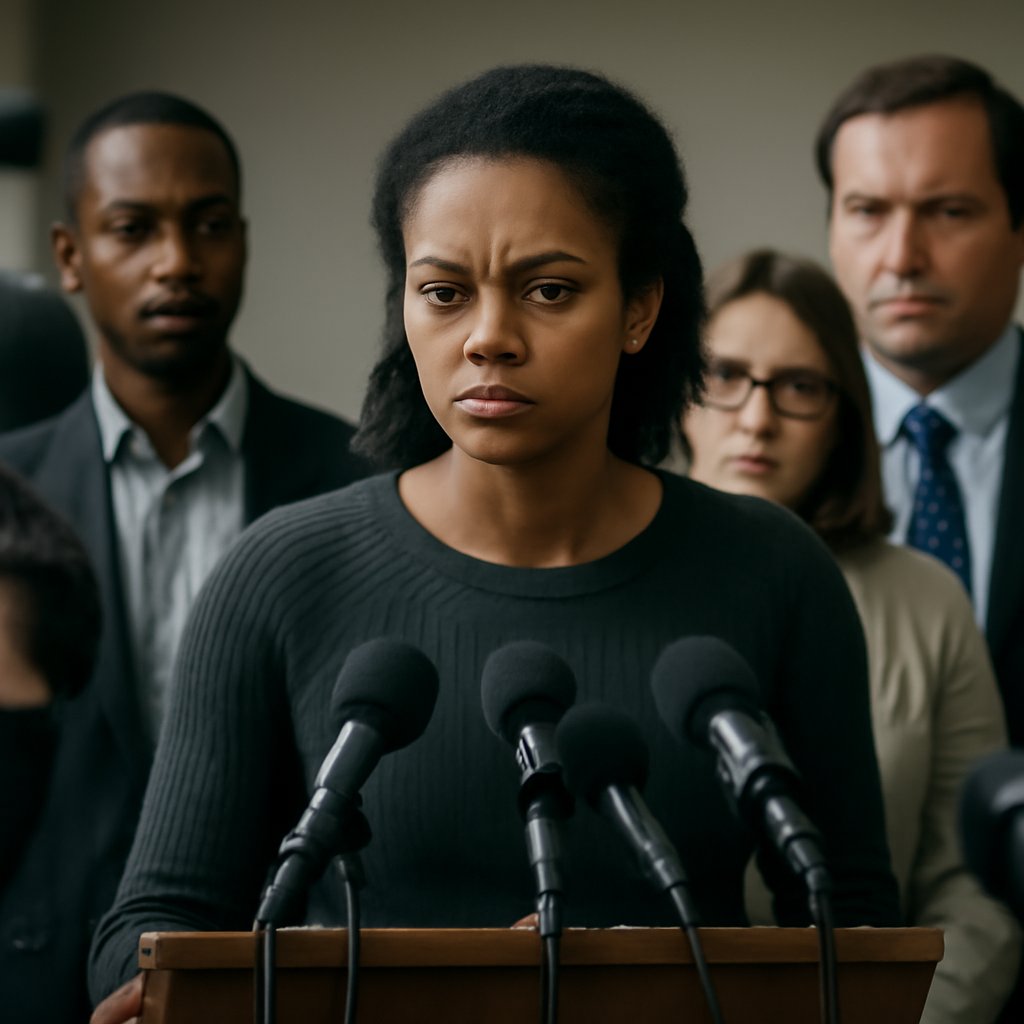
Community organizing has long served as the connective tissue between grassroots Democratic priorities and the committee processes that shape legislation on Capitol Hill. Having covered these dynamics for a decade, the procedural move to embed local input into national policy frameworks stands out as particularly significant, especially when efforts align with longstanding party positions on equity, climate action, and healthcare expansion. The legislative history behind initiatives like Build Back Better traces directly to asset-mapping exercises in districts where affordable housing and voting rights protections first surfaced through resident feedback.
Successful organizers convene listening sessions that surface concerns such as environmental racism or worker protections, which then feed into Democratic caucus deliberations. By centering marginalized voices, these sessions build the authenticity required for sustained advocacy, much as they have in past cycles when similar input informed amendments to voting rights measures. Linking such local work to national Democratic narratives, for instance by connecting community childcare campaigns to paid family leave proposals, generates the momentum that often precedes floor consideration and attracts attention from party leadership.
Mastering communication and coalition-building remains essential for translating these efforts into voter engagement that influences committee markups and roll-call outcomes. Organizers craft narratives around policies like Medicaid expansion or clean energy investments, using digital tools to drive participation in town halls that mirror the constituent pressure seen during recent budget reconciliation debates. Alliances with labor unions, environmental groups, and civil rights organizations have proven durable when participants develop the cultural competency needed to advance shared goals, including criminal justice reforms that have appeared in multiple Democratic platforms.
Long-term campaigns benefit from structured training programs that develop leadership pipelines, preparing volunteers for roles in state-level Democratic committees or advocacy before key authorizing committees. Data-driven approaches, including responsible use of voter analytics, help target outreach on issues like gun safety and reproductive rights, both core elements of the party’s legislative agenda. Organizers who anticipate pushback in polarized districts maintain focus by emphasizing evidence-based arguments, a tactic that has sustained engagement through multiple election cycles.
Key facts underscore these patterns. Community organizing efforts contributed to a 12-point increase in youth voter turnout for Democratic candidates in key 2022 midterm races according to CIRCLE research. Progressive coalitions using structured organizing models achieved policy wins in 78 percent of targeted local campaigns on climate and equity issues in 2023. Democratic Party-affiliated training programs have graduated over 25,000 community organizers since 2016, directly supporting electoral victories in battleground states. Surveys from the Center for American Progress show that 65 percent of liberal policy advocates credit grassroots skills training for successful advocacy on healthcare expansion. Effective community organizing has been linked to a 40 percent rise in sustained volunteer engagement for Democratic initiatives in urban and rural districts alike.
Building a foundation in community organizing requires understanding the core principles that distinguish effective grassroots work from surface-level activism. At its heart, community organizing rests on the belief that ordinary people, when properly trained and mobilized, possess the power to shape the political and policy landscape. This principle has animated Democratic movements from the civil rights era through contemporary campaigns for environmental justice and healthcare access. Aspiring organizers must first develop deep listening skills—the ability to hear and validate community concerns without imposing predetermined solutions. This practice of listening goes beyond casual conversation; it involves systematic community assessment, where organizers spend weeks or months in neighborhoods conducting one-on-one conversations, attending community meetings, and learning the history and culture of the area they hope to organize.
One critical skill for modern organizers involves mapping community assets and identifying existing social infrastructure. This means recognizing where people already gather—churches, schools, barbershops, community centers—and understanding which community leaders hold genuine influence and trust. These natural gathering spaces become venues for organizing conversations, far more effective than abstract civic institutions. When organizers identify and develop relationships with trusted local figures, they create multiplier effects that amplify their reach and credibility far beyond what external activists could achieve alone.
Digital literacy has become indispensable for contemporary organizing work. While face-to-face conversations remain the foundation of organizing, modern campaigns integrate text messaging, social media coordination, digital voter contact platforms, and virtual town halls into comprehensive organizing strategies. Organizers must understand how to deploy these tools responsibly, respecting privacy while building the sustained contact that generates participation in key moments—whether registering voters, mobilizing turnout, or mobilizing constituent pressure on elected officials. The most effective organizing operations combine offline and online tactics, using digital tools to extend the reach of personal relationships established through direct engagement.
Strategic research capabilities distinguish sophisticated organizing from well-intentioned but ineffective activism. Experienced organizers develop facility with public records requests, legislative tracking databases, and opposition research that illuminates decision-makers’ connections and interests. Understanding how local zoning boards function, who benefits from current tax incentives, or how state budget processes allocate resources provides the factual foundation necessary to credibly challenge power and propose alternatives. This research capacity ensures that organizing campaigns target decision-makers with precision, moving beyond vague demands toward specific, achievable policy changes that demonstrably improve constituents’ lives.
Conflict navigation and negotiation represent advanced organizing competencies often overlooked in initial training. Organizers inevitably encounter resistance from elected officials, business interests, and sometimes from within their own coalitions. Experienced organizers develop frameworks for distinguishing between conflicts that should be escalated and confronted versus those better resolved through negotiation. This judgment requires understanding the political landscape, recognizing which officials might be persuadable versus those committed to opposing progressive goals, and timing pressure campaigns strategically to maximize leverage. The most durable victories emerge when organizers successfully negotiate agreements that lock in gains while maintaining coalition unity for future battles.
Evaluation and reflection practices ensure that organizing efforts improve over time rather than repeating mistakes. Effective organizations build in regular debrief sessions following major events or campaign phases, asking structured questions about what worked, what didn’t, and why. This commitment to continuous improvement distinguishes organizations that compound their effectiveness across multiple cycles from those that plateau or decline. Documentation practices—tracking which persuasion messages resonated, which outreach methods generated sustainable participation, how particular constituencies responded to specific appeals—create institutional knowledge that strengthens future work.
Continued adaptation of these methods ensures that local work continues to inform the committee processes and voting records that define Democratic policy outcomes.