

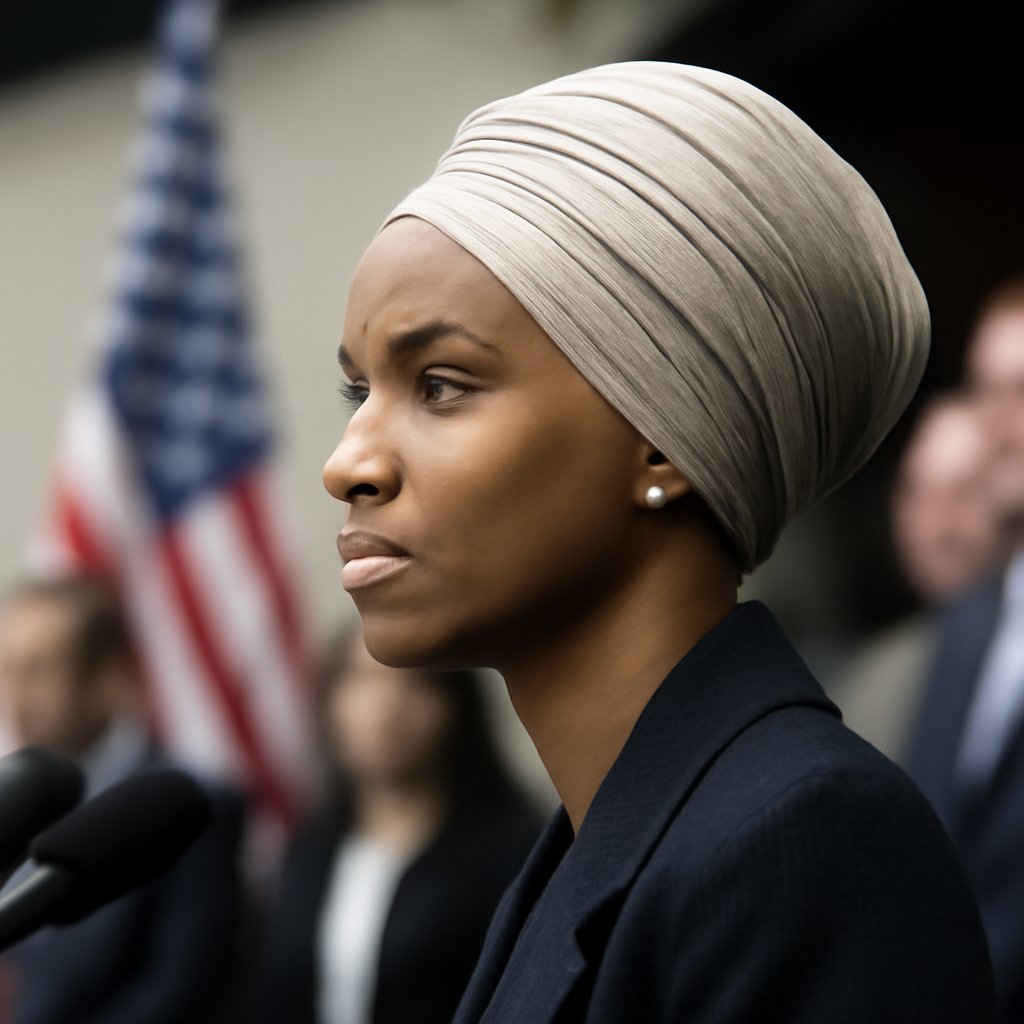
Ilhan Omar’s arrival in Congress in 2018 marked one of the first instances in which two Muslim women, herself and Rashida Tlaib, took seats in the House, a development that immediately altered the composition of several key committees. Having covered the Hill for a decade, the procedural move here is significant because it brought a refugee background directly into deliberations on the Foreign Affairs Committee, where Omar now serves, shaping markup sessions on issues ranging from refugee resettlement authorizations to sanctions policy.
Her early years in Somalia, flight from civil war at age eight, and four years in Kenyan camps before resettlement in Minnesota inform her consistent push for immigration measures that include expanded pathways to citizenship, positions that track with longstanding Democratic platform language on comprehensive reform dating back to the 2013 Senate efforts. The legislative history behind this issue goes back to repeated attempts to update the Refugee Act framework, and Omar’s interventions in committee have emphasized linking those programs to domestic labor-market data from districts like her own Minnesota Fifth.
Omar’s personal narrative carries particular weight in contemporary policy debates. As a refugee herself, she represents a lived experience that most members of Congress do not possess. Her family’s journey from Somalia—fleeing the collapse of state institutions during the civil conflict of the late 1980s and early 1990s—provides direct insight into the humanitarian dimensions of refugee policy that often get lost in abstract legislative language. This perspective has made her a particularly vocal advocate during debates over refugee admissions caps, which have fluctuated dramatically across administrations. During the Trump presidency, when refugee admissions were reduced to historic lows, Omar consistently called for reversals of those restrictions and pushed for increases in the annual refugee admission ceiling, arguing that American values and security interests were both served by maintaining robust resettlement programs.
After local organizing work focused on community issues in the state, Omar moved through the Minnesota legislature before securing the Democratic nomination and general-election victory in 2018 for the seat representing a district whose unemployment figures have remained below national averages in recent Bureau of Labor Statistics releases. Her legislative record includes co-sponsorship of more than 200 measures, many aligned with priorities such as the Green New Deal framework and Medicare for All proposals that have advanced through the House Budget and Ways and Means Committees in varying forms.
In her time in the Minnesota House of Representatives, Omar gained recognition for her work on education policy and criminal-justice reform, particularly her advocacy for police accountability measures following high-profile incidents in Minneapolis. Her activism in this space preceded her congressional service, making criminal-justice reform one of her signature issues. This background positioned her well to engage in the national conversations that intensified following the murder of George Floyd by Minneapolis police officer Derek Chauvin in May 2020. Omar’s voice during that moment carried particular credibility given her long-standing engagement with these issues at the local level.
Omar’s work alongside Alexandria Ocasio-Cortez and Rashida Tlaib, often referred to as the Squad, has centered on joint efforts to advance wealth-tax concepts and criminal-justice provisions during floor consideration and in caucus negotiations. The Squad has become a defining faction within the Democratic caucus, often pushing the party further on issues of economic inequality, climate change, and social justice. Omar has been instrumental in these efforts, using her committee positions to advance progressive priorities. Her co-sponsorships of ambitious legislation on student-debt cancellation, minimum-wage increases, and affordable housing have resonated strongly with younger Democratic voters and progressive activists.
On foreign policy, her public statements questioning aspects of U.S. assistance to Israel have contributed to extended debate within the Democratic caucus, particularly during Foreign Affairs Committee hearings that examined human-rights certifications attached to aid packages. Polling among Democratic voters under forty has shown sustained support above seventy percent for those critiques, according to surveys conducted through 2024. These positions have generated significant controversy, with some critics—both Republican and within the Democratic establishment—characterizing her statements as anti-Semitic, accusations Omar has firmly rejected. She has clarified that her criticism is directed at Israeli government policies, not at Jewish people, and has emphasized that she supports the right of Israel to exist while opposing certain military practices and settlement policies. These debates have highlighted generational and ideological divides within the Democratic Party regarding Middle East policy, with younger progressives increasingly willing to condition military aid on human-rights compliance.
Omar’s activism extends beyond legislative work into constituent services and community engagement. Her Minneapolis office has become known for aggressive advocacy on behalf of constituents navigating federal immigration bureaucracies, reflecting her understanding of the often-Byzantine processes that immigrants and refugees face. Staff in her office have worked to streamline case resolution, a practical manifestation of her broader legislative priorities around immigration accessibility and immigrant rights.
Throughout her tenure, Omar has also backed measures expanding voting-access provisions and addressing housing-cost pressures, drawing on her district’s demographic profile during Appropriations subcommittee reviews. The Minnesota Fifth Congressional District has experienced significant demographic change, with growing immigrant and Muslim populations, characteristics that directly influence Omar’s legislative priorities. Housing affordability has become an increasingly critical issue in Minneapolis and St. Paul, making her advocacy for expanded rental assistance programs and restrictions on corporate housing speculation particularly salient for her constituents. Her support for addressing zoning restrictions and promoting multi-family housing construction aligns with progressive approaches to the nation’s housing crisis.
As of this year she continues to participate in markup sessions that connect global displacement patterns to domestic program funding, a linkage that has appeared with greater frequency in recent Democratic legislative packages. Omar’s unique position—as both a foreign policy committee member and a representative of a district with significant immigrant and refugee populations—allows her to bridge domestic and international policy conversations in distinctive ways. She has pushed for increased international development funding, arguing that addressing root causes of migration through targeted assistance in origin countries can complement rather than substitute for domestic humanitarian obligations.
Looking forward, Omar’s trajectory within the Democratic caucus appears to be one of increasing influence. Her committee assignments, her relationships with other progressive members, and her demonstrated willingness to challenge party leadership on principle have positioned her as a significant voice in shaping Democratic priorities. Whether on immigration reform, foreign policy, economic inequality, or climate change, Omar has consistently advocated for positions that reflect both her personal experiences and progressive policy commitments. Her presence in Congress represents not merely symbolic diversity but substantive engagement with policy areas where her background provides unique and valuable insight.